
Luxury Brands Begin Selling Hyper Personalized Fragrances Made From Client DNA Profiles
By
Maya K.
Last updated:
May 17, 2026
First Published:
May 17, 2026


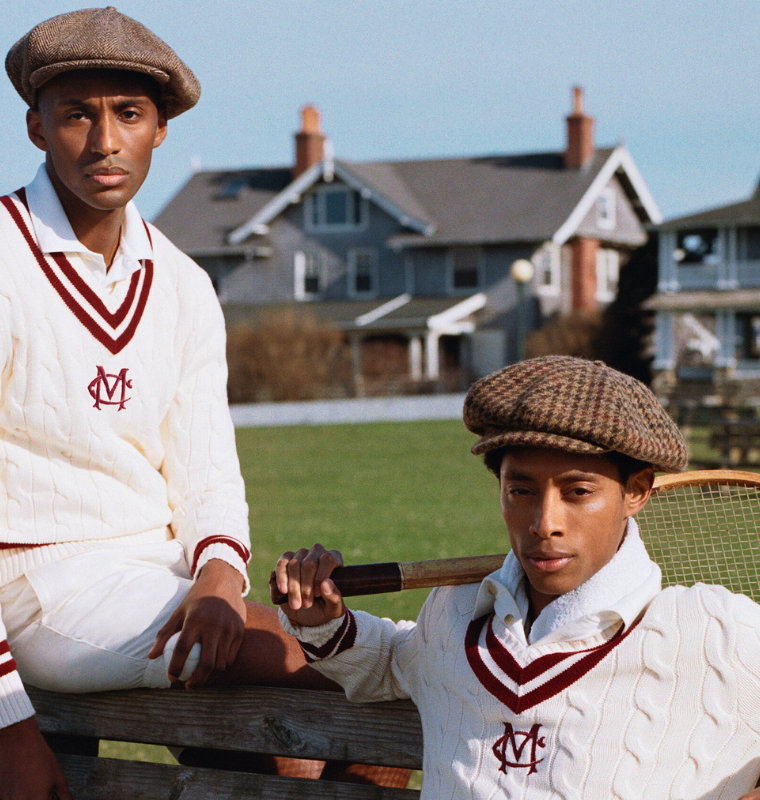
Photo: Maison de L'Asie
A New Frontier in Luxury Personalization
In 2026, luxury fragrance houses are pushing personalization into an entirely new dimension. Hyper personalized perfumes created using client DNA profiles are emerging as one of the most exclusive offerings in the global luxury market. This is no longer about choosing a scent from a catalog. It is about building a fragrance that is biologically and emotionally aligned with an individual.
These perfumes are designed through a combination of genetic data analysis, biometric insights, and advanced scent engineering. The result is a fragrance that is marketed as uniquely tied to a person’s identity at a molecular level.
How DNA Based Fragrance Creation Works
The process begins with voluntary genetic sampling provided by the client. Luxury brands then analyze selected biological markers that are believed to influence scent perception, skin chemistry, and even emotional response to fragrance compounds.
Using this data, perfumers collaborate with computational chemistry systems to design scent structures that complement the client’s natural body chemistry. The goal is not just pleasant aroma but enhanced compatibility with how the fragrance evolves on the skin over time.
Each formula is carefully adjusted and refined through multiple private testing sessions until a final signature scent is created.
Why Ultra Wealthy Clients Are Drawn to Hyper Personalization
For ultra wealthy individuals, personalization has become the highest form of luxury. Standard luxury goods are no longer enough to signal exclusivity. Instead, clients are seeking products that cannot exist outside their own identity.
A DNA based fragrance offers something traditional luxury cannot. It is not just rare or expensive. It is fundamentally unique. No other person can replicate it because it is partially derived from biological information that belongs to the individual alone.
This level of exclusivity transforms perfume from a fashion accessory into a deeply personal signature.
The Role of Science in Modern Perfumery
Luxury fragrance houses are increasingly collaborating with genetic researchers, neuroscientists, and bioinformatics specialists. These partnerships allow brands to explore how scent interacts with memory, emotion, and biological response.
Advanced modeling tools simulate how different fragrance molecules behave on individual skin types. This scientific approach enables perfumers to predict how a scent will evolve over hours rather than relying solely on traditional trial and error methods.
The blending of science and artistry has elevated perfumery into a highly technical luxury discipline.
Exclusivity Through Limited Client Access
These DNA based fragrance programs are not widely available. In many cases, they are offered only to a small group of high net worth clients who are personally invited by luxury houses. The process often involves private consultations held in flagship boutiques or dedicated fragrance ateliers.
Some brands limit the number of clients they accept each year to maintain exclusivity. This controlled access reinforces the perception that these fragrances are not commercial products but private creations.
For many clients, simply being offered access to the service is considered a status symbol.
The Emotional Dimension of Personalized Scents
Beyond science and exclusivity, there is a strong emotional component to DNA based fragrances. Clients often associate these scents with identity, memory, and personal narrative. The fragrance becomes a form of self expression that evolves with them over time.
In elite social environments, wearing a custom scent can also serve as a subtle identifier. It becomes part of how individuals are recognized within private circles, without relying on visible branding or fashion statements.
This emotional connection adds depth to the luxury experience, making it more intimate than traditional products.
The Business of Ultra Luxury Fragrance Innovation
Luxury brands entering this space are investing heavily in research labs, scent databases, and proprietary formulation technologies. The development process for a single personalized fragrance can take months or even years.
Pricing structures reflect this complexity. Costs often include consultation, research, formulation, refinement sessions, and long term scent archiving services. Some clients also receive lifetime adjustments to their fragrance as part of ongoing personalization programs.
This transforms fragrance ownership into an evolving service rather than a one time purchase.
Privacy and Data Ethics in DNA Fragrance Programs
Because these fragrances rely on genetic data, privacy has become a central concern. Luxury houses implement strict data protection protocols to ensure client information remains confidential and secure.
In most cases, genetic data is anonymized and used solely for fragrance development. Clients are often given full control over data usage, including options for deletion after formulation is complete.
This emphasis on privacy is essential for maintaining trust at the highest levels of luxury consumption.
How Younger Wealth Is Driving Demand
Younger billionaires and digital entrepreneurs are playing a major role in popularizing hyper personalized fragrances. This demographic tends to value individuality, technology integration, and identity driven luxury.
For them, a custom scent represents a modern form of personal branding. It is subtle, invisible, and deeply personal, aligning with their preference for refined rather than overt displays of wealth.
This shift is pushing luxury fragrance houses to innovate faster and expand their scientific capabilities.
The Future of Fragrance as Identity Technology
As technology continues to advance, DNA based perfumery may evolve further into full sensory identity systems. Future developments could include adaptive fragrances that change based on mood, environment, or biological state.
Integration with wearable devices and biometric tracking could allow scents to adjust dynamically throughout the day, creating a living fragrance experience.
This evolution positions perfume not just as a luxury product, but as an extension of personal identity itself.
Final Insight
Hyper personalized fragrances represent a fundamental shift in how luxury is defined. The focus is no longer on external display but on internal alignment between product and person.
In this emerging landscape, scent becomes more than beauty or fashion. It becomes a private expression of who someone is at a biological and emotional level, reserved exclusively for those who can access the most advanced form of personalization in the luxury world.


Subscribe to unlock premium content
Sed at tellus, pharetra lacus, aenean risus non nisl ultricies commodo diam aliquet arcu enim eu leo porttitor habitasse adipiscing porttitor varius ultricies facilisis viverra lacus neque.
A comprehensive guide on Agile development

10 Productivity tools that are worth checking out

Top 7 Must have management tools for productivity

A comprehensive guide on Agile development
10 Productivity tools that are worth checking out
A comprehensive guide on Agile development