

Private Chefs Flying Across Continents for One Dinner
By
Maya K.
Last updated:
May 17, 2026
First Published:
May 17, 2026

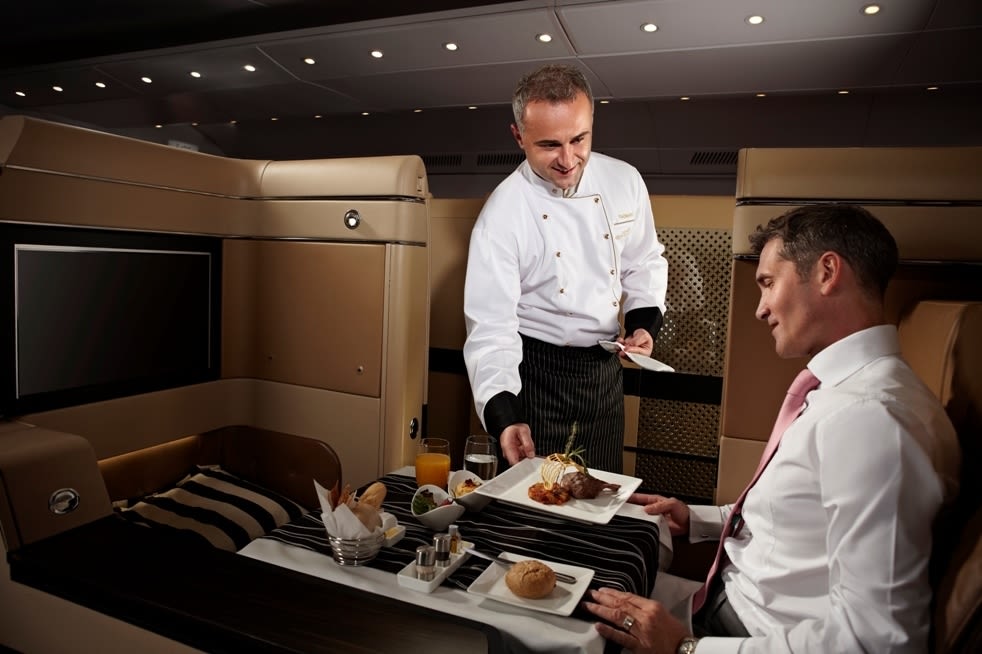
Photo: CNN
The New Era of Ultra Exclusive Dining Experiences
In 2026, luxury dining has reached a level where geography is no longer a limitation. Private chefs are regularly flying across continents to prepare a single meal for elite clients who demand complete personalization. This is no longer about fine dining in restaurants. It is about transforming dinner into a global luxury event shaped entirely around one individual or family.
For the world’s wealthiest people, food has become more than taste. It has become identity, experience, and exclusivity combined into a single moment. The presence of a private chef arriving from another country is now considered a stronger status symbol than dining at the most expensive restaurants in the world.
Why Private Chef Travel Has Become a Wealth Signal
The demand for traveling chefs is driven by a growing desire for absolute control over luxury experiences. Ultra wealthy clients no longer want standardized menus or predictable service environments. They want dishes designed around personal preferences, health goals, emotional memory, and even cultural storytelling.
When a chef flies in for a single dinner, the act itself becomes part of the experience. It signals that resources are being used not for convenience, but for uniqueness. In elite social circles, this level of effort is interpreted as a direct reflection of financial power and influence.
The Logistics Behind a Single Dinner
Behind the glamour lies a highly coordinated system. Private chefs often travel with assistants, specialty ingredients, and custom equipment that cannot be sourced locally. Some ingredients are flown in separately from different countries to ensure absolute authenticity in flavor.
Preparation begins long before arrival. Menus are designed after detailed consultations that can span weeks. Every detail is considered, from dietary preferences to emotional associations with specific cuisines. The goal is not just to cook food, but to design a fully personalized sensory experience.
How Ultra Wealthy Clients Shape the Menu
Unlike traditional restaurant dining, where chefs design menus for broad appeal, private dining experiences are built entirely around one client or one household. Some clients request reinterpretations of childhood meals using luxury ingredients. Others want fusion dishes that blend multiple cultural influences into a single plate.
There is also a growing trend of wellness focused menus. These are designed using nutritional profiling and personal health data to align food with energy levels, sleep cycles, and long term lifestyle goals. The result is dining that feels both indulgent and highly customized.
The Role of Privacy in Private Dining Culture
Privacy is one of the most important elements of these experiences. Many of these dinners take place inside private villas, yachts, penthouses, or remote estates where access is strictly controlled. Chefs are often required to sign confidentiality agreements that prevent them from sharing any details of their clients or locations.
This level of secrecy adds to the exclusivity of the experience. For many wealthy individuals, the ability to enjoy a world class meal without public attention is as important as the food itself. The dining table becomes a private stage where luxury is experienced without visibility.
The Transformation of Chefs Into Global Luxury Specialists
Top private chefs operating in this space are no longer simply cooks. They function as luxury consultants, cultural interpreters, and experience designers. Their work involves understanding not only culinary technique but also psychology, presentation, and emotional design.
Many of these chefs are trained in multiple international cuisines and often specialize in rare ingredients or historical cooking methods. Their reputations are built through word of mouth within elite networks rather than public exposure or restaurant reviews.
The Cost of a Single Cross Continent Dining Experience
The financial scale of these experiences is significant. A single private chef assignment involving international travel, accommodation, ingredient sourcing, and full service preparation can cost more than a luxury car. In some cases, multi chef teams are brought together for larger gatherings, increasing costs even further.
However, for ultra wealthy clients, cost is not the primary consideration. The focus is on uniqueness, precision, and the ability to create a dining experience that cannot be replicated in any public venue.
How Technology Is Changing Private Dining
Technology is quietly transforming how these experiences are designed and delivered. Chefs now use advanced tools to analyze client preferences, track dietary patterns, and design highly specific menus that evolve over time.
Some private dining services also use virtual planning environments where clients can preview dishes before they are prepared. This allows for refinement of taste profiles and presentation styles before the chef even boards a flight.
The Social Meaning of Hosting a Traveling Chef
In elite social culture, hosting a chef who has traveled across continents for a single dinner is seen as a strong statement of influence. It reflects access to global talent and the ability to mobilize resources for personal experiences.
These dinners are often shared within private circles and discussed as cultural events rather than simple meals. The conversation surrounding the experience becomes as important as the food itself.
The Expansion of Private Culinary Networks
As demand grows, private chefs are forming exclusive networks that operate across multiple countries. These networks allow chefs to move seamlessly between high profile clients, often coordinating schedules across continents.
Some chefs are now affiliated with luxury lifestyle agencies that manage their travel, scheduling, and client matching. This has turned private dining into a structured global industry rather than a fragmented service.
The Future of Global Private Dining
The future of private chef travel is expected to become even more personalized and technologically integrated. Clients will likely see deeper customization in menu design, ingredient sourcing, and dining environments.
As wealth continues to concentrate among global elites, experiences like these will likely become even more exclusive and rare. Private dining will evolve further into a form of personal storytelling where every meal reflects identity, memory, and status in a highly curated way.


Subscribe to unlock premium content
Sed at tellus, pharetra lacus, aenean risus non nisl ultricies commodo diam aliquet arcu enim eu leo porttitor habitasse adipiscing porttitor varius ultricies facilisis viverra lacus neque.
A comprehensive guide on Agile development

10 Productivity tools that are worth checking out

Top 7 Must have management tools for productivity

A comprehensive guide on Agile development
10 Productivity tools that are worth checking out
A comprehensive guide on Agile development