
Luxury Brands Chase America’s New AI Millionaires as Wealth Creation Accelerates
By
John Carter
Last updated:
June 5, 2026
First Published:
June 5, 2026

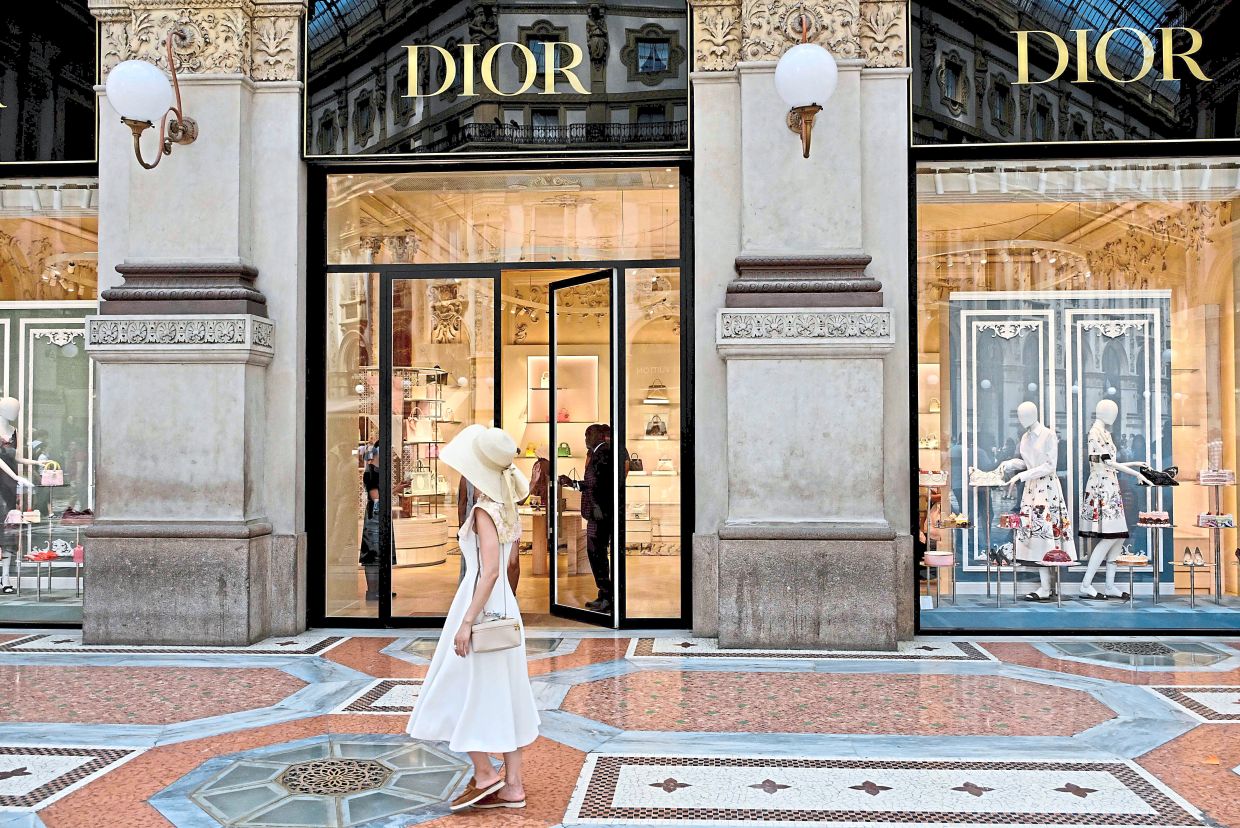
Photo: The Star
The global luxury industry has always followed wealth. Wherever fortunes are created, premium brands quickly adapt their strategies to capture the attention of newly affluent consumers. In 2026, a remarkable shift is taking place as luxury companies increasingly focus on a rapidly expanding group of individuals whose fortunes have been built through artificial intelligence. Across the United States, entrepreneurs, software engineers, startup founders, investors, and executives are accumulating wealth at a pace rarely seen in modern economic history. This new generation of affluent consumers is creating fresh opportunities for luxury brands eager to secure long term relationships with the next wave of high net worth individuals.
The Rise of AI Driven Wealth Creation
Artificial intelligence has evolved from a promising technology into one of the most significant economic forces of the decade. Companies involved in machine learning, automation, advanced computing, and AI infrastructure have attracted enormous investments from both public and private markets. As valuations continue to rise, thousands of employees and founders are experiencing substantial increases in personal wealth.
Unlike previous technology booms, the AI revolution is impacting a broad range of industries simultaneously. From healthcare and finance to manufacturing and entertainment, artificial intelligence is generating new business models and creating wealth across multiple sectors. As a result, luxury brands are witnessing the emergence of a large and diverse customer base with significant purchasing power.
Why Luxury Brands Are Paying Close Attention
Luxury companies understand that securing customer loyalty early can create relationships that last for decades. Many of today's billionaires began as ambitious entrepreneurs who developed preferences for specific luxury brands during the early stages of their success. The same opportunity now exists with AI entrepreneurs and investors.
Major luxury houses recognize that the newly wealthy often seek products and experiences that reflect achievement, personal identity, and social status. Whether through fine watches, bespoke fashion, luxury travel, or premium automobiles, affluent consumers frequently use luxury purchases to celebrate milestones and express their success. This makes AI generated wealth an especially attractive market for luxury companies seeking future growth.
A Different Kind of Luxury Consumer
The new AI millionaire differs in several ways from traditional luxury buyers. Many individuals who have built fortunes through technology prioritize functionality, innovation, and personalization over conventional displays of wealth. Rather than purchasing luxury products solely for prestige, they often seek items that offer exceptional craftsmanship, unique experiences, or technological sophistication.
This shift is encouraging luxury brands to rethink how they communicate value. Instead of relying exclusively on heritage and exclusivity, companies are increasingly emphasizing innovation, customization, sustainability, and digital integration. These qualities resonate strongly with consumers who have built careers around technology and forward thinking ideas.
Personalization Becomes a Competitive Advantage
One of the most significant trends emerging from the AI wealth boom is the growing demand for personalized luxury experiences. High net worth consumers increasingly expect products and services tailored to their individual preferences. Luxury brands are responding by expanding custom design programs, private client services, and invitation only experiences.
From handcrafted fashion pieces to custom travel itineraries, affluent consumers are willing to pay substantial premiums for exclusivity and personalization. For many AI millionaires, the appeal lies not in owning what everyone else has, but in acquiring something uniquely designed for their lifestyle and tastes.
Luxury Real Estate Benefits From the Trend
The rise of AI wealth is also influencing luxury real estate markets across the United States. Cities with strong technology ecosystems continue attracting entrepreneurs and investors seeking proximity to innovation hubs. As wealth accumulates, demand for premium residences, private estates, and exclusive urban properties grows accordingly.
Developers are responding by creating residences equipped with advanced technology, wellness amenities, and highly personalized services. Smart homes featuring integrated automation systems are particularly attractive to buyers whose careers revolve around technological innovation. This convergence of luxury and technology is creating entirely new categories of premium living experiences.
Exclusive Travel Experiences Gain Momentum
Travel remains one of the most powerful expressions of wealth, and AI millionaires are increasingly prioritizing experiences over material possessions. Luxury travel providers are reporting strong interest in private adventures, curated cultural journeys, wellness retreats, and highly customized itineraries.
Affluent travelers are seeking opportunities that deliver authenticity, privacy, and exceptional service. Rather than following traditional tourism patterns, many prefer unique experiences tailored to their personal interests. Luxury hospitality brands are adapting by creating highly specialized offerings designed to meet these evolving expectations.
The Growing Importance of Private Communities
As wealth expands, so does the desire for meaningful connections with peers. Many newly affluent individuals are joining private clubs, invitation only networks, and exclusive communities where they can build relationships with fellow entrepreneurs, investors, and innovators.
Luxury brands are increasingly participating in these environments by hosting private events, educational gatherings, and networking experiences. These initiatives allow brands to engage directly with influential consumers while creating a sense of belonging that extends beyond traditional retail transactions.
Digital Engagement Shapes Brand Relationships
The AI generation is highly connected and digitally sophisticated. As a result, luxury brands are investing heavily in digital experiences that complement their physical offerings. Virtual consultations, private online showrooms, personalized recommendations, and exclusive digital memberships are becoming increasingly common.
The ability to combine exceptional physical products with seamless digital engagement is emerging as a critical competitive advantage. Luxury companies that successfully bridge these worlds are better positioned to attract and retain affluent technology driven consumers.
Challenges Facing Luxury Brands
While the opportunity is enormous, appealing to AI millionaires is not without challenges. This audience tends to be highly informed, analytical, and selective. Traditional marketing tactics may be less effective with consumers who value authenticity and transparency.
Luxury companies must balance exclusivity with accessibility while maintaining the prestige that defines their brands. Success will require a deep understanding of evolving consumer values and a willingness to innovate without compromising core brand identity.
The Future of Wealth and Luxury
The intersection of artificial intelligence and luxury consumption represents one of the most important developments shaping the future of wealth. As AI continues transforming industries and creating new fortunes, luxury brands will increasingly compete for the attention of a new generation of affluent consumers.
Those companies that understand the unique preferences, aspirations, and expectations of AI generated wealth are likely to enjoy significant advantages in the years ahead. The rise of the AI millionaire is not simply another market trend. It represents a profound shift in how wealth is created, how success is expressed, and how luxury itself continues to evolve in a rapidly changing world.


Subscribe to unlock premium content
Sed at tellus, pharetra lacus, aenean risus non nisl ultricies commodo diam aliquet arcu enim eu leo porttitor habitasse adipiscing porttitor varius ultricies facilisis viverra lacus neque.
A comprehensive guide on Agile development

10 Productivity tools that are worth checking out

Top 7 Must have management tools for productivity

A comprehensive guide on Agile development
10 Productivity tools that are worth checking out
A comprehensive guide on Agile development