

Private Capital Shifts Strategy in 2026 as Billionaires Diversify Beyond Traditional Investments
By
Sophie Moore
Last updated:
June 22, 2026
First Published:
June 22, 2026


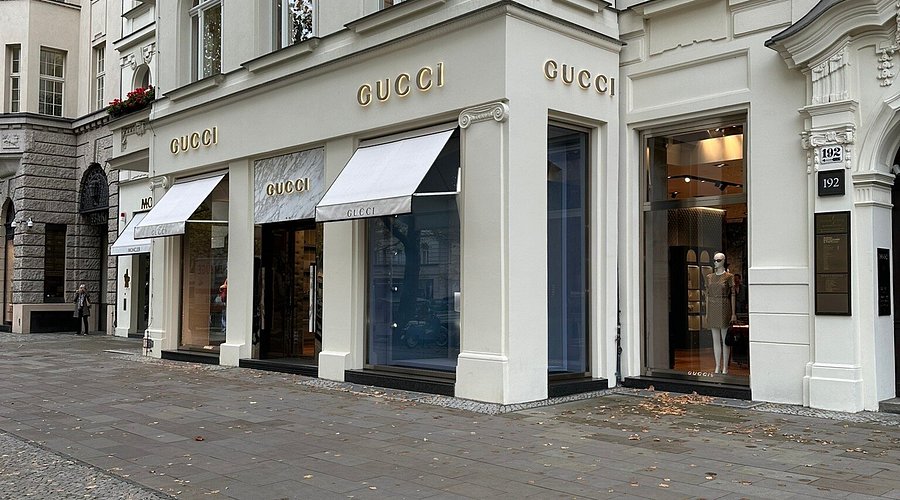
Photo: Ocorian
The global investment landscape is undergoing a significant transformation as billionaire investors rethink how they manage and grow their wealth. In previous decades, traditional assets such as publicly traded stocks, government bonds, and commercial real estate often formed the foundation of large investment portfolios. While these assets continue to play an important role, many wealthy individuals are increasingly expanding their focus toward a broader range of opportunities.
The shift reflects changing economic conditions, evolving market dynamics, and the growing complexity of global wealth management. Billionaires are no longer relying exclusively on conventional investment strategies. Instead, they are exploring new asset classes, alternative investments, and long term opportunities designed to enhance portfolio resilience while preserving wealth across generations.
The Changing Nature of Wealth Management
Modern wealth management has become far more sophisticated than it was even a decade ago. Global investors now have access to a wider variety of financial instruments, private markets, and specialized investment vehicles. As a result, many ultra wealthy individuals are adopting more diversified approaches that reduce dependence on any single asset class.
Economic uncertainty, inflation concerns, geopolitical developments, and rapid technological change have encouraged investors to seek broader exposure. Diversification is increasingly viewed not only as a strategy for generating returns but also as a critical tool for managing risk in an unpredictable world.
Private Markets Gain Greater Attention
One of the most notable trends among billionaire investors is the growing allocation of capital toward private markets. Unlike publicly traded securities, private investments often provide access to emerging companies, specialized industries, and unique growth opportunities that are not available through traditional exchanges.
Private equity continues to attract significant interest because it allows investors to participate directly in business expansion and innovation. Many wealthy individuals appreciate the ability to take a long term approach while working closely with management teams to create value over time. This level of involvement can be particularly appealing to entrepreneurs who have built businesses themselves.
Technology Remains a Major Investment Theme
Despite diversification efforts, technology continues to represent one of the most attractive sectors for billionaire investors. Advances in artificial intelligence, automation, digital infrastructure, biotechnology, and advanced computing are creating opportunities that many view as transformative.
Rather than investing exclusively in publicly traded technology companies, wealthy investors are increasingly targeting private ventures and early stage businesses. These investments carry higher risk but also offer the potential for substantial rewards if emerging technologies achieve widespread adoption. For many billionaires, technology remains a cornerstone of future growth strategies.
Alternative Assets Expand Portfolio Opportunities
Alternative investments are becoming increasingly prominent within private wealth portfolios. These assets often include private credit, infrastructure projects, agricultural investments, collectible assets, and specialized funds designed to operate independently of traditional market cycles.
Many wealthy investors view alternative assets as valuable sources of diversification because their performance may not closely correlate with stock market movements. This characteristic can help reduce portfolio volatility while creating additional avenues for long term capital appreciation. As investment options continue to expand, alternative assets are likely to play an even greater role in wealth management strategies.
Real Estate Continues to Evolve
Real estate remains an important component of billionaire portfolios, but investment preferences are changing. Rather than focusing solely on traditional commercial properties, investors are exploring emerging sectors influenced by demographic and technological trends.
Luxury residential developments, logistics facilities, data centers, healthcare properties, and specialized housing projects are attracting growing interest. These segments often benefit from long term structural demand and may provide attractive income opportunities alongside capital growth. Real estate diversification is therefore becoming more nuanced and strategically targeted.
Global Diversification Becomes Essential
Geographic diversification has become increasingly important for wealthy investors seeking to navigate an interconnected world economy. Billionaires are allocating capital across multiple regions to reduce exposure to country specific risks and capture opportunities in different markets.
Rapid economic growth in certain regions continues to attract investment interest, while established financial centers remain important destinations for wealth preservation. This balanced approach allows investors to participate in global growth while maintaining access to stable and mature markets. International diversification is now widely viewed as a fundamental component of sophisticated portfolio construction.
Sustainability Influences Investment Decisions
Environmental and social considerations are becoming more influential within private capital allocation strategies. Many billionaire investors recognize that sustainability trends are shaping consumer behavior, corporate performance, and regulatory frameworks across industries.
As a result, investments linked to renewable energy, resource efficiency, sustainable infrastructure, and environmental innovation are receiving increased attention. Beyond potential financial returns, these opportunities often align with broader goals related to long term societal development. Sustainability is no longer viewed as a niche consideration but as an important factor in future investment success.
Wealth Preservation Takes Center Stage
For many billionaires, protecting existing wealth is just as important as generating new returns. Market volatility and economic uncertainty have reinforced the importance of capital preservation strategies. Investors are placing greater emphasis on resilience, liquidity, and risk management when evaluating opportunities.
This focus has encouraged the adoption of more balanced portfolios that combine growth oriented investments with assets designed to provide stability. Wealth preservation strategies often include diversification across sectors, geographies, and investment structures. The goal is to ensure financial security regardless of changing market conditions.
Family Offices Play a Growing Role
Family offices have become increasingly influential in managing billionaire wealth. These specialized organizations oversee investment decisions, succession planning, philanthropy, and long term financial strategies for affluent families.
Many family offices are expanding their internal capabilities to evaluate complex investment opportunities and conduct independent research. This allows wealthy families to make informed decisions while maintaining greater control over their portfolios. As global wealth continues to grow, family offices are expected to play an even more prominent role in shaping investment trends.
Long Term Thinking Defines Modern Investment Strategies
A defining characteristic of billionaire investing in 2026 is the emphasis on long term thinking. Rather than reacting to short term market fluctuations, many wealthy individuals are focusing on structural trends that may influence economic growth for decades.
Technological innovation, demographic shifts, healthcare advancements, urban development, and sustainability initiatives are among the themes attracting long term capital. Investors increasingly seek opportunities capable of generating value over extended periods rather than pursuing quick gains. This patient approach reflects the priorities of wealth preservation and multigenerational planning.
The Future of Private Capital
As financial markets continue to evolve, billionaire investors are likely to become even more strategic in how they allocate capital. Diversification beyond traditional investments is no longer simply a trend. It has become a fundamental aspect of modern wealth management.
Private markets, alternative assets, technology ventures, sustainable investments, and global opportunities are reshaping the investment landscape. The ability to adapt to changing conditions while maintaining a long term perspective will remain essential for preserving and growing substantial wealth.
The evolution of private capital strategies in 2026 highlights a broader shift in how the world's wealthiest individuals view investing. Success is increasingly measured not only by returns but also by resilience, adaptability, and the ability to create enduring value across generations. As new opportunities emerge, billionaire investors are positioning themselves to navigate the future with greater flexibility and confidence than ever before.



Subscribe to unlock premium content
Sed at tellus, pharetra lacus, aenean risus non nisl ultricies commodo diam aliquet arcu enim eu leo porttitor habitasse adipiscing porttitor varius ultricies facilisis viverra lacus neque.
A comprehensive guide on Agile development

10 Productivity tools that are worth checking out

Top 7 Must have management tools for productivity

A comprehensive guide on Agile development
10 Productivity tools that are worth checking out
A comprehensive guide on Agile development