

Luxury Brands Shift Toward Micro Clienteling Offering One to One Fashion Production for Ultra High Net Worth Clients
By
Sophie Moore
Last updated:
April 16, 2026
First Published:
April 16, 2026


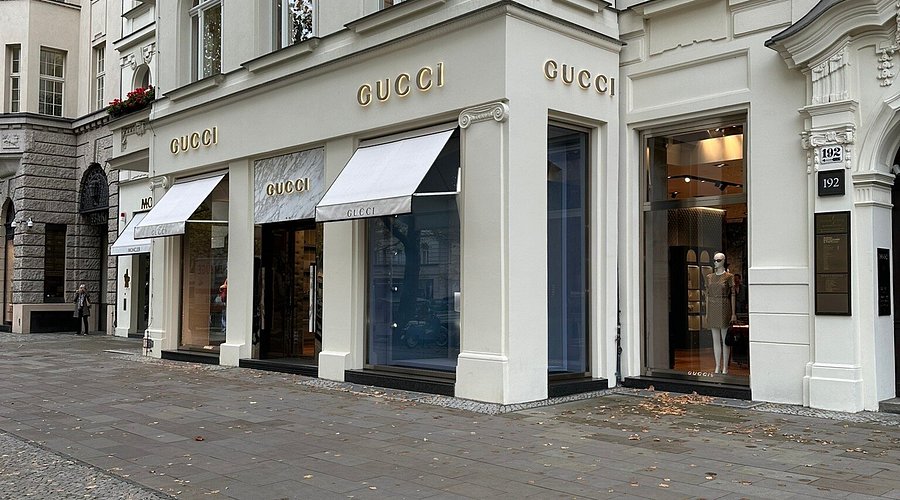
Photo: The Cardiff Cwtch
Luxury fashion is moving beyond seasonal collections and into an era defined by individual production. The concept of micro clienteling is emerging as a dominant strategy among high end brands, where garments are no longer simply selected from curated lines but are created as singular pieces tailored to a specific client’s identity, measurements, and lifestyle patterns.
This shift is being driven by a growing demand for exclusivity that cannot be replicated or mass interpreted. Ultra high net worth clients are increasingly seeking items that carry no external repetition, meaning every garment is designed as a one off creation. In this model, fashion houses function less as retailers and more as private ateliers operating on direct commission.
At the center of micro clienteling is a highly detailed design process. Clients engage in extended consultations where preferences around fabric, silhouette, movement, and personal symbolism are recorded. These inputs are then translated into design blueprints that often never enter public collections, ensuring the final product remains entirely private and uniquely owned.
Production systems within luxury houses are being reorganized to support this level of customization. Instead of centralized manufacturing lines, brands are establishing small scale artisan workshops focused on singular output. Each piece can require multiple fittings, material sourcing from rare textile suppliers, and manual finishing techniques that prioritize individuality over efficiency.
Digital tools are also playing a supporting role in this transformation. Virtual modeling and body scanning technologies allow designers to create highly accurate representations of clients without repeated physical fittings. This reduces production friction while increasing precision, enabling garments to be engineered with near architectural accuracy.
The idea of ownership is also evolving. In micro clienteling, garments are not marketed as part of a seasonal identity but as extensions of personal branding. For many clients, clothing becomes a form of private expression that is not intended for public recognition or trend alignment but instead serves as a private signature of status and taste.
Luxury houses benefit from this shift by moving toward higher value, lower volume production models. While the number of pieces created decreases, the value per item increases significantly. This reinforces exclusivity and allows brands to deepen relationships with a smaller, more influential client base.
Another defining feature of this trend is confidentiality. Many of these bespoke creations are never photographed, cataloged, or publicly released. Clients often request strict privacy agreements, ensuring that their designs remain unseen outside of private environments. This secrecy itself becomes part of the luxury experience.
As competition intensifies among luxury brands, micro clienteling is becoming a key differentiator. Houses that can successfully integrate craftsmanship, digital precision, and discreet service are positioning themselves as leaders in the next phase of fashion evolution. The emphasis is no longer on visibility but on intimacy and exclusivity.
Ultimately, this model reflects a broader transformation in luxury consumption where personalization replaces mass prestige. In a market defined by individuality, the highest expression of luxury is no longer owning what others admire but owning what no one else can access or reproduce.



Subscribe to unlock premium content
Sed at tellus, pharetra lacus, aenean risus non nisl ultricies commodo diam aliquet arcu enim eu leo porttitor habitasse adipiscing porttitor varius ultricies facilisis viverra lacus neque.
A comprehensive guide on Agile development

10 Productivity tools that are worth checking out

Top 7 Must have management tools for productivity

A comprehensive guide on Agile development
10 Productivity tools that are worth checking out
A comprehensive guide on Agile development