
Luxury Fashion Leaders Gather in Italy for Exclusive Global Wealth Summit 2026
By
Sophie Moore
Last updated:
May 20, 2026
First Published:
May 20, 2026

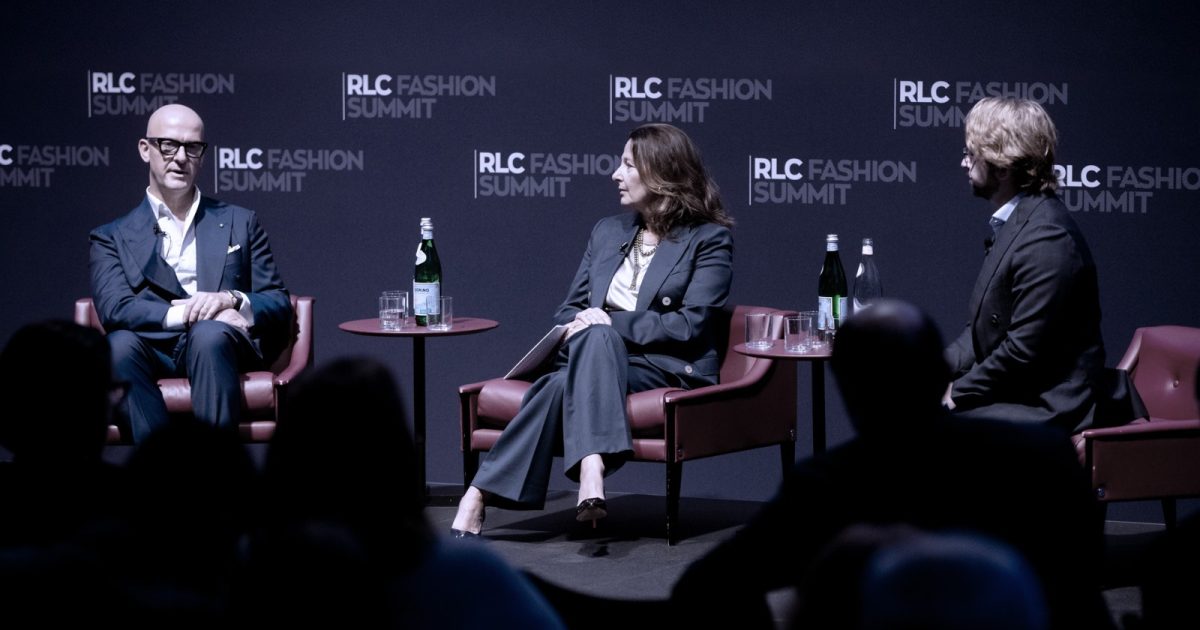
A defining meeting point for global luxury leadership
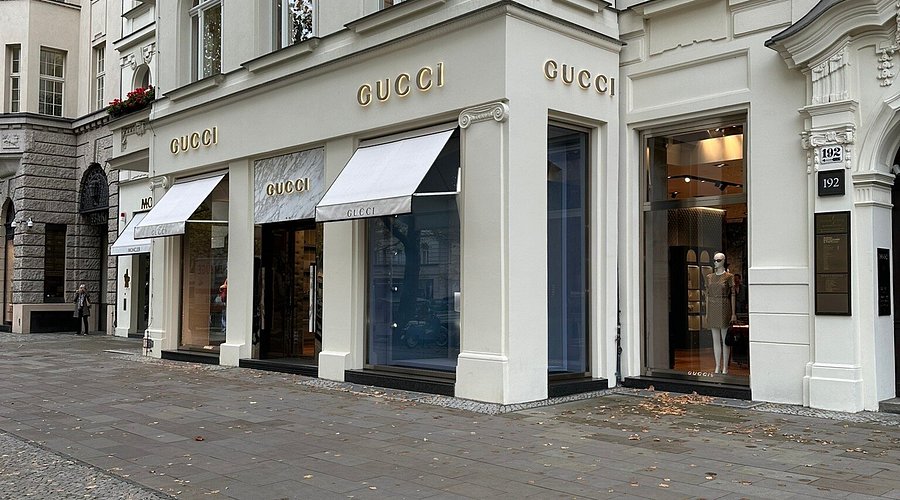
An exclusive gathering in Italy has become one of the most influential private forums for the global luxury sector in 2026. The event brings together executives from heritage fashion houses, private investors, and select members of ultra affluent families. The focus is on long term strategy across luxury goods, experiential services, and evolving consumer behavior among wealthy demographics.
Italy as the symbolic center of luxury heritage
Italy continues to serve as a natural host for such a summit due to its deep historical connection with craftsmanship, design, and artisanal production. Cities associated with art, tailoring, and architecture provide a culturally rich backdrop that reinforces the identity of luxury as both tradition and innovation. This setting strengthens the prestige associated with the discussions held during the event.
Strategic focus on next generation luxury consumption
A central theme of the summit is the changing definition of luxury consumption among younger affluent groups. These consumers increasingly prioritize personalization, exclusivity, and experience based value over traditional ownership alone. Discussions highlight how luxury houses are adapting their offerings to reflect this shift without compromising heritage identity.
Expansion of private client ecosystems
Luxury brands are investing heavily in private client systems that offer highly individualized services. These systems include dedicated advisors, private viewing appointments, and bespoke product creation channels. The summit emphasizes how these ecosystems are becoming essential for maintaining long term relationships with top tier clients.
Intersection of craftsmanship and advanced production techniques
Another key discussion area is the balance between traditional craftsmanship and modern production capabilities. Luxury leaders are exploring how advanced design tools and precision manufacturing can support artisans without replacing human skill. The goal is to preserve authenticity while meeting increasing global demand for rare and customized products.
Growing influence of collectible luxury assets
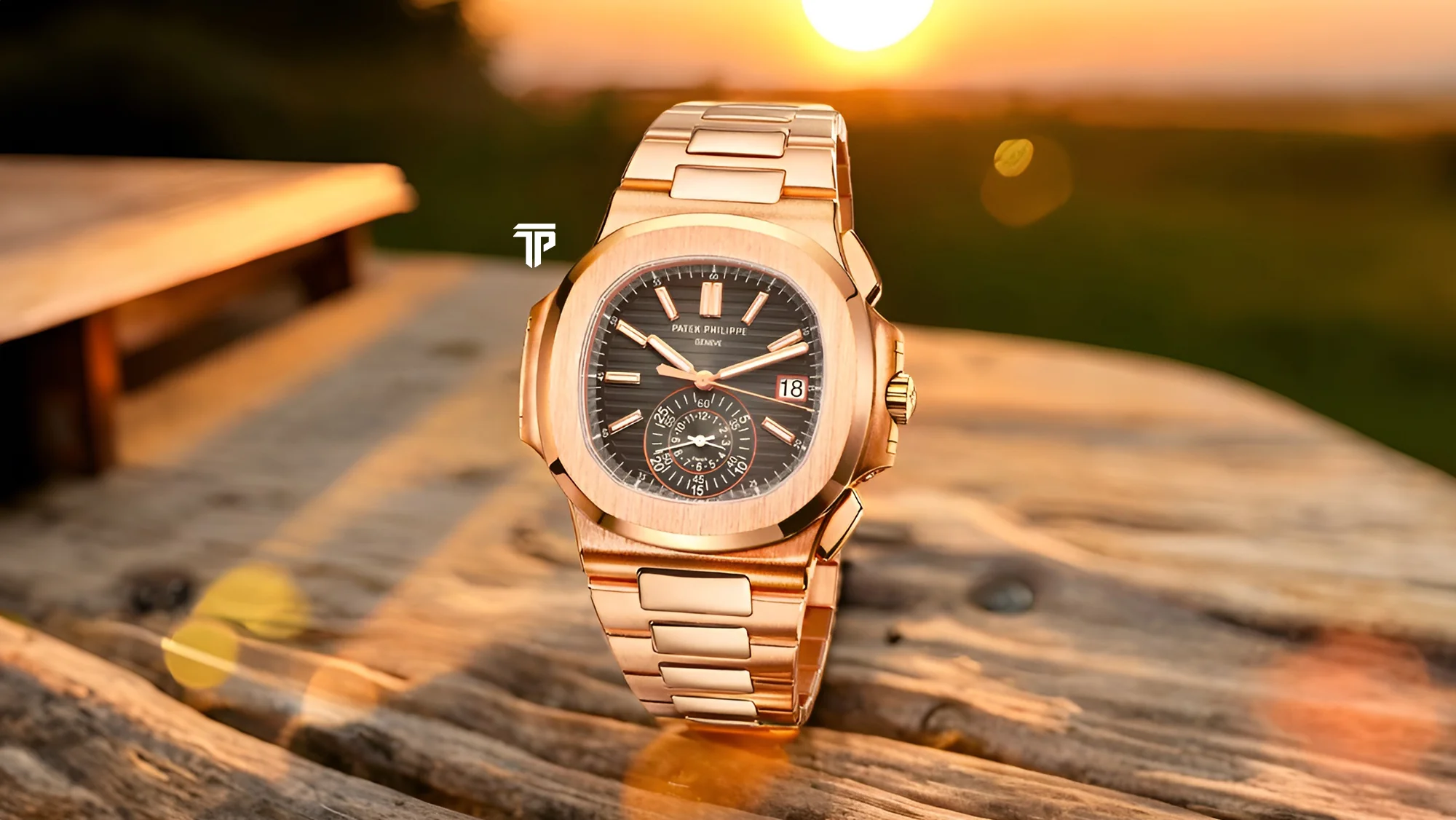
The summit also examines the rise of luxury goods as collectible financial assets. Items such as limited edition watches, couture pieces, and rare accessories are increasingly treated as long term stores of value. This trend is reshaping how brands approach production limits and distribution strategies.
Digital environments shaping luxury engagement
Digital platforms are now a major focus of strategic planning among luxury executives. Virtual showrooms, immersive product experiences, and controlled online release systems are being used to maintain exclusivity while expanding global reach. The discussions emphasize careful integration rather than full digital replacement of physical luxury experiences.
Sustainability as a prestige indicator
Sustainability has become a key factor in defining modern luxury prestige. Instead of being positioned as a constraint, it is increasingly framed as a mark of excellence and responsibility. Luxury houses are investing in traceable materials, responsible sourcing, and long term environmental planning as part of brand identity.
Private investment influence on brand direction
The presence of private investors and wealth advisors at the summit highlights the growing financial dimension of luxury branding. Investment perspectives are increasingly shaping decisions related to expansion, collaboration, and product development. This creates a closer alignment between luxury brands and long horizon capital strategies.
The future architecture of global luxury networks
The summit concludes with discussions on how luxury networks will evolve over the coming years. Rather than operating as isolated brands, luxury houses are moving toward interconnected ecosystems involving hospitality, fashion, art, and real estate. This integrated approach reflects a broader transformation in how global luxury influence is structured and sustained.

Subscribe to unlock premium content
Sed at tellus, pharetra lacus, aenean risus non nisl ultricies commodo diam aliquet arcu enim eu leo porttitor habitasse adipiscing porttitor varius ultricies facilisis viverra lacus neque.
A comprehensive guide on Agile development

10 Productivity tools that are worth checking out
Top 7 Must have management tools for productivity

A comprehensive guide on Agile development
10 Productivity tools that are worth checking out
A comprehensive guide on Agile development