
Private Yacht Builders Report Demand for Floating Residences Featuring Full Scale Art Galleries and Climate Controlled Wine Vaults
By
Maya K.
Last updated:
April 16, 2026
First Published:
April 16, 2026

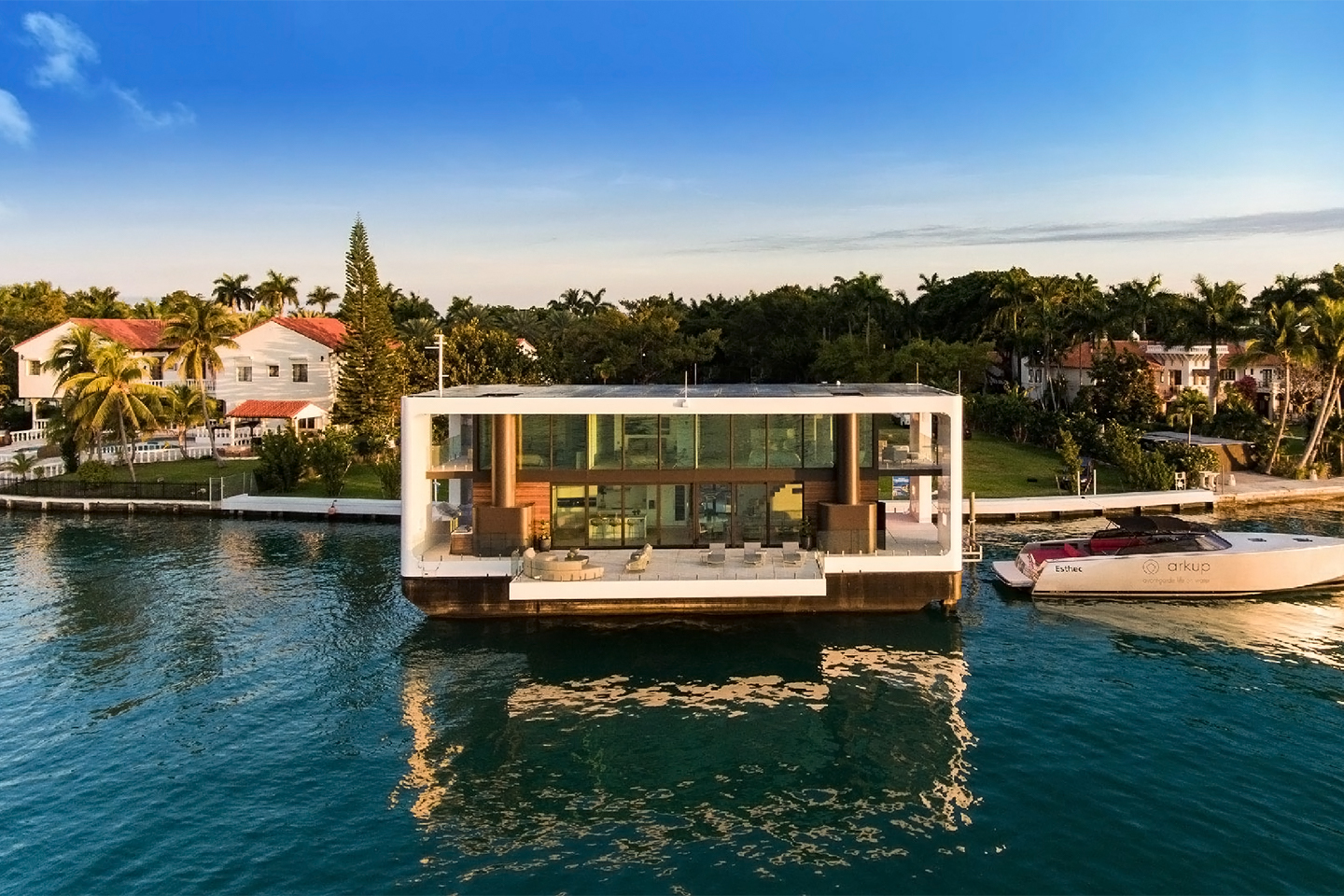
Photo: Ivan Estrada Properties
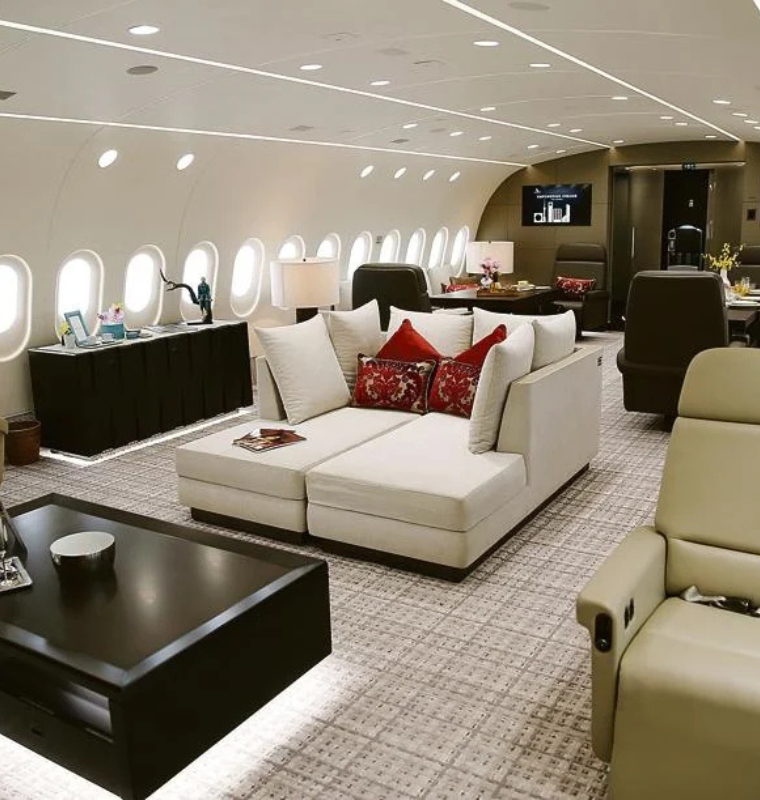
The private yacht industry is undergoing a structural shift from traditional leisure vessels to fully realized floating residences. High net worth buyers are no longer satisfied with standard luxury amenities. Instead, they are commissioning yachts designed as permanent living environments that mirror the scale and complexity of high end architectural estates.
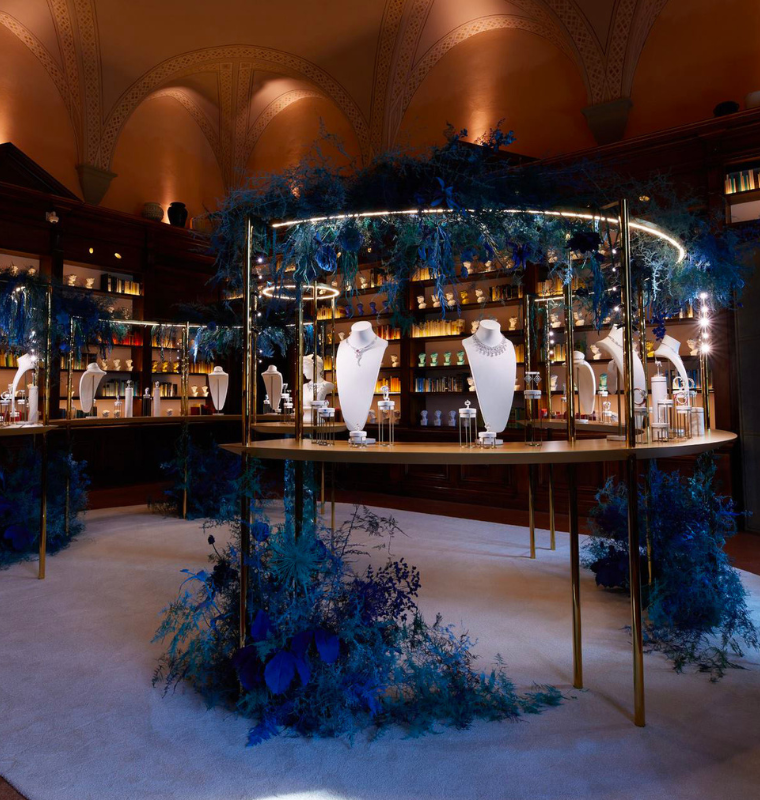
One of the most striking developments in this trend is the integration of full scale art galleries on board. These are not decorative display areas but purpose built exhibition spaces designed with museum level lighting, humidity control, and spatial flow. Collectors are treating their yachts as mobile extensions of their private art holdings, allowing them to experience curated collections while traveling across regions.
Alongside art focused spaces, climate controlled wine vaults have become a defining feature of modern superyacht design. These vaults are engineered with precision temperature zones, vibration control systems, and humidity stabilization technology. For elite collectors, wine storage is no longer about preservation alone but about creating a controlled environment that supports long term asset appreciation and private tasting experiences at sea.
Naval architects are adapting yacht blueprints to accommodate these increasingly complex interior requirements. Traditional layouts centered on cabins and leisure decks are being replaced with multi functional living zones that resemble private residences. Structural reinforcements are required to support the weight and environmental needs of galleries and vaults, making each build significantly more customized than previous generations of yachts.
Interior designers working in this space are collaborating closely with art curators and sommeliers. The goal is to ensure that lighting, spatial arrangement, and environmental systems align with the preservation needs of high value assets. This interdisciplinary approach is turning yacht design into a hybrid of architecture, fine art curation, and scientific environmental engineering.
Demand for these floating estates is being driven by a shift in how ultra wealthy individuals view mobility. Rather than seeing yachts as temporary vacation platforms, clients now expect them to function as fully operational homes capable of hosting extended stays without compromise. This has led to increased demand for larger vessels with expanded storage, exhibition, and wellness facilities.
Another emerging factor is privacy. Many collectors prefer to keep valuable art and rare wine collections within controlled personal environments rather than relying on land based storage facilities or public museums. A yacht provides both mobility and exclusivity, allowing owners to move assets discreetly while maintaining full environmental control.
Technology is also playing a growing role in this evolution. Advanced monitoring systems track temperature, light exposure, and air quality in real time, ensuring that both artwork and wine collections remain in optimal condition regardless of geographic location. These systems operate quietly in the background, reinforcing the idea of seamless luxury management.
Builders report that commissioning timelines for these vessels have expanded significantly due to the complexity of customization. Each yacht now requires deep collaboration between engineers, designers, and private consultants, often extending construction periods well beyond traditional luxury yacht builds. The result is a highly personalized asset that functions as both transportation and private cultural infrastructure.
As demand continues to rise, floating residences are becoming a new benchmark in ultra luxury living. The combination of art preservation, curated lifestyle spaces, and ocean mobility is redefining what it means to own a private yacht, positioning these vessels as some of the most exclusive and technically advanced residences in the world.


Subscribe to unlock premium content
Sed at tellus, pharetra lacus, aenean risus non nisl ultricies commodo diam aliquet arcu enim eu leo porttitor habitasse adipiscing porttitor varius ultricies facilisis viverra lacus neque.
A comprehensive guide on Agile development

10 Productivity tools that are worth checking out
Top 7 Must have management tools for productivity

A comprehensive guide on Agile development
10 Productivity tools that are worth checking out
A comprehensive guide on Agile development