
Ultra Wealthy Buyers Accelerate Private Island and Fortress Estate Acquisitions Amid Global Instability
By
John Carter
Last updated:
May 20, 2026
First Published:
May 20, 2026

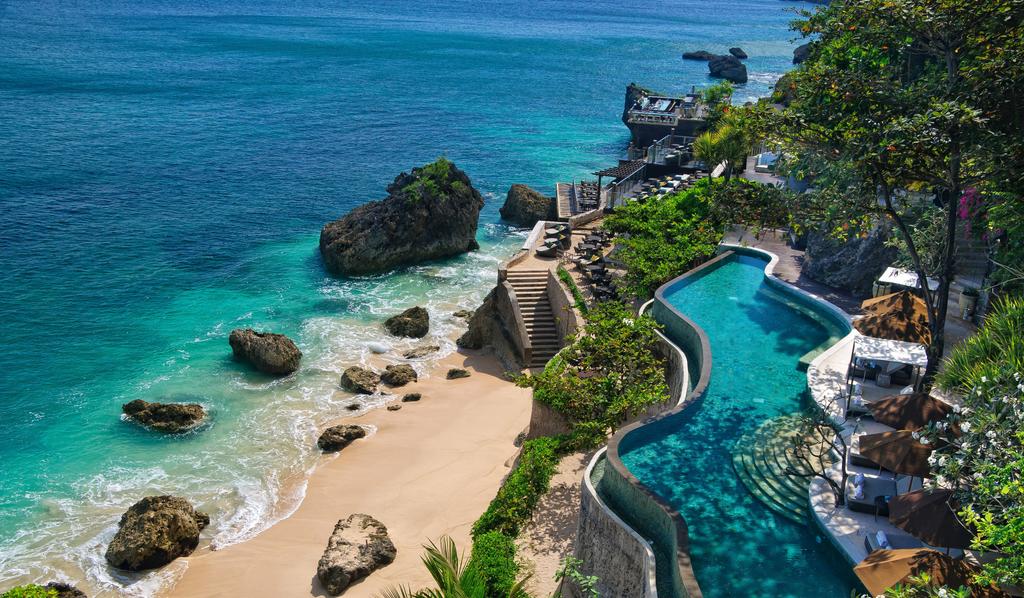
Photo: Economy Middle East
Rising demand for total isolation in elite real estate
Across the global luxury property market, ultra wealthy buyers are increasingly prioritizing complete isolation over traditional prestige locations. Private islands and fortress style estates are emerging as preferred assets due to their ability to provide total environmental control, restricted access, and long term privacy. This shift reflects a broader change in how wealth is being protected and experienced.
Private islands as controlled micro territories
Private islands are no longer viewed as leisure escapes alone. For many high net worth individuals, they function as self contained territories where infrastructure, staffing, and lifestyle design can be fully customized. Ownership often includes surrounding waters, allowing complete regulation of entry routes and maritime access points.
Fortress estates redefining luxury architecture
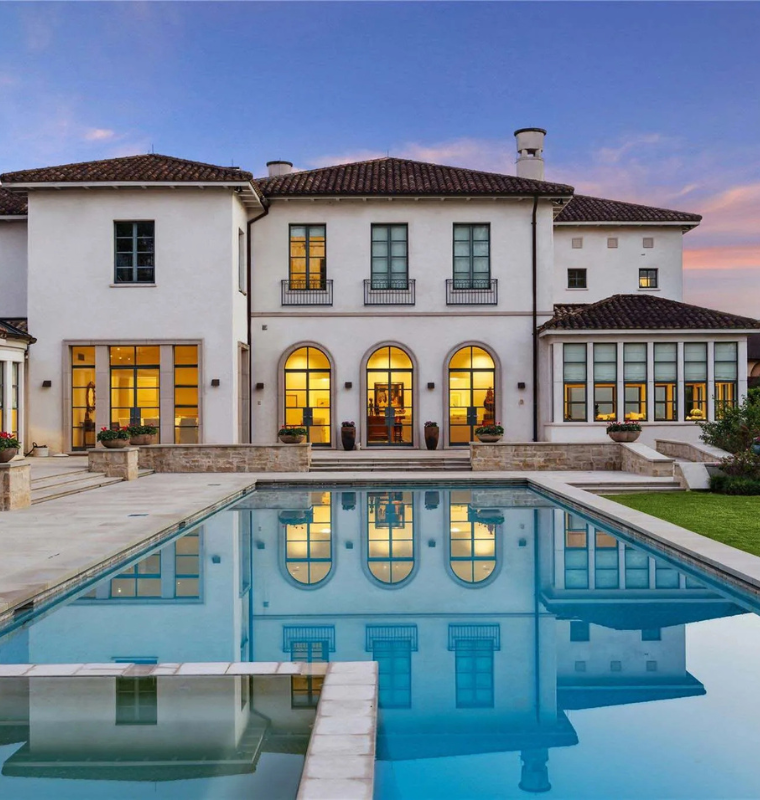
Fortress style estates are gaining popularity among buyers seeking high security combined with architectural sophistication. These properties integrate reinforced construction, layered perimeter design, and advanced monitoring systems while maintaining luxury aesthetics. The focus is on blending defensive engineering with high end residential comfort.
Security architecture becoming a luxury standard
Security features are now embedded into the initial design phase of luxury estates rather than added later. Subterranean access routes, biometric entry systems, and hidden service corridors are becoming standard expectations at the top end of the market. These features are designed to ensure uninterrupted private living without visible security presence.
Geographic diversification of elite property portfolios
Ultra wealthy individuals are increasingly diversifying their property holdings across multiple isolated regions. Instead of concentrating assets in one global city, portfolios now often include combinations of private islands, remote coastal estates, and inland fortified residences. This strategy reduces exposure to regional instability and enhances lifestyle flexibility.
The role of geopolitical uncertainty in demand growth
Rising geopolitical uncertainty has contributed significantly to increased interest in secluded real estate. Buyers are prioritizing assets that offer autonomy from public infrastructure systems and reduced dependence on urban centers. This has accelerated demand in regions perceived as stable, remote, and environmentally secure.
Infrastructure independence as a key valuation factor
Modern private islands and fortress estates are evaluated not only by location but also by their level of independence. Renewable energy systems, desalination facilities, private communication networks, and self sustaining supply chains are becoming essential features. Full operational autonomy is now a major value driver in luxury real estate transactions.
Impact on coastal and remote property markets
The surge in demand is influencing pricing and availability in several coastal and island markets. Properties that were previously considered undeveloped or secondary are being rapidly repositioned as premium assets. This is leading to increased competition among buyers and tighter control by local authorities on development permissions.
Exclusive development partnerships and private construction
Many acquisitions are followed by long term private development agreements with specialized architectural and engineering firms. These partnerships focus on creating highly customized environments that reflect the buyer’s security, lifestyle, and aesthetic requirements. Construction timelines are often extended due to the complexity of integrating luxury and defense systems.
The future of high security luxury living
The growing preference for private islands and fortress estates signals a long term shift in luxury living philosophy. Wealth preservation is increasingly intertwined with physical isolation and environmental control. As this trend continues, the definition of high end real estate is likely to expand further into fully self governed, ultra private living ecosystems.


Subscribe to unlock premium content
Sed at tellus, pharetra lacus, aenean risus non nisl ultricies commodo diam aliquet arcu enim eu leo porttitor habitasse adipiscing porttitor varius ultricies facilisis viverra lacus neque.
A comprehensive guide on Agile development

10 Productivity tools that are worth checking out

Top 7 Must have management tools for productivity

A comprehensive guide on Agile development
10 Productivity tools that are worth checking out
A comprehensive guide on Agile development