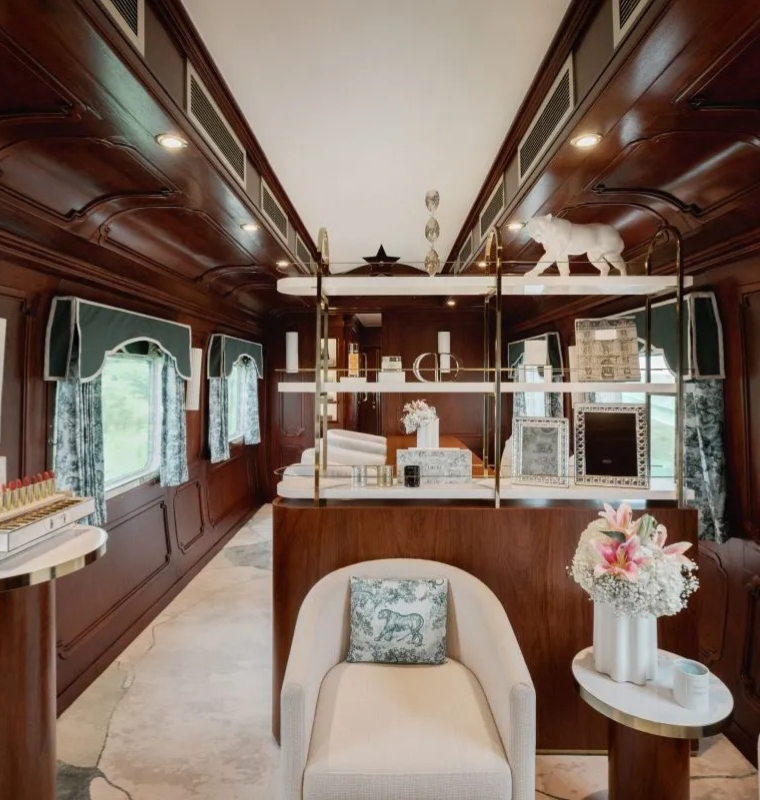

Sovereign Wealth Funds Quietly Enter Luxury Hospitality Sector Through Boutique Hotel Acquisitions
By
John Carter
Last updated:
April 14, 2026
First Published:
April 25, 2026

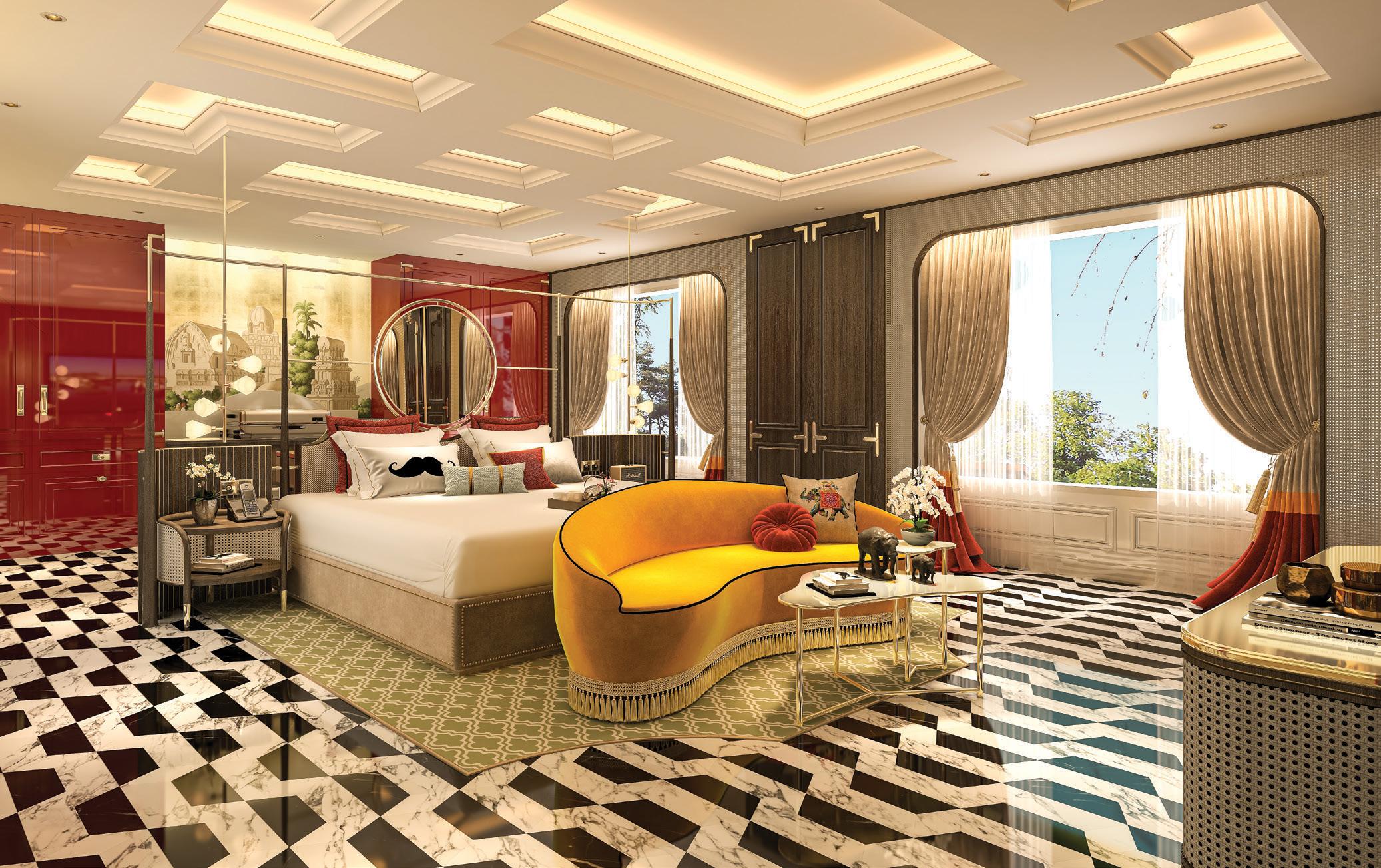
Photo: Issuu
Global Capital Quietly Rewrites Luxury Hospitality Ownership
Sovereign wealth funds from multiple regions are increasingly redirecting capital toward boutique hospitality assets rather than traditional large scale hotel chains. This shift reflects a broader strategy focused on stable long term returns combined with prestige driven positioning in the global luxury ecosystem. Instead of acquiring visible flagship hotel brands, these funds are targeting discreet, high margin properties with strong identity and limited room inventory.
Boutique Hotels Become the Preferred Entry Point
Unlike conventional hospitality investments, boutique hotels offer controlled scale, stronger pricing power, and curated guest experiences. Sovereign investors are recognizing that exclusivity often generates higher resilience during economic fluctuations. This has led to a steady rise in acquisitions of independently operated luxury properties in key cultural and coastal destinations.
Shift From Volume Based Hospitality to Experience Led Assets
The investment philosophy behind this movement is shifting from occupancy driven models to experience driven value creation. Wealth managers overseeing sovereign portfolios are prioritizing assets that can deliver emotional luxury, not just accommodation. This includes properties that integrate art, wellness, architecture, and localized storytelling.
Strategic Positioning in Global Luxury Corridors
Key destinations such as Mediterranean coastal towns, Southeast Asian island hubs, and select European heritage cities are becoming focal points for acquisition. These regions offer a combination of tourism stability, elite consumer demand, and regulatory environments favorable to long term capital holding.
Discreet Ownership Structures Preserve Brand Authenticity
Many sovereign investors are using layered holding structures to maintain operational independence for acquired boutique hotels. This allows properties to retain their original branding and cultural identity while benefiting from deep capital reserves and infrastructure upgrades.
Integration of High End Wellness and Longevity Services
A noticeable trend within these acquisitions is the integration of advanced wellness ecosystems. Properties are being upgraded to include personalized health diagnostics, longevity programs, and curated wellness retreats designed for ultra wealthy travelers seeking extended stays rather than short visits.
Influence of Ultra High Net Worth Travel Behavior
Changing travel patterns among extremely wealthy individuals are influencing investment decisions. There is growing demand for privacy, personalization, and immersive cultural engagement. Boutique hotels align perfectly with these expectations, making them strategic assets for sovereign portfolios.
Technology Driven Personalization in Luxury Hospitality
Advanced data systems are being embedded into these properties to refine guest experience. From predictive service models to AI assisted personalization, the goal is to anticipate guest preferences without compromising privacy. This technological layer is becoming a key differentiator in sovereign backed hospitality assets.
Long Term Yield Stability Over Short Term Returns
Sovereign wealth strategies in this sector are less focused on rapid profit generation and more aligned with long duration value preservation. Boutique hospitality assets provide relatively stable cash flow while also appreciating through brand prestige and location scarcity.
Expansion Into Cultural and Lifestyle Ecosystems
Beyond accommodation, sovereign investors are gradually transforming boutique hotels into cultural micro ecosystems. These include curated art exhibitions, private culinary residencies, and exclusive networking environments for global elites. The result is a hybrid model that blends hospitality with lifestyle influence.
Outlook for Global Luxury Hospitality Investment
The trajectory suggests continued expansion of sovereign participation in boutique hospitality markets. As global wealth concentration increases and luxury demand becomes more experience driven, these investments are expected to grow in both scale and sophistication.



Subscribe to unlock premium content
Sed at tellus, pharetra lacus, aenean risus non nisl ultricies commodo diam aliquet arcu enim eu leo porttitor habitasse adipiscing porttitor varius ultricies facilisis viverra lacus neque.
A comprehensive guide on Agile development

10 Productivity tools that are worth checking out

Top 7 Must have management tools for productivity

A comprehensive guide on Agile development
10 Productivity tools that are worth checking out
A comprehensive guide on Agile development