

Sovereign Wealth Funds Shift Billions Into Climate Infrastructure as Green Assets Become Core to Elite Portfolios
By
John Carter
Last updated:
March 2, 2026
First Published:
March 2, 2026

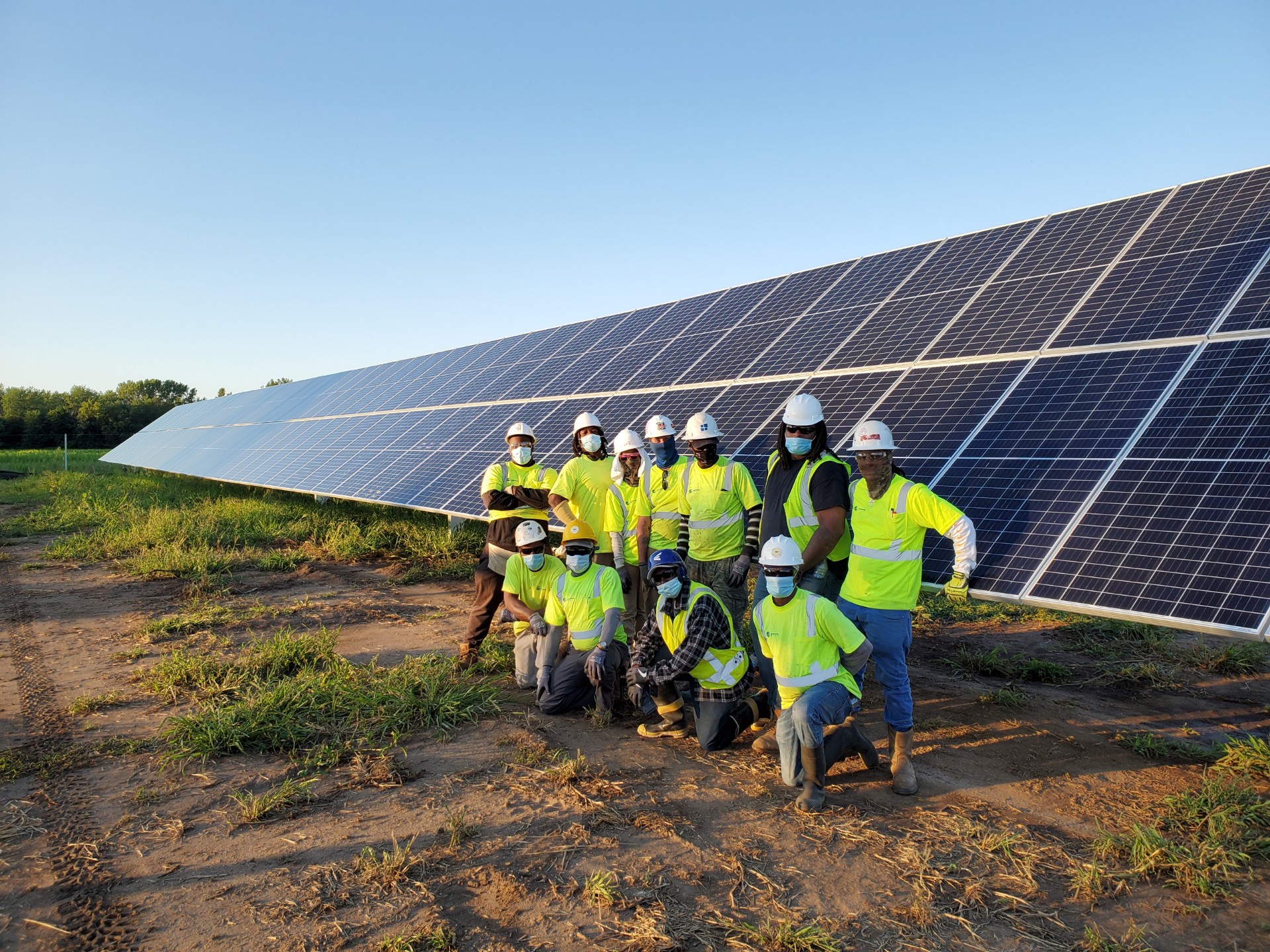
The Strategic Pivot Toward Climate Infrastructure
A powerful transformation is unfolding within the world of sovereign wealth capital. Across continents, sovereign wealth funds are accelerating allocations into climate infrastructure, channeling billions into renewable energy, grid modernization, green hydrogen, water resilience, and carbon capture ecosystems. What was once considered a thematic allocation is now becoming a structural pillar of long term portfolio design. This shift signals more than environmental awareness. It reflects a calculated strategy to preserve capital, manage systemic risk, and capture generational growth.
The global sovereign wealth landscape includes influential institutions such as the Norway Government Pension Fund Global, the Abu Dhabi Investment Authority, and the Singapore GIC. These funds manage trillions in aggregate assets and traditionally favor diversified exposure across equities, fixed income, real assets, and private markets. However, climate infrastructure now sits at the intersection of risk mitigation and growth, making it a compelling destination for institutional scale capital.
Climate Infrastructure as a Core Asset Class
Climate infrastructure encompasses renewable power generation, transmission networks, battery storage, green mobility corridors, flood defense systems, sustainable agriculture platforms, and next generation energy technologies. Unlike volatile growth assets, these investments are typically structured around long duration contracts, regulated revenue frameworks, or power purchase agreements. This produces predictable cash flow streams that align perfectly with the multi decade horizons of sovereign capital.
For elite investors observing these shifts, the implications are profound. When sovereign wealth funds reposition capital at this magnitude, they reshape market dynamics. Capital flows influence valuation multiples, private equity deal competition, and infrastructure fund formation. As climate infrastructure matures into a core asset class, it gains liquidity depth and institutional credibility, which further reinforces the cycle of investment.
Risk Management in an Era of Climate Volatility
Sovereign wealth managers are not acting solely from sustainability narratives. They are responding to material economic risk. Climate volatility increasingly affects supply chains, insurance markets, agricultural output, and urban real estate resilience. By investing upstream into mitigation and adaptation infrastructure, funds are effectively hedging against macroeconomic instability.
Flood barriers, renewable grids, and resilient transport systems are no longer optional civic upgrades. They are financial stabilizers. Sovereign investors recognize that portfolios exposed to physical climate risk must be counterbalanced by assets that directly address those vulnerabilities. This strategic hedge strengthens long term wealth preservation while unlocking growth from the global energy transition.
The Competitive Advantage of Early Positioning
Early positioning in climate infrastructure provides strategic leverage. Large sovereign funds often co invest directly into mega projects, bypassing layers of intermediary fees. Their scale grants them access to proprietary deal flow and preferential terms. In emerging markets, sovereign participation can also de risk projects by signaling institutional confidence, which attracts additional private capital.
This catalytic effect multiplies impact. A single multibillion dollar commitment can unlock regional renewable capacity, modernize grid systems, and stimulate local employment ecosystems. For sovereign funds, this also enhances geopolitical influence, as capital deployment shapes energy independence and cross border partnerships.
Private Markets and Direct Ownership Models
Another defining trend is the move toward direct ownership and strategic partnerships. Rather than allocating solely through external managers, sovereign funds increasingly build in house expertise to evaluate energy assets, engineering feasibility, and regulatory structures. This internalization improves cost efficiency and governance control.
Direct stakes in offshore wind farms, solar parks, and hydrogen production facilities allow funds to participate not just as financiers but as long term infrastructure stewards. For ultra high net worth families and private capital groups, this institutional model offers insight into how generational wealth structures can evolve beyond passive allocation into strategic asset ownership.
Alignment With Intergenerational Mandates
Sovereign wealth funds are inherently intergenerational vehicles. Many were created to transform natural resource revenue into diversified financial assets that support future citizens. Climate infrastructure aligns naturally with this mandate. It safeguards environmental sustainability while generating durable income streams that extend across decades.
This alignment strengthens political legitimacy. Citizens increasingly demand responsible capital stewardship. By investing in infrastructure that mitigates emissions and enhances resilience, sovereign funds reinforce social trust while meeting fiduciary obligations. The result is a convergence of financial prudence and environmental responsibility.
Technology Integration and Data Driven Oversight
Modern climate infrastructure projects are deeply integrated with advanced analytics, artificial intelligence forecasting, and smart grid optimization systems. Sovereign wealth funds now require robust data transparency to evaluate performance metrics such as energy yield, operational efficiency, and emissions reduction.
Digital monitoring platforms enhance asset oversight and improve long term returns through predictive maintenance and performance optimization. This technological integration elevates infrastructure investing from a static asset class into a dynamic data rich ecosystem.
Capital Rotation Away From Carbon Intensive Assets
Another dimension of this transition involves strategic divestment. Many sovereign funds are gradually reducing exposure to high carbon sectors while reinvesting proceeds into transition aligned industries. This reallocation is not abrupt or ideological. It is structured, risk adjusted, and phased to maintain portfolio stability.
As capital exits carbon intensive assets and flows into renewable infrastructure, market signals intensify. Financing costs for sustainable projects decline, while legacy industries face higher capital constraints. This rebalancing accelerates structural economic change at a global scale.
Implications for Private Wealth Architecture
For affluent families and private investors, sovereign wealth allocation patterns offer valuable intelligence. When long horizon institutions prioritize climate infrastructure, it validates the asset class as a strategic pillar rather than a niche theme. Family offices are increasingly mirroring this approach by allocating to renewable funds, sustainable real assets, and impact driven infrastructure vehicles.
The broader lesson is clear. Wealth preservation in the twenty first century requires exposure to assets that are structurally aligned with global transformation. Climate infrastructure sits at the core of that transformation, supported by regulatory momentum, technological innovation, and institutional capital flows.
The New Blueprint for Elite Portfolio Construction
Climate infrastructure is no longer a peripheral experiment within sovereign portfolios. It is a foundational allocation shaping the architecture of modern wealth. Billions in capital are not merely chasing returns. They are underwriting the systems that will power economies, stabilize societies, and protect assets for generations.




Subscribe to unlock premium content
Sed at tellus, pharetra lacus, aenean risus non nisl ultricies commodo diam aliquet arcu enim eu leo porttitor habitasse adipiscing porttitor varius ultricies facilisis viverra lacus neque.
A comprehensive guide on Agile development

10 Productivity tools that are worth checking out

Top 7 Must have management tools for productivity

A comprehensive guide on Agile development
10 Productivity tools that are worth checking out
A comprehensive guide on Agile development