

The Rise of Private Cities Funded by Billionaires Seeking Regulatory Freedom
By
John Carter
Last updated:
April 2, 2026
First Published:
April 25, 2026

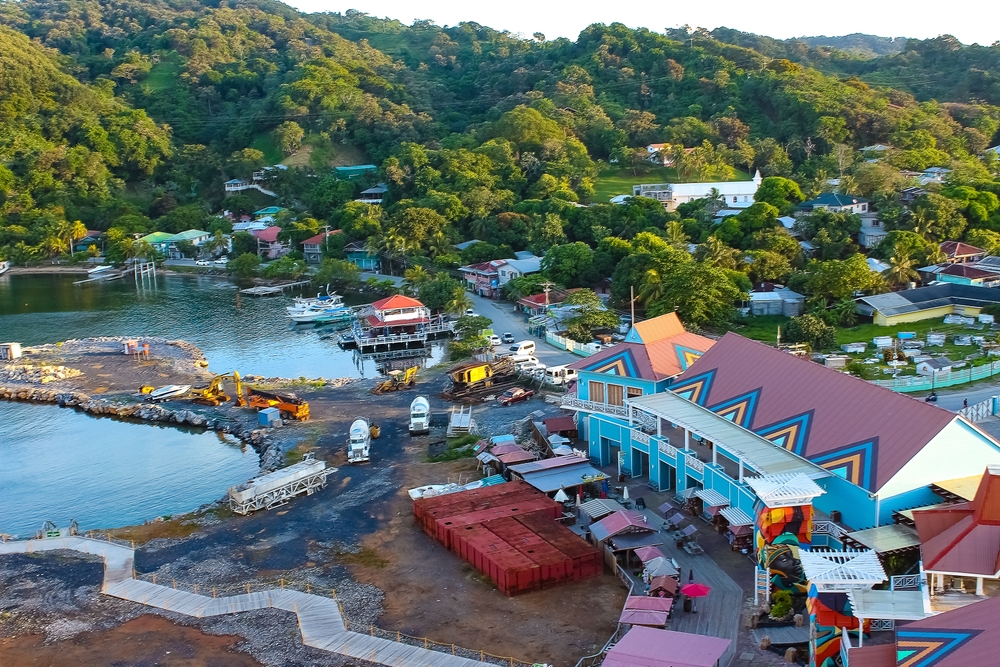
Photo: FPIF
A New Vision of Urban Power
Across the globe a quiet transformation is taking place in how cities are imagined and built. Billionaires and powerful investment groups are no longer content with influencing existing systems. Instead they are creating entirely new environments designed from the ground up. These private cities are not just real estate ventures. They represent a bold attempt to redefine governance, economics, and personal freedom.
Why Traditional Systems No Longer Satisfy the Elite
For decades the ultra wealthy have operated within national frameworks that often come with regulatory constraints, taxation complexities, and political unpredictability. While these systems provide stability, they also impose limitations that can restrict innovation and control.
Private cities offer an alternative. They promise a controlled environment where rules can be optimized for efficiency, growth, and long term vision. This shift reflects a growing desire among the elite to operate beyond traditional boundaries.
The Concept of Regulatory Freedom
At the core of these developments is the idea of regulatory freedom. This does not mean the absence of rules. Instead it involves designing regulations that are streamlined, business friendly, and aligned with specific economic goals.
In private cities governance models can be tailored to attract investment, foster innovation, and reduce bureaucratic friction. This level of customization is rarely possible within established nations.
Designing Cities as Strategic Assets
Unlike conventional urban development, private cities are approached as strategic assets. Every element from infrastructure to policy is intentionally designed to serve a broader objective.
Transportation systems, digital networks, and residential zones are integrated to create seamless experiences. These cities often prioritize efficiency, sustainability, and advanced technology, positioning themselves as future ready hubs.
The Role of Technology in Building Autonomy
Technology plays a central role in enabling these private ecosystems. Smart infrastructure, data driven governance, and automated services allow for a high degree of operational control.
Digital identity systems, advanced security frameworks, and optimized resource management contribute to a self contained environment where residents experience minimal disruption. This technological backbone is essential for maintaining the independence these cities aim to achieve.
Economic Ecosystems Within Controlled Boundaries
Private cities are not isolated experiments. They are designed to function as complete economic ecosystems. Businesses, financial services, and innovation hubs are integrated within the same environment.
This creates a closed loop system where capital, talent, and resources circulate efficiently. For investors this offers a unique opportunity to operate within a highly optimized economic space that reduces external dependencies.
Attracting a New Class of Residents
These developments are not intended for the general population. They are carefully curated environments targeting entrepreneurs, high net worth individuals, and specialized professionals.
Residency often comes with strict criteria designed to ensure alignment with the city’s goals. This selective approach helps maintain a cohesive community focused on growth, innovation, and collaboration.
Ethical and Political Implications
The rise of private cities raises important questions about governance and equality. When control is concentrated in the hands of a few individuals or entities, traditional democratic principles may be challenged.
Critics argue that these cities could deepen global inequality by creating exclusive spaces that operate outside public accountability. Supporters, however, view them as laboratories for innovation that can inspire broader systemic improvements.
Why This Trend Is Accelerating Now
Several factors are contributing to the rapid growth of private city initiatives. Increasing global wealth concentration has provided the financial power needed to undertake such ambitious projects. At the same time dissatisfaction with existing systems has created demand for alternatives.
Advancements in technology have also made it possible to design and manage complex urban environments with unprecedented precision. Together these elements are driving a new wave of experimentation in city building.
The Future of Sovereign Living
As private cities evolve they may redefine what it means to belong to a place. Traditional notions of citizenship and governance could be replaced by more flexible and dynamic models.
Individuals may choose environments based on alignment with their values, professional goals, and lifestyle preferences rather than geographic or national identity. This represents a significant shift in how society is structured.
The Emergence of Controlled Utopias
Private cities funded by billionaires are more than ambitious construction projects. They are expressions of a deeper desire for autonomy, efficiency, and control. By reimagining how cities function, the ultra wealthy are challenging long standing assumptions about governance and community.
Whether these developments become models for the future or remain exclusive enclaves, they signal a powerful trend. The ability to design not just wealth but entire worlds is becoming the next frontier of influence.




Subscribe to unlock premium content
Sed at tellus, pharetra lacus, aenean risus non nisl ultricies commodo diam aliquet arcu enim eu leo porttitor habitasse adipiscing porttitor varius ultricies facilisis viverra lacus neque.
A comprehensive guide on Agile development

10 Productivity tools that are worth checking out

Top 7 Must have management tools for productivity

A comprehensive guide on Agile development
10 Productivity tools that are worth checking out
A comprehensive guide on Agile development