

Ultra Elite Capital Shift Into Tokenized Luxury Villas Across Monaco and Dubai Waterfront Markets
By
John Carter
Last updated:
April 28, 2026
First Published:
April 28, 2026

Capital Migration Into Digitally Structured Luxury Assets
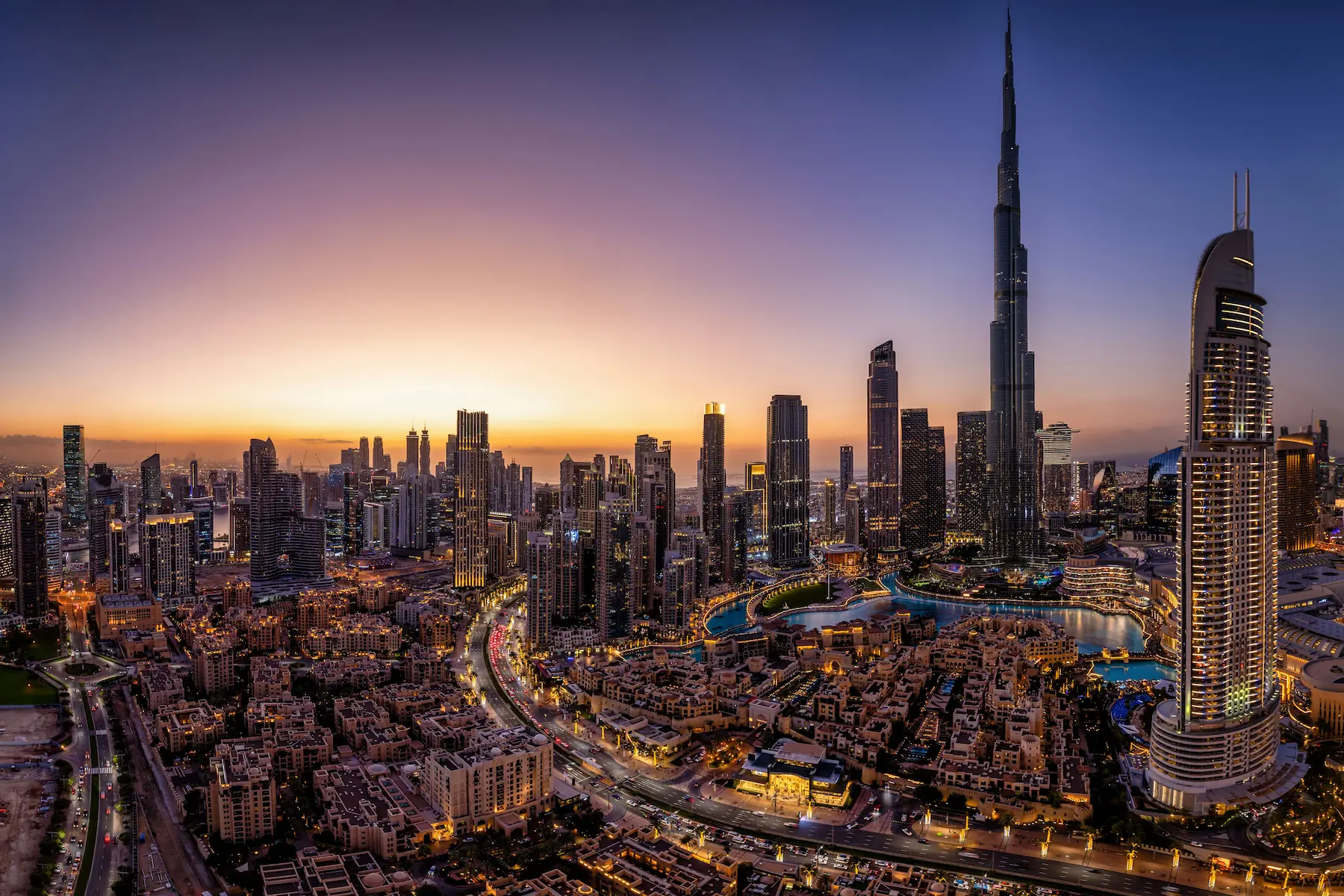
Global ultra wealthy investors are increasingly moving portions of their real estate portfolios into digitally structured ownership models. Rather than acquiring full properties in traditional transactions, capital is being allocated into tokenized luxury villas that represent fractional ownership of high value waterfront estates. This shift is especially visible in Monaco and Dubai where limited land supply and extreme pricing have created a natural environment for alternative ownership structures.
Monaco as a Controlled Scarcity Luxury Laboratory
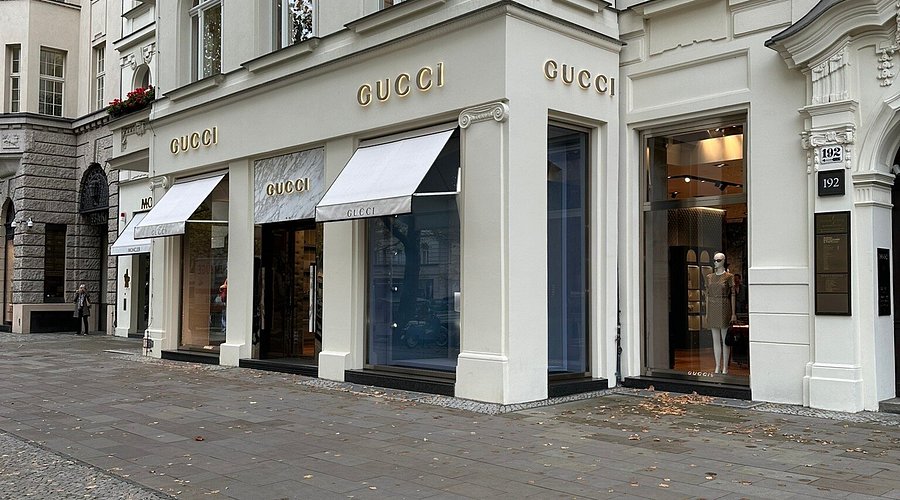
Monaco continues to function as one of the most tightly constrained luxury property markets in the world. The introduction of tokenized ownership models has created a new entry point for elite investors who previously faced barriers due to full asset pricing thresholds. These structures allow participation in premium residences overlooking the Mediterranean without requiring full acquisition of physical property.
Dubai Waterfront Expansion and Digital Property Integration
Dubai has positioned itself as a leading hub for technologically integrated luxury real estate. Waterfront developments are now increasingly paired with blockchain based ownership systems that enable fractional investment. This integration is attracting global capital flows from Europe, Asia, and the Middle East, particularly from investors seeking flexible mobility across multiple high value residences.
Shift From Physical Ownership to Asset Layer Participation
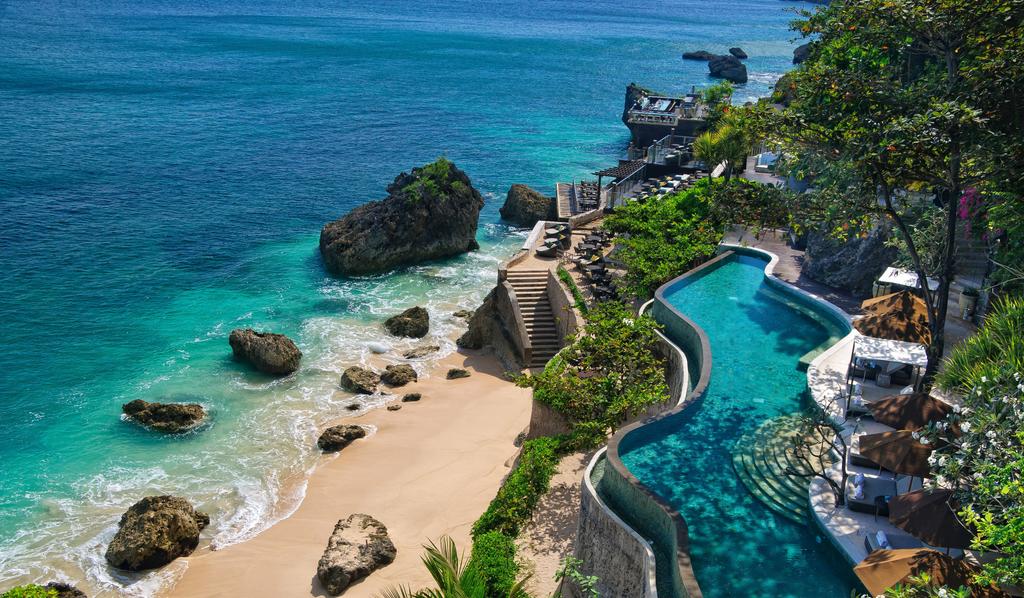
A notable transformation is occurring in how wealth is defined in real estate. Instead of focusing solely on physical possession, investors are prioritizing access layers within premium assets. Tokenized villas allow owners to hold proportional stakes in properties that may also generate rental yield, appreciation value, and exclusive usage rights depending on structure.
Exclusivity as a Digital Construct
Luxury has traditionally been tied to physical exclusivity such as location, architecture, and privacy. In the tokenized model, exclusivity is now being redefined through controlled digital access. Many of these villa assets operate within private investor networks where entry is restricted not only by capital but also by verification systems and invitation based platforms.
Liquidity Advantage in High End Real Estate Portfolios
One of the driving forces behind this shift is liquidity. Traditional luxury villas are historically illiquid assets, often requiring long transaction cycles. Tokenization introduces secondary market trading potential, allowing investors to adjust exposure more dynamically. This liquidity feature is particularly appealing to family offices managing diversified global portfolios.
Integration of Lifestyle Utility With Investment Structure
These tokenized villas are not purely financial instruments. Many structures include lifestyle utility components such as scheduled personal usage, concierge access, and hospitality style services. This dual function enhances appeal among ultra wealthy individuals who want both investment performance and experiential value.
Regulatory Evolution Supporting Digital Property Ownership
Both Monaco and Dubai have been adapting regulatory frameworks to accommodate blockchain based property structures. While approaches differ, there is a shared recognition that digital ownership models are becoming an integral part of modern luxury real estate ecosystems. This regulatory flexibility has accelerated institutional interest.
Wealth Preservation Strategies in Volatile Global Markets
In uncertain macroeconomic environments, ultra wealthy investors are increasingly diversifying into tangible asset backed digital structures. Tokenized luxury villas offer a hybrid model combining real world asset stability with digital transfer efficiency. This combination is being viewed as a long term wealth preservation strategy.
Future Outlook for Fractional Luxury Real Estate Ecosystems
The evolution of tokenized luxury villas suggests a broader transformation in how elite real estate markets will function. Over time, these systems may expand into integrated networks of global properties allowing synchronized access across multiple luxury destinations. Monaco and Dubai are currently serving as early indicators of this structural shift in high end wealth architecture.


Subscribe to unlock premium content
Sed at tellus, pharetra lacus, aenean risus non nisl ultricies commodo diam aliquet arcu enim eu leo porttitor habitasse adipiscing porttitor varius ultricies facilisis viverra lacus neque.
A comprehensive guide on Agile development

10 Productivity tools that are worth checking out

Top 7 Must have management tools for productivity

A comprehensive guide on Agile development
10 Productivity tools that are worth checking out
A comprehensive guide on Agile development
.png)