

Ultra Luxury Hotels Introduce Fully Invisible Service Models Where Staff Operate Entirely Behind Architectural Concealment
By
John Carter
Last updated:
April 16, 2026
First Published:
April 25, 2026

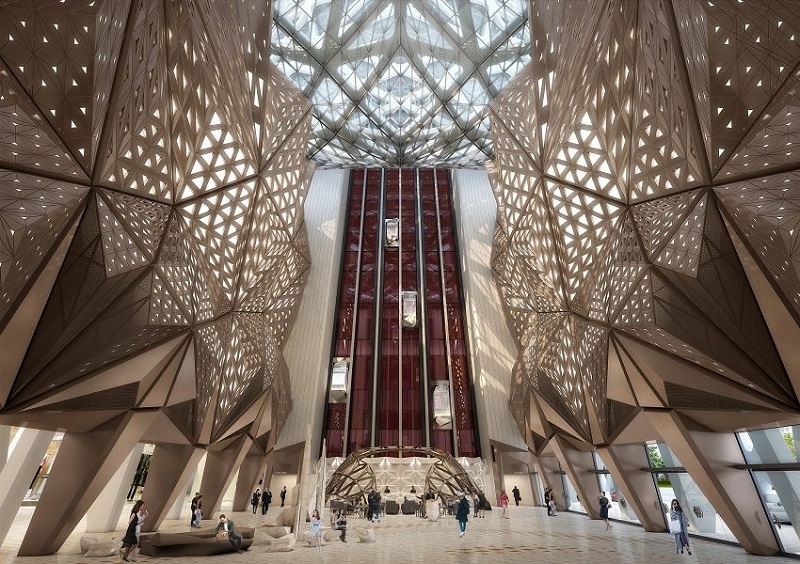
Ultra luxury hospitality is entering a phase where visibility itself is being redesigned. The newest wave of premium hotels is moving toward service systems that prioritize complete discretion, allowing guests to experience assistance without ever visually encountering staff in traditional roles. This shift is redefining how luxury environments are structured and how service is delivered at the highest level of exclusivity.
At the core of this concept is architectural concealment. Hotels are being designed with hidden corridors, service voids, and integrated movement pathways that allow staff to operate throughout the property without entering guest sightlines. These pathways are not simply functional additions but are embedded into the structural logic of the building, ensuring that every interaction feels effortless and uninterrupted.
The philosophy behind invisible service is rooted in psychological comfort and sensory purity. Wealthy travelers increasingly value environments where nothing disrupts visual calm or personal space. By removing visible service presence, hotels aim to create a feeling that the environment responds automatically, as if the space itself is intelligent and anticipatory.
Technology plays a central role in enabling this model. Advanced sensor systems track guest preferences, movement patterns, and room conditions in real time. Requests are processed through silent communication networks that route tasks directly to hidden service teams. This allows for precise timing in delivery of amenities, room adjustments, and personalized experiences without any visible coordination.
Staff roles within these properties are also evolving. Instead of traditional front facing positions, employees are trained in spatial navigation, timing precision, and silent operation protocols. Their work focuses on anticipating needs and executing tasks in ways that preserve total guest immersion. This creates a hospitality structure where human effort exists but remains deliberately unseen.
Interior design is being adapted to support this invisible ecosystem. Walls are engineered with access points that blend seamlessly into textures and materials. Furniture is positioned to conceal service entries, and lighting design is used to guide staff movement without revealing pathways to guests. The result is an environment that appears still while being constantly active behind the surface.
For guests, the experience is centered on uninterrupted presence. Meals arrive without interaction, rooms are refreshed without visible activity, and environmental changes occur without explanation. This creates a perception of effortless living where attention is never pulled toward operational mechanics, reinforcing a sense of exclusivity and control over personal space.
The demand for this level of discretion is strongest among ultra high net worth individuals who prioritize privacy above visibility. For these clients, luxury is no longer defined by how much service is offered but by how seamlessly it disappears. The less a guest notices the system, the more refined the experience is considered to be.
Developers in the hospitality sector view this model as the next evolution of bespoke travel environments. It requires significant investment in architecture, training, and systems integration, but it also creates a powerful differentiation in a competitive luxury market. Properties that master invisible service are positioned as destinations for a very select clientele seeking total separation from public exposure.
As this trend develops, it is likely to influence other sectors of luxury living, including private residences and membership based retreats. The concept of unseen service may extend beyond hotels into yachts, estates, and private compounds where operational invisibility becomes a defining marker of status. The future of luxury hospitality is increasingly moving toward environments that are felt rather than observed.


Subscribe to unlock premium content
Sed at tellus, pharetra lacus, aenean risus non nisl ultricies commodo diam aliquet arcu enim eu leo porttitor habitasse adipiscing porttitor varius ultricies facilisis viverra lacus neque.
A comprehensive guide on Agile development

10 Productivity tools that are worth checking out
Top 7 Must have management tools for productivity

A comprehensive guide on Agile development
10 Productivity tools that are worth checking out
A comprehensive guide on Agile development