
Ultra Wealth Goes Mobile as Billionaires Shift From Trophy Homes to Global Lifestyle Portfolios
By
John Carter
Last updated:
June 18, 2026
First Published:
June 18, 2026


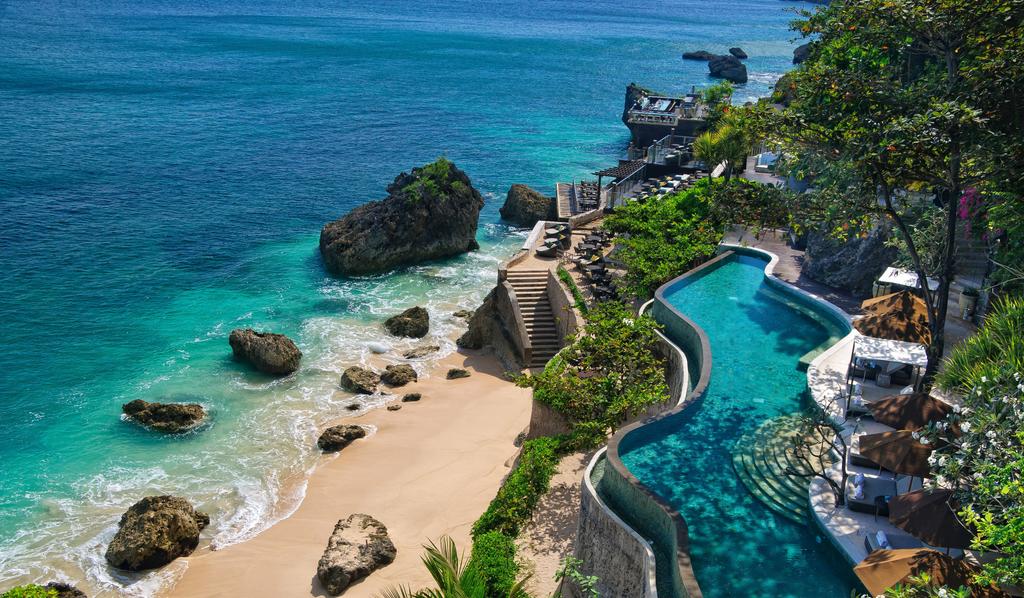
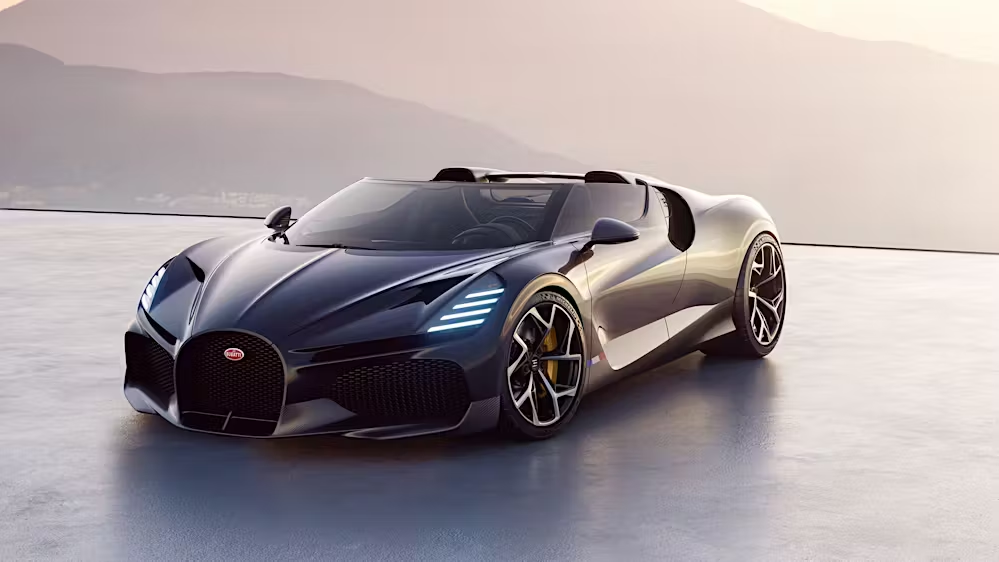
Photo: Global Brands Magazine
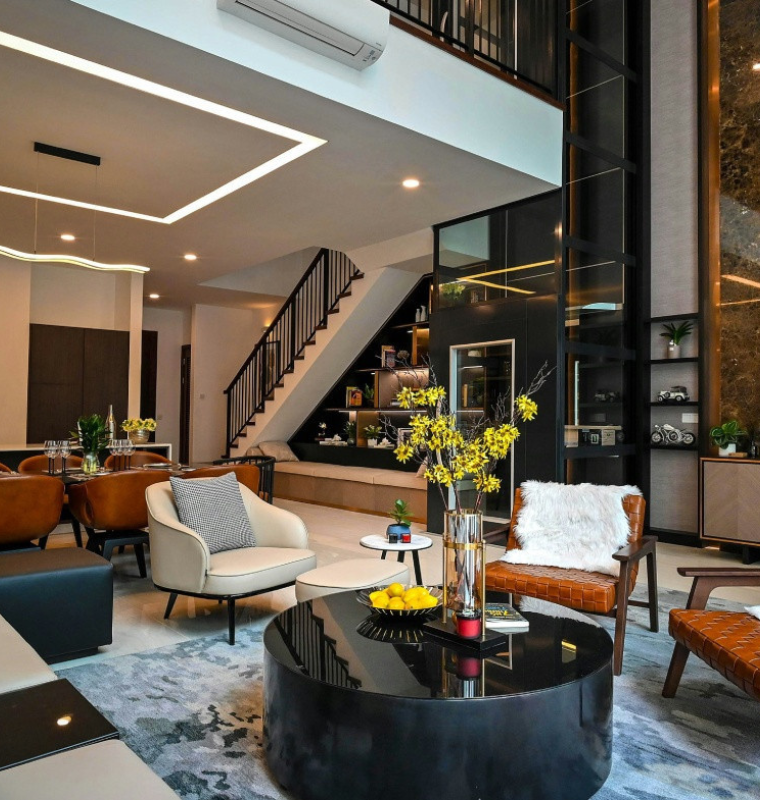
For decades, wealth was often measured by ownership. The grand mansion overlooking the ocean, the sprawling estate hidden behind private gates, and the penthouse occupying the top floors of a famous skyline all served as unmistakable symbols of financial success. These properties were not only places to live but also statements of status, influence, and permanence. However, a noticeable shift is emerging among the world's wealthiest individuals. Rather than concentrating their resources into a handful of prestigious residences, many billionaires are embracing a more flexible approach to luxury living through what experts increasingly describe as global lifestyle portfolios.
A New Era of Wealth Prioritizes Freedom Over Permanence
The modern billionaire operates in a world that moves faster than ever before. Business opportunities emerge across continents, investment prospects evolve overnight, and personal interests frequently stretch beyond national borders. In response, wealthy individuals are designing lifestyles that emphasize mobility and adaptability.
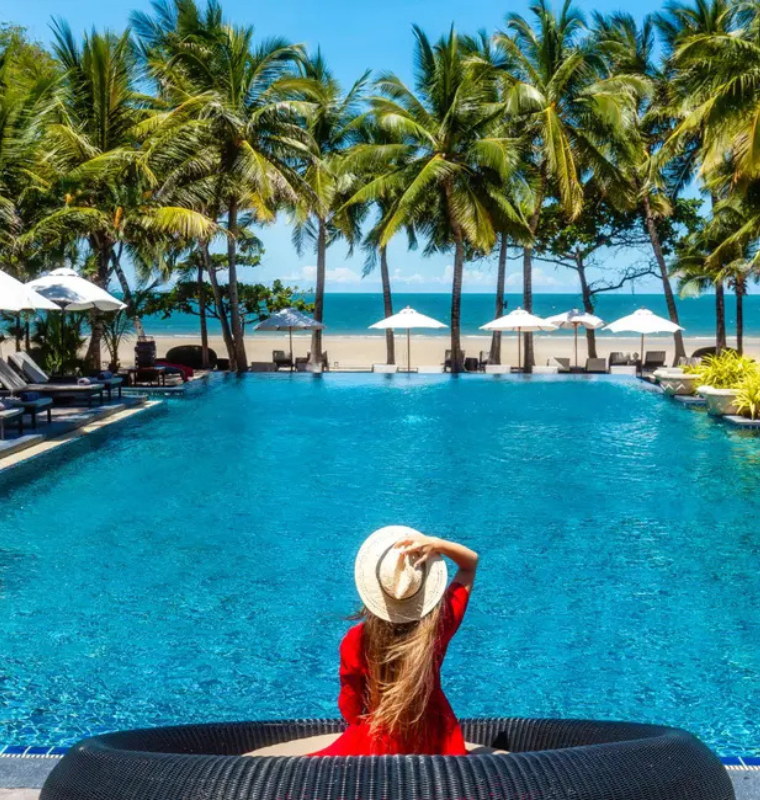
Instead of viewing luxury through the lens of permanent ownership, they are focusing on access. The ability to spend a month in Monaco, several weeks in Singapore, and part of the year in New York without the responsibilities attached to maintaining large properties has become increasingly attractive. Wealth today is being expressed through freedom of movement rather than physical permanence.
The Rise of the Global Lifestyle Portfolio
A global lifestyle portfolio functions much like a financial portfolio. Instead of placing all resources into a single category, affluent individuals diversify their living arrangements across multiple destinations, experiences, and memberships.
This strategy may include fractional ownership opportunities, luxury serviced residences, private clubs, premium travel memberships, and carefully selected properties in key international cities. The goal is not necessarily to accumulate more assets but to create a network of lifestyle options that can be activated whenever desired.
Such portfolios provide convenience while allowing wealthy individuals to remain connected to multiple business, cultural, and social ecosystems around the world.
Trophy Homes Are No Longer the Ultimate Symbol of Success
Trophy homes still possess undeniable appeal, but their role is changing. Owning a massive estate often requires significant maintenance, staffing, security, and ongoing operational expenses. For billionaires who spend substantial time traveling, these obligations can feel increasingly inefficient.
Many wealthy families now recognize that a property sitting empty for most of the year may not align with their modern priorities. Rather than acquiring larger homes, they are becoming more selective about where they invest in real estate and how frequently they intend to use those properties.
As a result, luxury is becoming less about size and more about strategic utility.
Private Aviation Supports the Mobile Wealth Movement
The expansion of private aviation has played a major role in enabling this transformation. Access to private jets allows wealthy individuals to move seamlessly between multiple residences, business centers, and leisure destinations.
What once required extensive planning can now be accomplished within hours. This mobility makes it possible to maintain meaningful connections across different countries without sacrificing convenience or productivity.
The ability to conduct meetings in one region and enjoy personal time in another has become an integral part of modern affluent lifestyles.
Experiences Are Becoming More Valuable Than Possessions
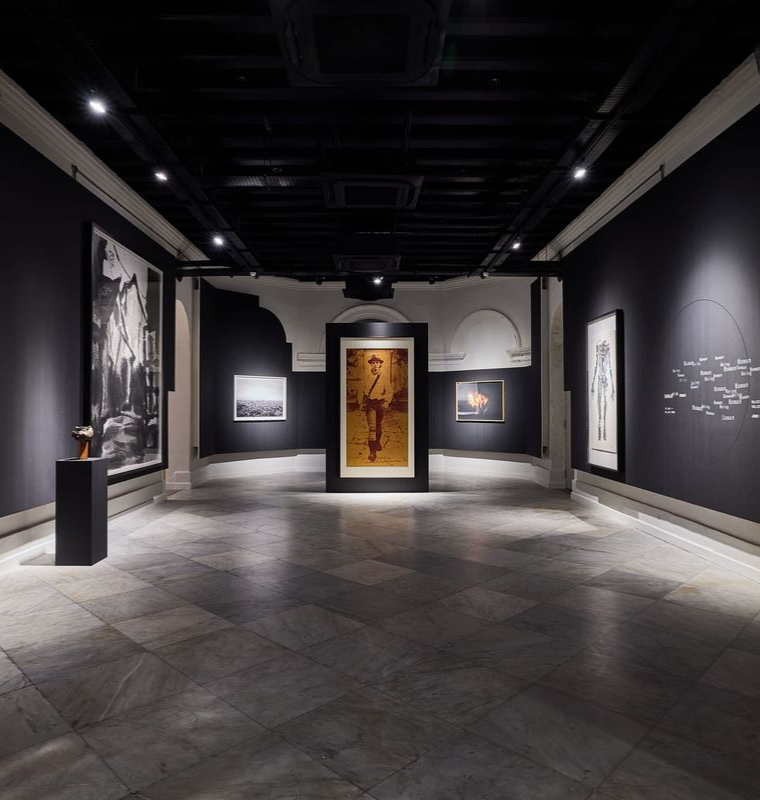
A growing number of wealthy individuals are directing their spending toward experiences rather than material acquisitions. Exclusive cultural events, private wellness retreats, bespoke travel itineraries, and invitation only gatherings are increasingly viewed as more valuable than adding another property to an already extensive portfolio.
This evolution reflects broader changes in how success is perceived. Experiences often create memorable stories, valuable relationships, and personal growth opportunities that physical assets alone cannot provide.
For many billionaires, the most meaningful luxury is no longer ownership but access to extraordinary moments.
Wealth Management Is Expanding Beyond Finance
Family offices and wealth advisors are adapting to these new preferences. Their responsibilities now extend far beyond traditional investment management. Many advisors help clients coordinate international residences, travel logistics, educational opportunities, healthcare arrangements, and lifestyle planning.
This holistic approach recognizes that preserving wealth involves more than generating financial returns. It also involves creating an environment that supports personal fulfillment, family objectives, and long term quality of life.
The result is a more integrated strategy that aligns financial resources with lifestyle ambitions.
Technology Makes Borderless Living Easier Than Ever
Technology has become one of the most powerful enablers of mobile wealth. Secure communication platforms, digital banking systems, virtual collaboration tools, and advanced property management services allow billionaires to oversee businesses and investments from virtually anywhere.
A wealthy entrepreneur can participate in board meetings from a luxury resort, monitor investment portfolios while traveling, and manage multiple residences through digital platforms. This level of connectivity reduces the need to remain tied to a single location.
As technology continues to evolve, borderless living becomes increasingly practical and appealing.
Younger Generations Are Driving the Trend
Many younger affluent individuals view luxury differently than previous generations. While they appreciate high quality real estate, they often place greater emphasis on flexibility, sustainability, and unique experiences.
This generation tends to prioritize mobility and global engagement. They are comfortable moving between countries, exploring emerging markets, and participating in international communities. Their lifestyle preferences are accelerating the shift away from traditional notions of wealth centered entirely on property ownership.
As wealth transfers to younger generations, these values are expected to influence luxury markets even further.
Luxury Brands Are Responding to Changing Expectations
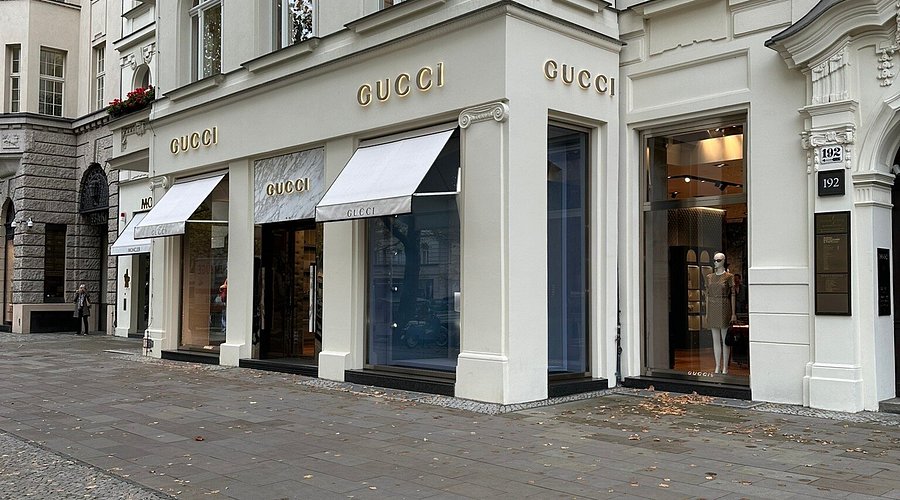
Luxury companies are actively adapting to meet the demands of this increasingly mobile clientele. Hospitality brands are creating residential programs, private membership networks are expanding globally, and concierge services are becoming more sophisticated.
Rather than selling products alone, luxury brands are offering ecosystems that provide convenience, exclusivity, and seamless experiences across multiple destinations. This approach aligns perfectly with the priorities of globally mobile wealthy individuals.
The emphasis is shifting from ownership to participation in carefully curated luxury environments.
The Future of Wealth Is Defined by Optionality
Perhaps the most important characteristic of the new wealthy lifestyle is optionality. Billionaires increasingly value the ability to choose where they live, work, travel, and spend their time without being constrained by a single location or asset.
This mindset represents a significant evolution in the definition of luxury. Wealth is no longer measured solely by what someone owns but by the opportunities available to them at any given moment.
As global connectivity continues to strengthen and lifestyle preferences evolve, the concept of the global lifestyle portfolio is likely to become an enduring feature of modern wealth culture. The era of the stationary billionaire is gradually giving way to a new model defined by mobility, flexibility, and access to the world itself.

Subscribe to unlock premium content
Sed at tellus, pharetra lacus, aenean risus non nisl ultricies commodo diam aliquet arcu enim eu leo porttitor habitasse adipiscing porttitor varius ultricies facilisis viverra lacus neque.
A comprehensive guide on Agile development

10 Productivity tools that are worth checking out
Top 7 Must have management tools for productivity

A comprehensive guide on Agile development
10 Productivity tools that are worth checking out
A comprehensive guide on Agile development