

Ultra Wealthy Shift Into Hard Assets as Gold and Luxury Collectibles Dominate 2026 Investment Portfolios
By
Maya K.
Last updated:
May 25, 2026
First Published:
May 25, 2026

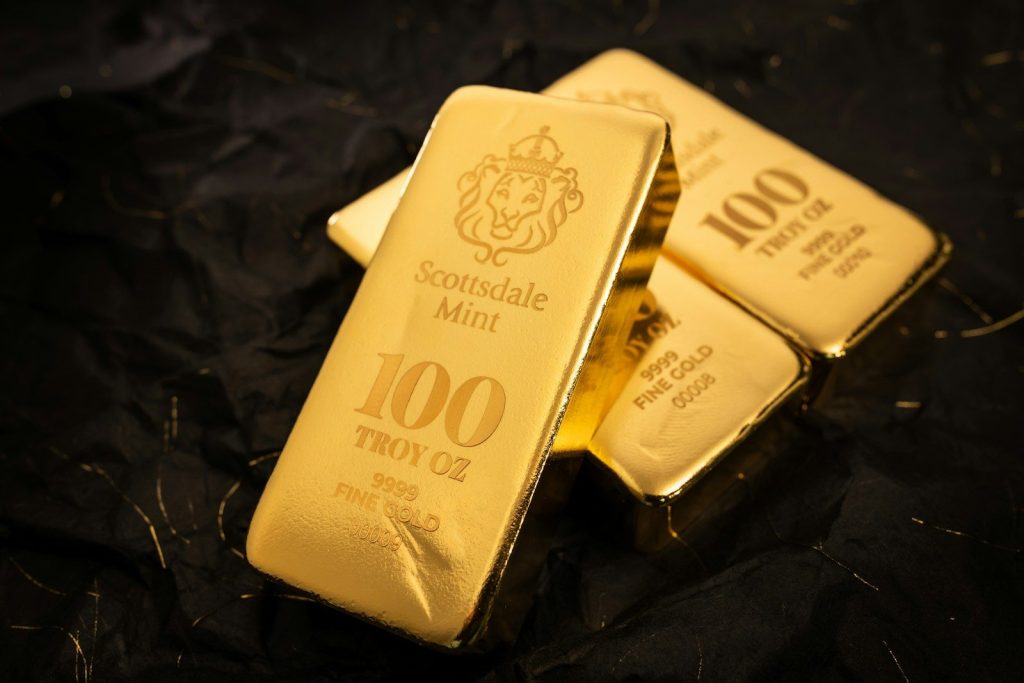
Photo: Due
The global wealth management landscape in 2026 is witnessing a pronounced shift toward hard assets as ultra high net worth individuals reposition portfolios away from purely digital or equity heavy exposure. Rising geopolitical uncertainty, fluctuating interest rate expectations, and uneven regional growth patterns have collectively driven renewed interest in tangible stores of value. Among these, gold and luxury collectibles have emerged as dominant allocation categories.
Wealth advisors report that high net worth investors are increasingly viewing physical assets as a hedge against financial system volatility. Unlike traditional securities, hard assets are perceived to retain intrinsic value even during prolonged market stress. This perception has strengthened demand for commodities such as gold, rare art pieces, vintage timepieces, and collectible automobiles.
Gold continues to occupy a central role in wealth preservation strategies. Its historical function as a monetary anchor has regained prominence as investors reassess portfolio resilience in the face of currency fluctuations. In many private wealth circles, gold is no longer treated as a defensive allocation alone but as a strategic anchor within diversified luxury portfolios.
Alongside precious metals, luxury collectibles have experienced a significant surge in institutional style investment interest. Rare art, limited edition watches, and heritage jewelry are now being analyzed with similar rigor to financial instruments. Auction houses and private dealers have reported increased participation from family offices and sovereign style investment entities.
A major factor driving this shift is the growing correlation between cultural value and financial value. Collectibles are no longer viewed solely as aesthetic acquisitions but as appreciating assets tied to scarcity, provenance, and global demand cycles. This evolution has transformed the collectibles market into a structured alternative asset class.
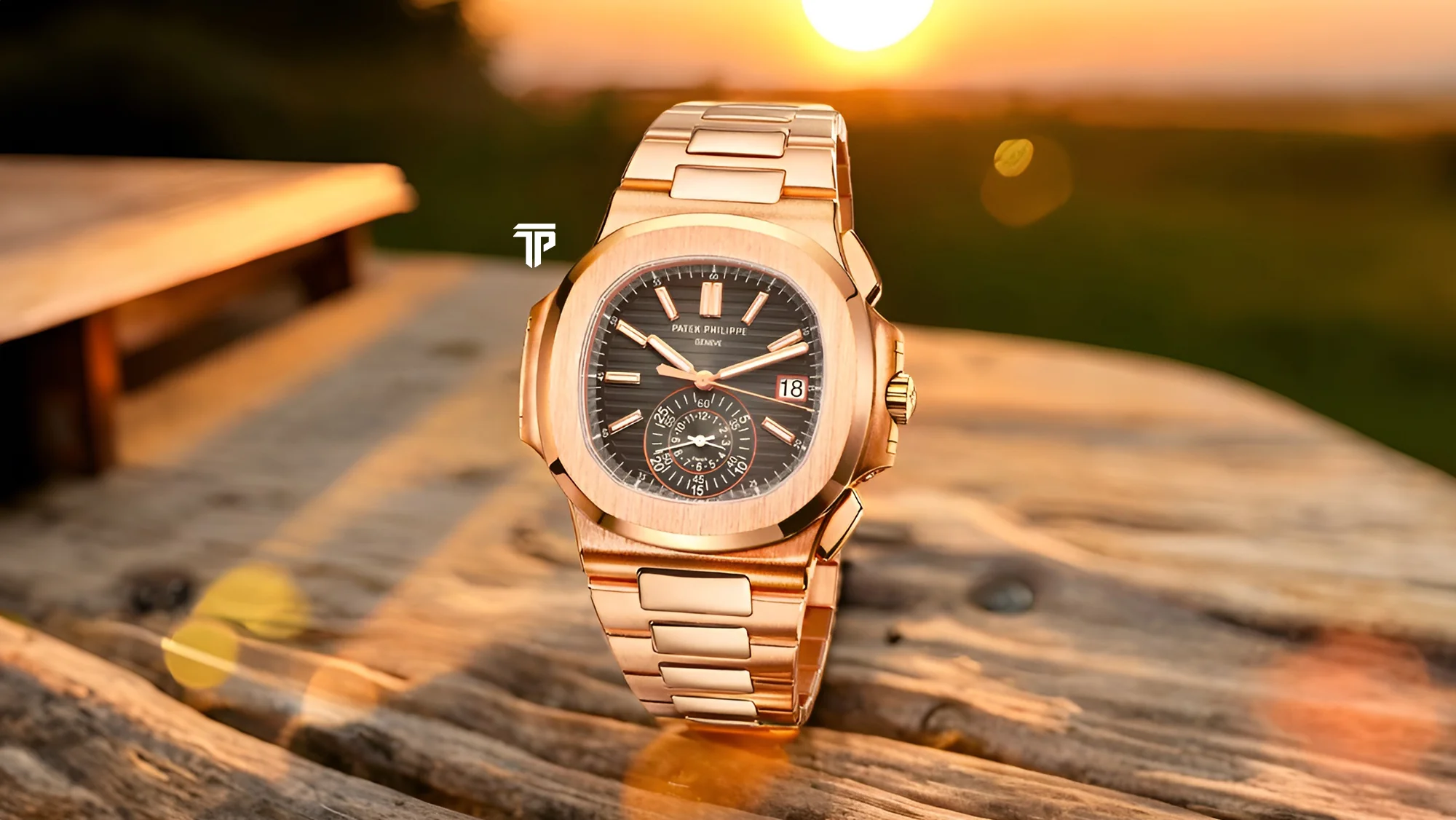
The luxury watch segment in particular has seen sustained demand from ultra wealthy buyers seeking portable and internationally recognized stores of value. Limited production models from established heritage manufacturers continue to command significant premiums in secondary markets, reinforcing the perception of watches as both status symbols and investment vehicles.
Real asset investment strategies are also being influenced by generational wealth transfer. Younger high net worth individuals often favor tangible assets that combine emotional value with financial appreciation potential. This behavioral shift has contributed to stronger demand for curated collectible portfolios that reflect personal identity as well as investment logic.
Institutional wealth managers note that diversification into hard assets is increasingly being framed as risk management rather than luxury consumption. In this context, gold provides macro level stability while collectibles offer asymmetric upside potential driven by rarity and cultural relevance. This dual structure is becoming a core component of modern private wealth planning.
Another important driver is the global mobility of wealth. As affluent individuals maintain assets across multiple jurisdictions, portable stores of value have become more attractive. Gold and high value collectibles can be transferred, stored, or liquidated across international markets with relative efficiency compared to traditional real estate or equity holdings.
Digital platforms have also expanded access to authenticated collectible markets. Blockchain based verification systems and digital provenance tracking have improved transparency, reducing historical concerns around authenticity. This technological integration has helped elevate collectibles from niche interest to structured investment category.
Ultimately, the dominance of hard assets in 2026 reflects a broader recalibration of risk perception among the ultra wealthy. Stability, portability, and cultural value are now weighted alongside traditional return metrics. As global financial conditions continue to evolve, gold and luxury collectibles are expected to maintain their position as foundational pillars of modern wealth architecture.


Subscribe to unlock premium content
Sed at tellus, pharetra lacus, aenean risus non nisl ultricies commodo diam aliquet arcu enim eu leo porttitor habitasse adipiscing porttitor varius ultricies facilisis viverra lacus neque.
A comprehensive guide on Agile development

10 Productivity tools that are worth checking out

Top 7 Must have management tools for productivity

A comprehensive guide on Agile development
10 Productivity tools that are worth checking out
A comprehensive guide on Agile development