

Wealthy Families Reduce Trophy Spending
By
Sophie Moore
Last updated:
January 14, 2026
First Published:
January 14, 2026

.webp)
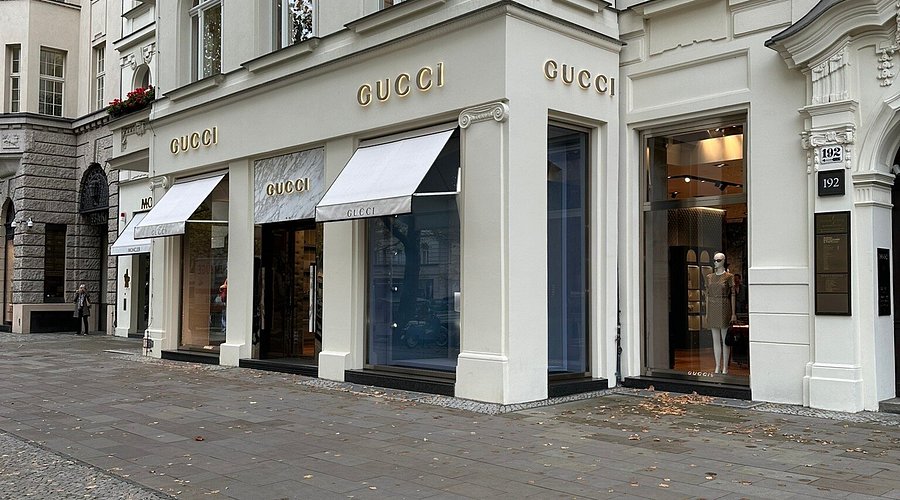
Photo: Bloomberg.com
A Noticeable Pullback from Excess
Among wealthy families a clear behavioral shift is taking place. Trophy purchases that once symbolized power and success are quietly disappearing from priority lists. Oversized estates rare supercars and headline making acquisitions are no longer central to elite identity. The move is not driven by lack of means but by a deliberate reassessment of value.
The Changing Meaning of Status
Status within elite circles is no longer defined by what is most visible. Recognition has shifted inward toward judgment restraint and self control. Families with significant wealth increasingly view overt consumption as outdated and unnecessary. Discretion communicates confidence in a way that spectacle no longer can.
Trophy Assets Lose Strategic Appeal
Trophy spending often ties up capital in illiquid assets that require attention maintenance and exposure. Wealthy families now question the strategic return of such ownership. Instead of admiration these assets can invite scrutiny risk and long term cost. Reducing such holdings offers flexibility without sacrificing comfort.
Cultural Pressure and Social Awareness
Rising economic inequality has reshaped public attitudes toward visible wealth. Families conscious of legacy are sensitive to how excess spending is perceived. By reducing conspicuous consumption they avoid social friction while aligning themselves with evolving cultural expectations of responsibility.
Privacy Becomes a Form of Power
Discretion allows wealthy families to operate without external noise. Private living arrangements limited public appearances and understated lifestyles create distance from public judgment. This distance preserves autonomy and reinforces internal social standing where subtle signals carry more weight than public admiration.
Generational Influence on Spending Choices
Younger family members often play a key role in redefining spending norms. Many are educated globally and exposed to broader social realities. They advocate for intentional allocation of wealth toward education health governance and family continuity rather than symbolic ownership.
Capital Moves Toward Control and Stability
Money once allocated to trophy purchases is increasingly redirected into structured investments. Family offices focus on governance resilience and intergenerational planning. Control over assets matters more than their visual impact. Stability replaces spectacle as the primary objective.
Luxury Redefined Through Experience and Access
Luxury still exists but in a quieter form. Private access tailored services and time flexibility define modern comfort. These benefits are not designed for display but for lived quality. The absence of attention is often intentional and valued.
Risk Management Drives Subtlety
High visibility spending can attract legal security and reputational risks. Discretion reduces exposure across all fronts. For families managing large complex estates minimizing attention is a rational protective strategy rather than a lifestyle trend.
The Long Term Impact on Wealth Culture
As trophy spending declines the broader luxury ecosystem will adapt. Brands built on visibility may struggle to engage this segment. Services focused on privacy personalization and trust will gain relevance. The definition of wealth will continue shifting from ownership to stewardship.



Subscribe to unlock premium content
Sed at tellus, pharetra lacus, aenean risus non nisl ultricies commodo diam aliquet arcu enim eu leo porttitor habitasse adipiscing porttitor varius ultricies facilisis viverra lacus neque.
A comprehensive guide on Agile development

10 Productivity tools that are worth checking out

Top 7 Must have management tools for productivity

A comprehensive guide on Agile development
10 Productivity tools that are worth checking out
A comprehensive guide on Agile development