
AI Millionaires Fuel Luxury Spending Boom as Elite Brands Target America’s New Wealth Class
By
John Carter
Last updated:
June 11, 2026
First Published:
June 11, 2026


Photo: Investopedia
The Rise of a New Wealth Elite
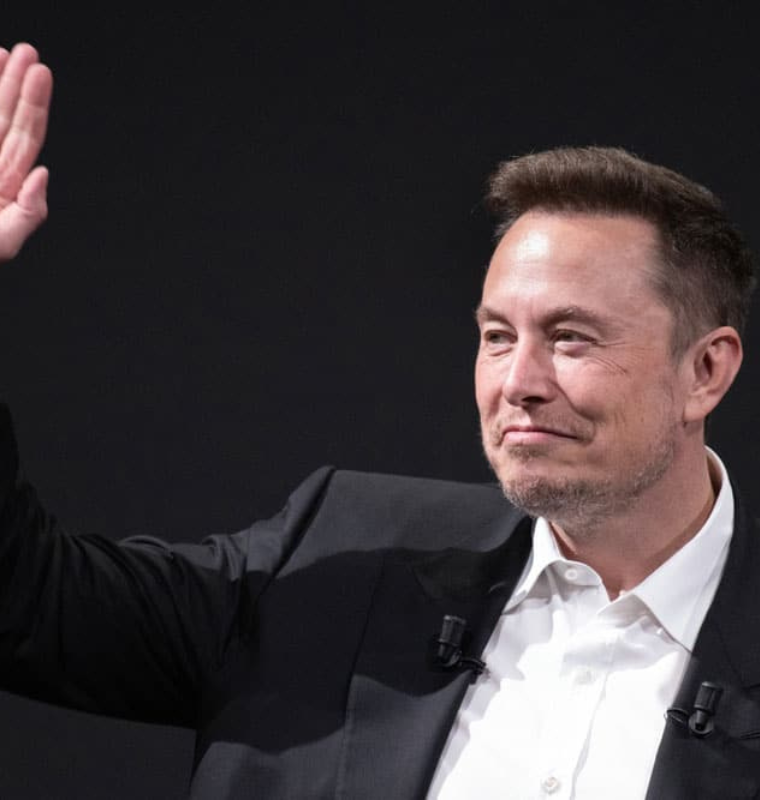
A profound shift is taking place within the world of luxury. For decades, elite spending was largely associated with traditional industries such as finance, real estate, manufacturing, and inherited family wealth. Today, a new class of affluent consumers is emerging from the rapidly expanding artificial intelligence sector. Entrepreneurs, engineers, startup founders, and early employees of successful AI companies are generating unprecedented levels of wealth, creating a fresh wave of luxury consumers with unique preferences and spending habits.
The rise of artificial intelligence has created one of the fastest wealth creation cycles in modern economic history. Individuals who were relatively unknown just a few years ago are now finding themselves among the highest earners in the country. Many of these professionals accumulated substantial equity stakes in AI startups that experienced explosive growth, transforming stock options into life changing fortunes almost overnight.
Luxury Spending Reaches New Levels
As wealth accumulates, spending patterns naturally evolve. Luxury brands across multiple sectors are reporting growing interest from technology professionals who have recently entered the ranks of high net worth individuals. Unlike previous generations of wealthy consumers, these buyers often combine a strong appreciation for innovation with a desire for premium experiences.
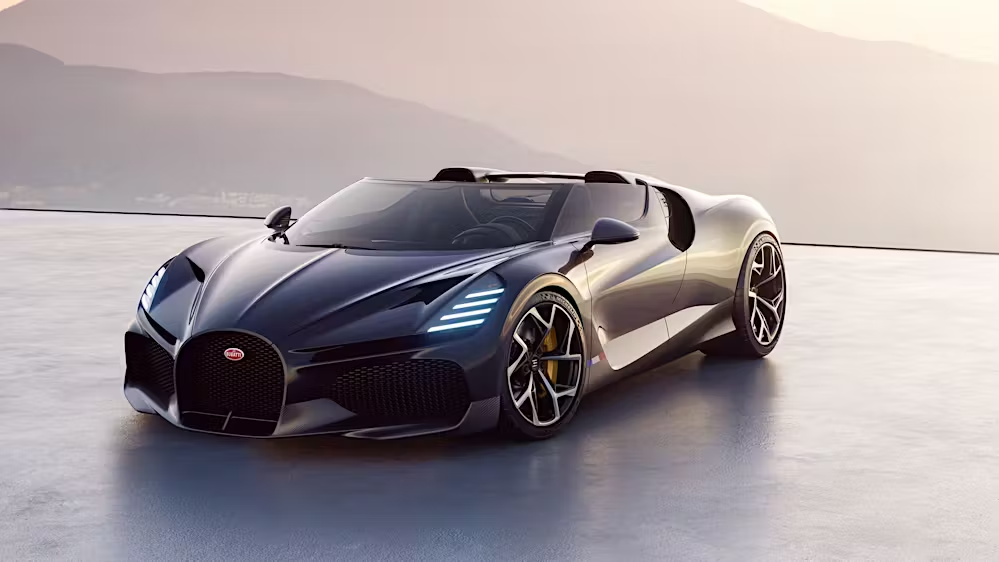
The result is a surge in demand for luxury products ranging from custom homes and private aviation services to exclusive travel packages and high end fashion collections. Wealth generated through artificial intelligence is not merely increasing spending. It is reshaping what luxury means and how affluent consumers choose to express success.
Technology Wealth Is Different
One of the most fascinating aspects of this emerging wealth class is its distinctive mindset. Traditional wealthy consumers often valued legacy, heritage, and exclusivity. While those qualities remain important, AI entrepreneurs frequently seek products and experiences that align with innovation, efficiency, and personalization.
Luxury brands are increasingly recognizing that this audience values intelligent services, seamless digital integration, and highly customized offerings. A luxury purchase is no longer judged solely by craftsmanship or prestige. It is also evaluated based on convenience, personalization, and technological sophistication.
Real Estate Becomes a Preferred Asset
Among newly wealthy AI professionals, luxury real estate remains one of the most attractive destinations for capital. Prime properties in major metropolitan areas continue to attract buyers who seek both lifestyle benefits and long term asset appreciation.
Developers are responding by creating residences equipped with advanced smart home systems, integrated security platforms, wellness technologies, and personalized environmental controls. These features appeal directly to buyers whose careers were built around technological innovation and who expect the same level of sophistication in their personal lives.
In some regions, luxury neighborhoods are experiencing heightened competition as AI generated wealth increases demand for premium housing. Buyers are willing to pay substantial premiums for privacy, security, and access to exclusive communities.
Private Travel Experiences Gain Momentum
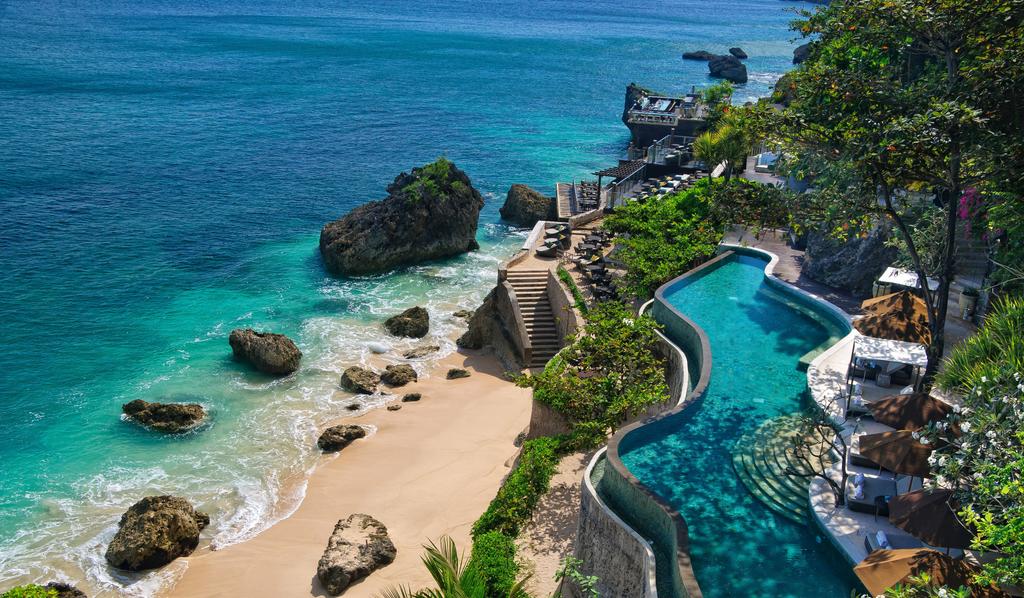
Travel has emerged as another major beneficiary of the AI wealth boom. Newly affluent consumers are increasingly prioritizing experiences over material possessions. Private aviation, luxury yacht charters, bespoke international journeys, and invitation only events are becoming highly sought after.
Many wealthy technology professionals maintain demanding schedules and place exceptional value on time efficiency. Private travel solutions offer convenience while also delivering the exclusivity that affluent consumers expect. This combination has fueled growing demand for premium travel services throughout 2026.
Luxury travel operators are responding by designing highly personalized itineraries that combine adventure, privacy, wellness, and cultural immersion. These experiences often reflect the preferences of clients who seek meaningful memories rather than traditional status symbols.
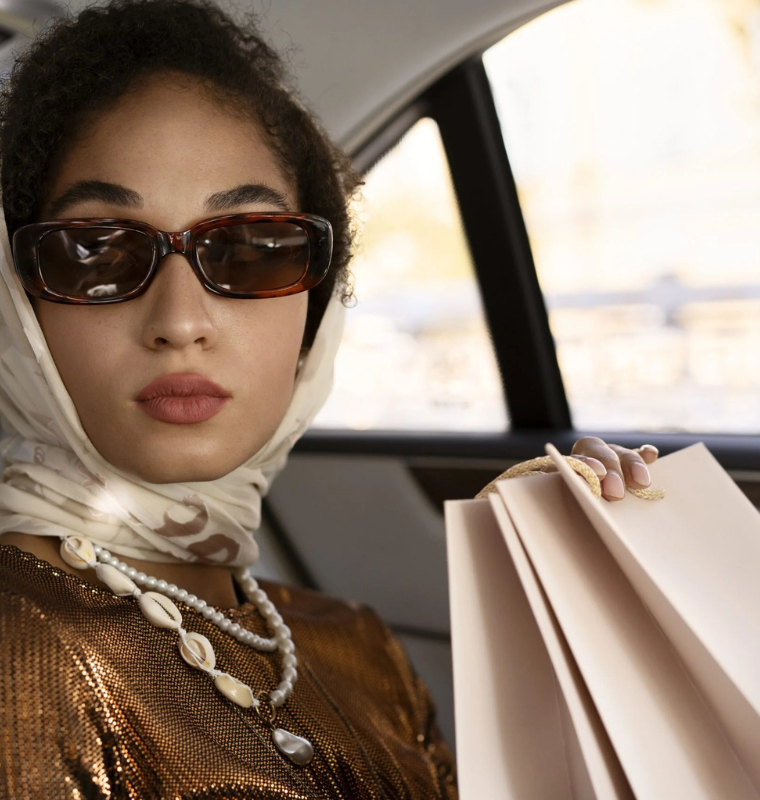
Fashion Brands Adapt to New Consumer Expectations
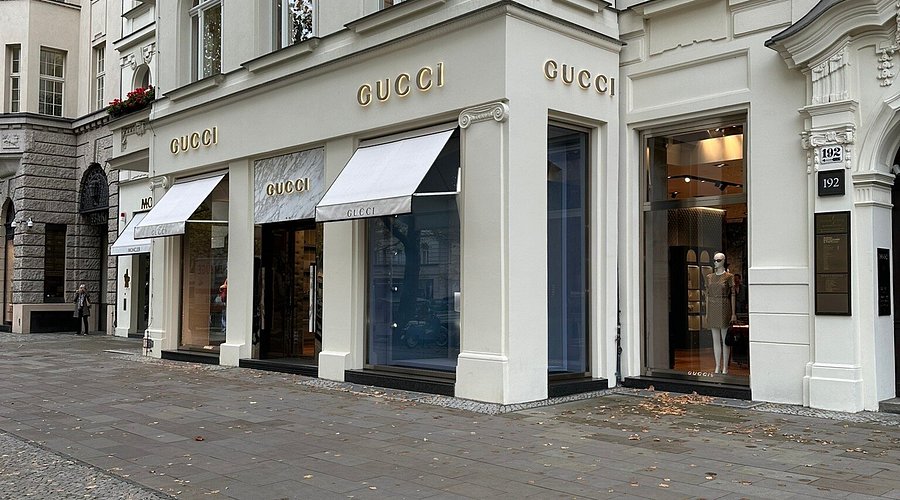
The luxury fashion industry is also evolving to attract this expanding demographic. While established luxury houses continue to emphasize craftsmanship and heritage, many are introducing modern elements that resonate with technology focused buyers.
Clean design, sustainability initiatives, digital engagement platforms, and personalized shopping experiences are becoming increasingly important. Luxury consumers emerging from the AI industry often appreciate understated sophistication rather than overt displays of wealth.
This preference is encouraging fashion brands to rethink product development and customer engagement strategies. Rather than focusing solely on visibility and prestige, brands are emphasizing authenticity, innovation, and exclusivity.
Personalized Services Become Essential
One defining characteristic of the new wealth class is a strong preference for customization. Wealthy AI professionals often expect services tailored precisely to their individual needs and lifestyles.
Luxury service providers are investing heavily in personalization capabilities. From private banking and wealth management to concierge services and wellness programs, customization is becoming a key competitive advantage.
Artificial intelligence itself is playing a role in this transformation. Advanced data analysis allows luxury companies to understand customer preferences more deeply and deliver experiences that feel uniquely crafted for each individual.
The Competition for New Wealth Intensifies
Luxury brands understand that capturing the attention of newly wealthy consumers today can lead to decades of customer loyalty. As a result, competition is becoming increasingly intense.
Companies across the luxury sector are expanding marketing efforts aimed at technology entrepreneurs and startup executives. Exclusive networking events, invitation only experiences, private showcases, and personalized relationship management strategies are becoming more common.
The objective is not simply to make a sale. It is to establish a long term connection with consumers whose wealth may continue to grow dramatically in the coming years.
Economic Impact Extends Beyond Luxury
The influence of AI generated wealth extends far beyond luxury boutiques and premium travel providers. Increased spending supports a wide range of industries including hospitality, real estate, financial services, construction, and entertainment.
As affluent consumers invest in businesses, purchase properties, and participate in the broader economy, their spending creates ripple effects that benefit multiple sectors. The emergence of this wealth class is becoming an important driver of economic activity in several major regions.
Cities with strong artificial intelligence ecosystems are particularly well positioned to benefit from these trends. As wealth concentrates in technology hubs, local luxury markets continue to expand and evolve.
The Future of Wealth and Luxury
The relationship between artificial intelligence and wealth creation is still in its early stages. Industry observers believe that the next several years could produce even more high net worth individuals as AI adoption accelerates across global markets.
Luxury brands that successfully understand and adapt to this audience will be better positioned for long term growth. The consumers shaping the future of luxury are technologically sophisticated, globally connected, and increasingly influential.
As artificial intelligence continues to transform industries, it is also transforming lifestyles. A new generation of affluent consumers is emerging with different values, different expectations, and different definitions of success. Their spending habits are already reshaping luxury markets, and their influence is likely to grow significantly in the years ahead.
A New Era Begins
The luxury industry has always evolved alongside major economic shifts. Today, artificial intelligence represents one of the most powerful forces driving wealth creation in the modern era. The rise of AI millionaires is not simply another business story. It is the beginning of a broader transformation that is redefining how wealth is earned, spent, and experienced.
For luxury brands, adapting to this new reality is no longer optional. It is essential. The consumers shaping tomorrow’s luxury market are arriving today, bringing with them fresh expectations, enormous purchasing power, and a vision of success that reflects the digital age.
Subscribe to unlock premium content
Sed at tellus, pharetra lacus, aenean risus non nisl ultricies commodo diam aliquet arcu enim eu leo porttitor habitasse adipiscing porttitor varius ultricies facilisis viverra lacus neque.
A comprehensive guide on Agile development

10 Productivity tools that are worth checking out
Top 7 Must have management tools for productivity

A comprehensive guide on Agile development
10 Productivity tools that are worth checking out
A comprehensive guide on Agile development