
Bio-Optimisation is the New Birkin: Longevity Spending Overtakes Fashion as the Ultimate Status Symbol
By
Sophie Moore
Last updated:
March 23, 2026
First Published:
March 23, 2026


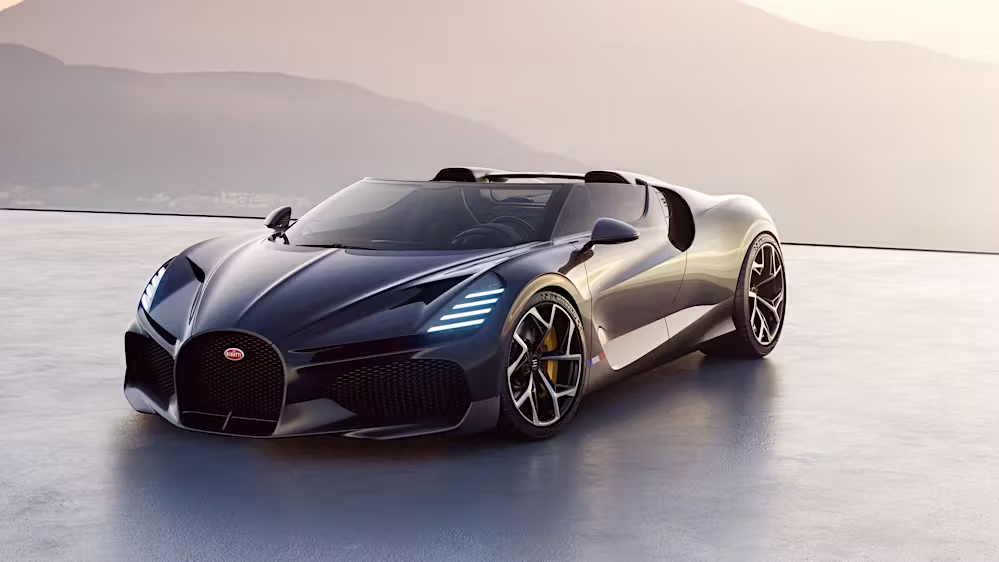
Photo: South China Morning Post
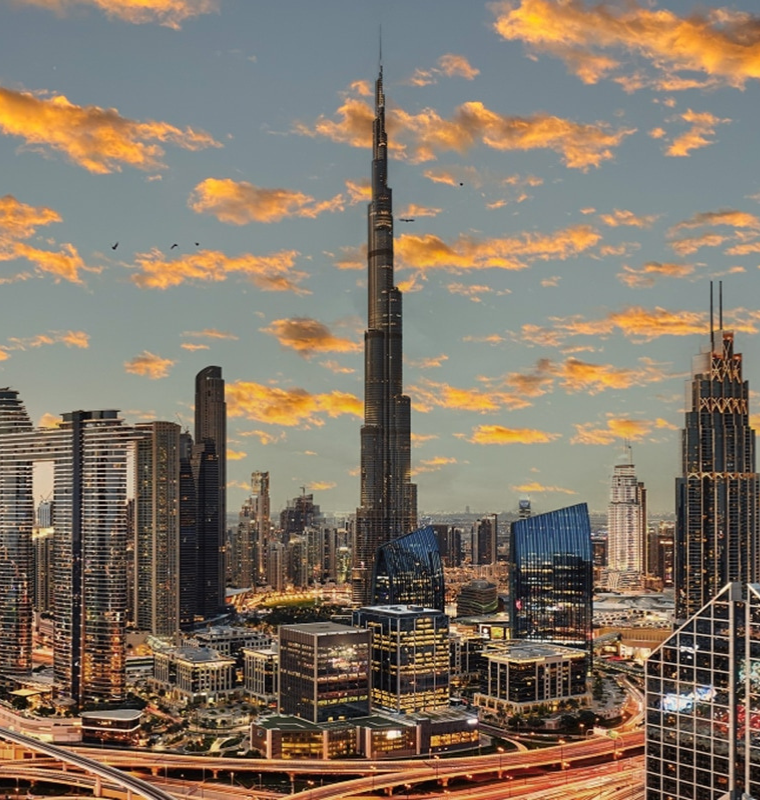
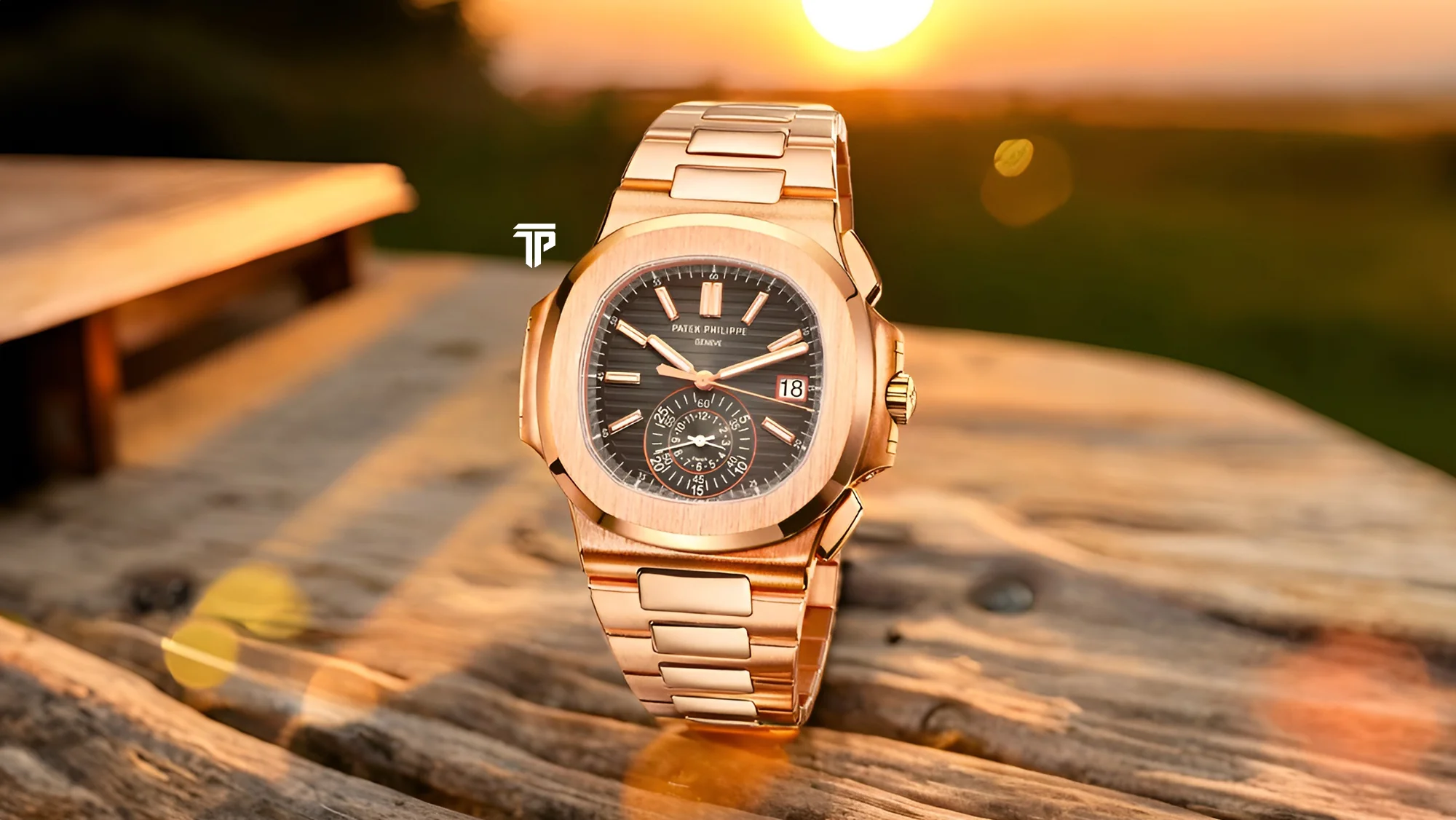
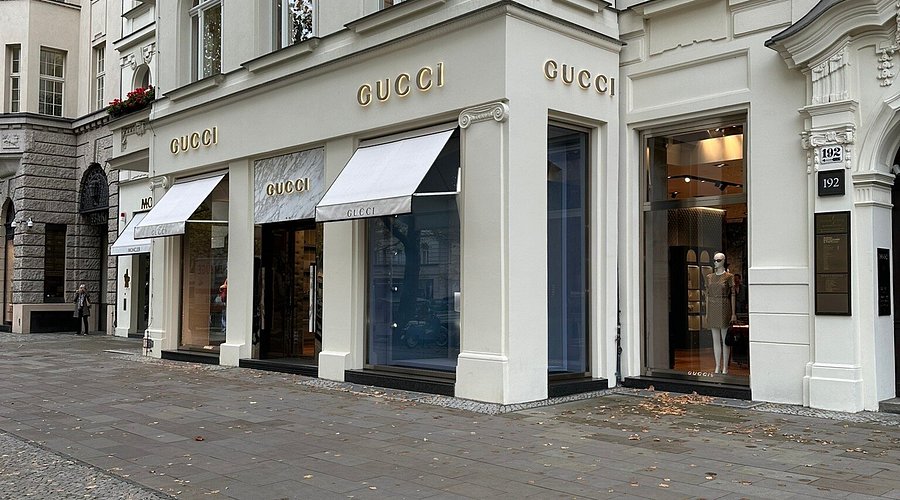
In the upper echelons of global wealth, a profound shift has occurred that is redefining the very concept of a status symbol. For decades, the primary markers of success were external: a limited edition handbag, a rare supercar, or a front row seat at a Parisian runway show. However, as we move through 2026, the elite are increasingly diverting their capital away from "conspicuous consumption" and toward "intentional longevity." The goal is no longer just to look wealthy, but to possess the one thing that money has historically struggled to buy: more time. This movement, often referred to as bio-optimisation, has transformed health from a private concern into the ultimate luxury asset, where a pristine biological age is more impressive than a closet full of designer labels.
Why Longevity is the Most Exclusive Club in the World
The allure of the longevity market lies in its inherent difficulty. While anyone with a sufficient bank balance can purchase a luxury watch, achieving peak biological performance requires a combination of massive financial investment, disciplined lifestyle choices, and access to experimental science. This creates a new kind of social hierarchy based on "vitality markers." In certain circles, discussing ones latest epigenetic clock results or cellular rejuvenation protocol has replaced talk of real estate acquisitions. The exclusivity is driven by the fact that these treatments are often personalized to the individuals specific genetic makeup, making the "product" literally unique to the owner and impossible to replicate.
Personalized Medicine and the Rise of the Biological Bespoke
We are seeing a move toward what experts call "biological bespoke" services. This involves deep genomic sequencing and real time biometric monitoring that allows for a level of precision medicine previously unavailable to the public. High net worth individuals are now employing private "longevity architects" who design every aspect of their lives—from the specific amino acid profiles in their meals to the exact wavelength of light in their bedrooms—to optimize for healthspan. This is not about treating illness; it is about "upgrading" the human body to function at its highest possible level for as long as possible, turning the aging process itself into a choice rather than an inevitability.
The Home as a High Tech Wellness Sanctuary
The pivot toward longevity is also physical, manifesting in the way the wealthy are designing their living spaces. The 2026 luxury home is no longer just a place of comfort; it is a fully integrated wellness laboratory. "Life infrastructure" has become the primary focus of high end renovations, with homeowners installing medical grade air purification systems, circadian rhythm lighting, and advanced sensory design elements meant to reduce cortisol levels. Bathrooms have evolved into private spas featuring infrared saunas and cold plunge tubs, while kitchens are outfitted with smart appliances that track the nutritional density of every ingredient. The home has become a sanctuary designed to protect the inhabitants from the biological stressors of the modern world.
Reallocating the Luxury Budget From Performative to Private
Market data shows a significant trend of "budget reallocation" among the world’s high earners. Spending on traditional luxury goods like fashion and accessories is stabilizing or even declining in some regions, while investment in high tech wellness is seeing double digit growth. This reflects a desire for luxury that is private rather than performative. For the readers of RichReflector, there is an increasing sense that true power is the ability to maintain mental clarity and physical energy well into ones eighties and nineties. A designer suit looks good, but a body that functions with the efficiency of someone twenty years younger is seen as the far more valuable and "impressive" investment in 2026.
The Gender Shift in the Longevity Economy
Interestingly, the longevity market is also seeing a massive influx of female investors who are demanding their own "lane" in the science of aging. For years, the biohacking scene was dominated by men focused on productivity and physical strength. Now, women are spearheading a movement focused on hormonal health, skin longevity, and regenerative medicine. This has led to a boom in luxury longevity clinics tailored specifically for women, offering everything from advanced ovarian reserve testing to customized hormone replacement therapies. This shift ensures that the pursuit of a longer life is being approached with a level of nuance and sophistication that reflects the diverse needs of the entire high net worth population.
The Social Component of Shared Longevity Rituals
Longevity is also becoming a social endeavor. Private members clubs are pivoting their offerings from fine dining and cigars to social saunas, group meditation sessions, and "bio-optimized" networking events. The wealthy are seeking out communities where their health goals are supported and mirrored by their peers. This has created a new type of "wellness tourism" where the itinerary is focused entirely on sleep optimization, mindful movement, and diagnostic retreats. These shared rituals are replacing the traditional cocktail party as the primary way for the elite to connect, reinforcing the idea that a commitment to health is a shared value among the worlds most successful people.
Diagnostics as a Routine Lifestyle Choice
In the past, diagnostic testing was something done once a year during a physical or when a symptom appeared. For the bio-optimized elite of 2026, diagnostics are a weekly or even daily occurrence. Wearable technology has advanced to the point where it can provide continuous data on everything from blood glucose levels to heart rate variability. This data is then interpreted by private coaches and AI systems to make real time adjustments to the individuals routine. Being "in the know" about ones own internal metrics is now a standard part of a high net worth lifestyle, providing a sense of control and empowerment that is deeply satisfying to high achievers.
The Ethical and Philosophical Dimensions of Extended Life
As the gap between the healthspan of the wealthy and the general population widens, new ethical questions are beginning to surface. The ability to "buy" a longer, healthier life is perhaps the ultimate form of inequality. However, proponents argue that the innovations funded by the early adopters of longevity technology will eventually trickle down to the rest of society, much like high end automotive safety features or early computing technology. For the individual investor, the focus remains on the personal and familial legacy. Being healthy enough to see ones great grandchildren grow up and to continue contributing to ones business or philanthropic endeavors is a powerful motivator that transcends simple vanity.
Looking Ahead to a Future of Ageless Success
As we look toward the future, the "Birkin era" of luxury is being replaced by the "Biotech era." The pursuit of longevity is not a passing trend; it is a fundamental shift in how human beings value their time and their bodies. For the RichReflector audience, the message is clear: the most important asset you will ever manage is your own biology. By investing in bio-optimisation today, you are not just buying a longer life; you are securing the quality of every moment you have. In a world of fleeting trends and digital noise, the quiet strength of a healthy, optimized body is the only status symbol that truly matters and the only one that stays with you forever.
Subscribe to unlock premium content
Sed at tellus, pharetra lacus, aenean risus non nisl ultricies commodo diam aliquet arcu enim eu leo porttitor habitasse adipiscing porttitor varius ultricies facilisis viverra lacus neque.
A comprehensive guide on Agile development

10 Productivity tools that are worth checking out

Top 7 Must have management tools for productivity

A comprehensive guide on Agile development
10 Productivity tools that are worth checking out
A comprehensive guide on Agile development