
The Rise of the 'Invisible Elite': Why Off-Market Transactions Now Dominate Trophy Real Estate
By
Sophie Moore
Last updated:
March 23, 2026
First Published:
March 23, 2026


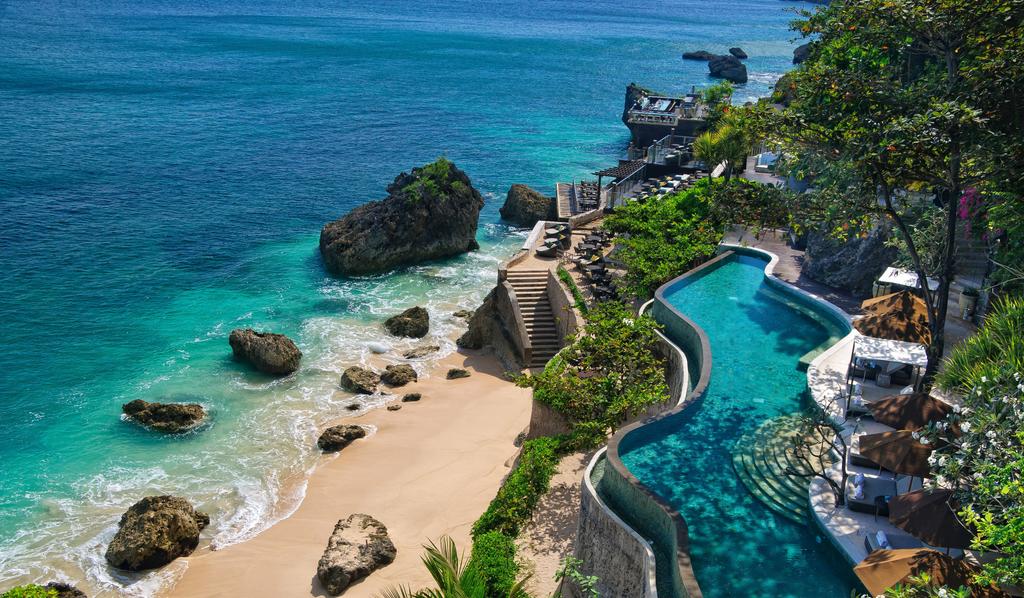
Photo: Medium
In the highest echelons of the 2026 property market, the most significant transactions are no longer found on public databases or glossy real estate portals. A profound structural shift has occurred where "discretion is the new luxury," leading to a surge in off-market deals—often referred to as "pocket listings" or "whisper listings". For the ultra-wealthy, the act of listing a home publicly is increasingly seen as a security risk and an unnecessary invasion of privacy. In elite enclaves like Aspen and Palm Beach, nearly a third of all high-value transactions now happen behind closed doors, accessible only to a tiny circle of vetted buyers and their most trusted advisors.
The End of the "Digital Open House" for the Ultra-High-Net-Worth
The modern billionaire is moving away from the era of "conspicuous ownership" and toward a strategy of total seclusion. Public listings often require high-quality photography and virtual tours that expose the internal layouts, security features, and private collections of a home to anyone with an internet connection. In 2026, this level of exposure is viewed as a liability. By choosing off-market transactions, sellers can ensure that only pre-qualified individuals with a verified net worth ever step foot on the property. This "velvet rope" approach to real estate transforms the selling process from a public spectacle into a private, highly controlled negotiation.
Aspen: A Case Study in the Structural Feature of Discretion
Aspen has become the global capital of the off-market culture, where "discretion is a feature, not a bug". Recent data indicates that off-market deals account for approximately thirty five percent of the single-family dollar volume in the region, representing hundreds of millions of dollars in "invisible" wealth transfer. In this mountain sanctuary, the most coveted assets—such as ski-in, ski-out estates or properties with protected view corridors—rarely ever hit the Multiple Listing Service. For a RichReflector reader looking to buy in Aspen, success in 2026 depends entirely on "relationships and readiness" rather than refresh rates on a search filter.
Palm Beach and the $2 Billion Year of Stability
Palm Beach recently closed a monumental year with over two billion dollars in single-family sales, reinforcing its status as one of the most resilient luxury markets in the world. While the volume of transactions is staggering, the "top ten percent" of these sales have seen median pricing surge by nearly forty five percent year-over-year. Many of these record-breaking deals, such as the ninety seven million dollar record set in North Palm Beach, are driven by buyers who prioritize "enclave scarcity" and the security of gated communities. The market here has moved from pandemic-era speculation to a phase of disciplined, long-term demand where the most expensive homes are often those that never officially went "up for sale".
Why "Pocket Listings" Are a Strategic Hedge for Sellers
Beyond privacy, there is a clear financial logic to the off-market strategy. Sellers use whisper listings to "test" aggressive pricing without the risk of public failure. If a property sits on the public market for too long, it develops a "stale" reputation that can lead to significant price cuts. By keeping the listing private, a seller can maintain the allure of exclusivity and wait for the perfect buyer who is willing to pay a premium for a "once-in-a-lifetime" opportunity. This allows the ultra-wealthy to treat their real estate like a private equity asset, where the value is determined by its rarity and the specific needs of a niche group of investors.
The Role of the "Super-Broker" in the Invisible Market
As the public marketplace fractures, the role of the luxury real estate agent is evolving into that of a high-level matchmaker. Top-tier brokerages are increasingly moving toward "exclusive listing strategies" where they market properties only within their own global networks of high-net-worth clients. This creates a "reverse network effect" where the most valuable information is siloed within a few elite firms. To navigate this landscape, buyers must be represented by agents who have "ear-to-the-ground" access to these quiet listings, turning the real estate professional into a gatekeeper of the world's most exclusive neighborhoods.
Security Features as the New Standard for 2026 Trophy Homes
The demand for off-market deals is closely linked to an obsession with physical security. Over eighty percent of luxury buyers are now requesting homes with purpose-built safe rooms, advanced surveillance systems, and biometric access. Many of the most expensive sales in 2025 and 2026 have involved "low-density compounds" where the architecture itself is designed to provide "eco-privacy" and self-sufficiency. Buyers are no longer just looking for a beautiful view; they are looking for a "fortress of wellness" that allows them to remain entirely unseen by the outside world.
The Impact of Off-Market Deals on Market Transparency
The rise of the "invisible elite" is creating a transparency crisis in the broader real estate market. Because these multi-million dollar transactions happen away from public eyes, it becomes increasingly difficult for appraisers and analysts to determine the "true" value of a neighborhood. This can lead to skewed "comparable sales" data, where the public record only shows the "average" homes while the "trophy" homes remain hidden. For the savvy investor, this lack of transparency is actually an advantage, as it rewards those with the best connections and the deepest understanding of local "micro-markets".
Hyper-Personalization and the Death of the Cookie-Cutter Mansion
In 2026, the elite are rejecting "mass-produced" luxury in favor of authentic character and move-in readiness. The most successful off-market deals involve homes that are "no-compromise" assets, often sold fully furnished and styled by world-renowned designers. Buyers at this level have zero interest in renovations; they want a "turnkey" lifestyle that is as effortless as it is exclusive. This preference for "ready-to-occupy" luxury is driving a surge in the price of homes that offer unique layouts and genuine materials, further separating the top five percent of the market from the rest.
Looking Ahead: The Future of the Sovereign Homeowner
As we look toward the end of the decade, the trend of private, off-market real estate is expected to become the permanent standard for the world's wealthiest individuals. Privacy is no longer just a byproduct of being rich; it has become the defining characteristic of wealth itself. For the readers of RichReflector, the message is clear: if you can see a property on a public website, it probably isn't the most exclusive asset on the block. The true "trophy" homes of 2026 are found in the shadows, traded in quiet rooms between people who value their peace of mind more than any amount of public recognition.


Subscribe to unlock premium content
Sed at tellus, pharetra lacus, aenean risus non nisl ultricies commodo diam aliquet arcu enim eu leo porttitor habitasse adipiscing porttitor varius ultricies facilisis viverra lacus neque.
A comprehensive guide on Agile development

10 Productivity tools that are worth checking out
Top 7 Must have management tools for productivity

A comprehensive guide on Agile development
10 Productivity tools that are worth checking out
A comprehensive guide on Agile development