
'Smart Luxury' in the Age of Limits: Fractional Ownership Gains Ground in High Interest Markets
By
Sophie Moore
Last updated:
March 23, 2026
First Published:
March 23, 2026


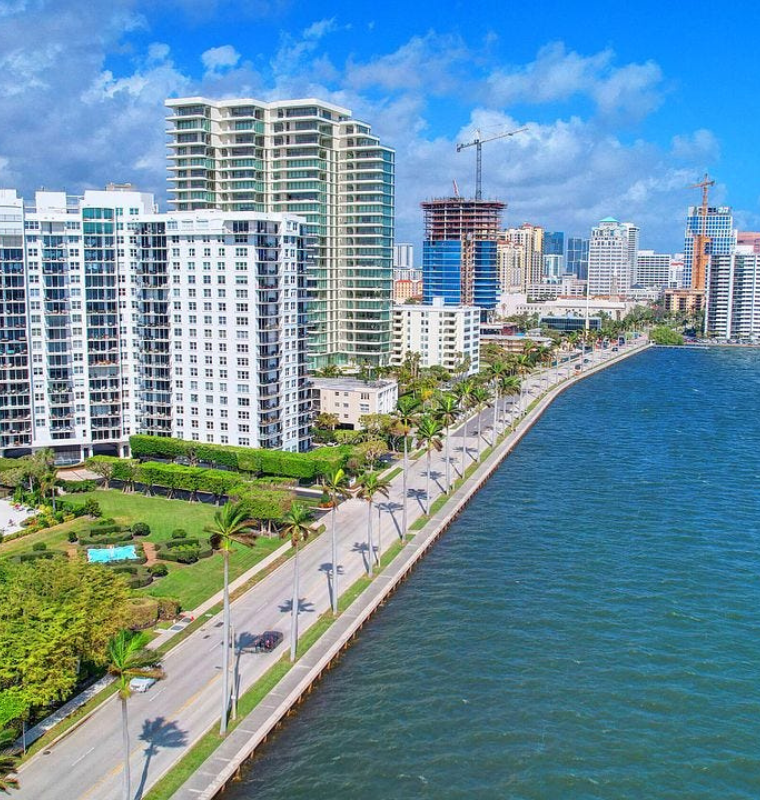
Photo: Squarea Consulting
The definition of a "power move" in the luxury world has undergone a quiet but significant shift this year. While owning a hundred foot yacht or a sprawling beachfront estate outright was once the ultimate status symbol, the economic climate of 2026 has introduced a new metric for success: capital efficiency. As central banks maintain a "Year of Limits" with elevated interest rates, even high income households are re-evaluating the logic of tying up massive amounts of liquidity in depreciating or underutilized lifestyle assets. This has led to the rapid rise of "Smart Luxury," a model where the elite opt for fractional ownership—typically taking a one eighth or one fourth deeded equity stake—to enjoy the perks of a top tier lifestyle without the full financial or operational burden.
The End of the "Albatross Asset" and the Rise of Deeded Equity
For years, the dirty secret of the ultra wealthy was the "albatross asset"—the private jet that sits in a hangar or the vacation home that remains empty ten months of the year while racking up millions in maintenance and staffing costs. Fractional ownership in 2026 is fundamentally different from the timeshares of the past; it involves actual legal ownership of the asset. By splitting the purchase price and ongoing expenses among a small group of vetted co-owners, individuals can reduce their holding and financing costs by up to 80%. For the readers of RichReflector, this is not about "affordability" in the traditional sense, but about the intelligence of "smarter math," allowing them to keep more capital liquid for high growth investments like AI or private equity.
Navigating High Interest Rates with Asset Light Strategies
The surge in interest rates has made the "cost of carry" a primary concern for modern wealth managers. Financing a twenty million dollar yacht today is exponentially more expensive than it was just a few years ago. Fractional models act as a natural hedge, allowing buyers to enjoy the same level of luxury while limiting their exposure to debt. This asset light approach is particularly popular in "safe haven" markets like Queensland, Australia, or the Mediterranean, where tangible assets are viewed as a reliable store of value amidst global geopolitical volatility. The wealthy are essentially "right-sizing" their portfolios, ensuring that their lifestyle choices support, rather than drain, their long term financial goals.
The Convenience Revolution: Outsourcing the Headache of Ownership
One of the most compelling drivers of the fractional movement is the desire to reclaim time. Sole ownership requires a constant stream of decisions regarding crew management, emergency repairs, and property taxes. In 2026, fractional platforms provide a turnkey, fully managed experience where a professional company handles every operational detail. Owners simply use a secure app to book their time, arrive to a perfectly prepared environment, and depart without a second thought. This "plug and play" luxury is perfect for the modern executive who values frictionless experiences over the "pride" of managing a complex personal infrastructure.
Private Aviation as the Blueprint for Fractional Success
The private aviation sector has long been the leader in this space, with companies like NetJets seeing record demand in 2026. Fractional jet ownership has grown by over 65% since 2019, as the "frugal wealthy" realize that owning a sixteenth of a jet provides nearly the same utility as owning the entire aircraft, but at a fraction of the cost. With annual operating costs typically reaching 10% of a jet's total value, the fractional model allows owners to pay only for the hours they fly, while still enjoying 100% bonus depreciation benefits in certain jurisdictions. This proven success in the skies is now being mirrored on the water and in luxury real estate.
The Changing Face of the Yachting Industry
On the water, the superyacht market is embracing fractional shares to combat the soaring costs of maritime labor and fuel. While the market for vessels over 60 meters remains robust, the 24 to 45 meter segment has seen a massive shift toward shared ownership. Younger high net worth individuals, who prioritize experiential depth over the static possession of an asset, are the primary drivers of this trend. They see no reason to own 100% of a boat they use for only three weeks a year, preferring instead to diversify their "lifestyle portfolio" across multiple vessels in different parts of the world.
Real Estate and the Deeded Share Model
In the real estate sector, platforms like Pacaso and Copay have normalized the idea of co-owning a multi million dollar second home. These are not "club memberships" but actual real estate transactions where the buyer receives a deed. This provides the same potential for capital appreciation as sole ownership, but with a significantly lower entry point. In high demand areas where inventory is structurally limited, fractional ownership is often the only way to secure a "trophy" location without engaging in an exhausting and over-leveraged bidding war. It allows the next generation of wealth to enter premium markets earlier and with more financial breathing room.
The Social Dynamics of the New Sharing Economy
A fascinating side effect of the fractional trend is the emergence of "curated communities." Many fractional platforms vet their owners to ensure a shared set of values and standards for the asset's care. This reduces the friction that can sometimes occur in DIY syndicates. For many, the idea of "sharing" a luxury asset has lost its stigma and has instead become a sign of being "in the know". It signals that the owner is sophisticated enough to prioritize utility and return on investment over a dated and inefficient version of "king of the castle" ownership.
Technology as the Enabler of Seamless Sharing
The friction of shared ownership has been largely solved by advanced scheduling technology and AI driven management systems. Modern platforms use sophisticated algorithms to ensure fair access to peak holiday dates and to predictively manage maintenance before it becomes an issue for the owners. Furthermore, the integration of blockchain and "digital product passports" is beginning to provide a transparent record of an asset's history and ownership, making the eventual resale of a fractional share much more straightforward than in previous decades. This transparency is crucial for maintaining the liquidity and value of these high end shares.
A More Resilient Future for Luxury Living
As we look toward the late 2020s, the "Smart Luxury" movement appears to be a permanent structural shift rather than a temporary reaction to high rates. The ultra wealthy have realized that they can have more by owning less. By embracing fractional models, they are building a more resilient, diversified, and enjoyable lifestyle that is perfectly tuned to an era of economic uncertainty. For the RichReflector reader, the message is clear: true luxury is not defined by what you own, but by the intelligence with which you own it and the freedom it provides to live life on your own terms.


Subscribe to unlock premium content
Sed at tellus, pharetra lacus, aenean risus non nisl ultricies commodo diam aliquet arcu enim eu leo porttitor habitasse adipiscing porttitor varius ultricies facilisis viverra lacus neque.
A comprehensive guide on Agile development

10 Productivity tools that are worth checking out

Top 7 Must have management tools for productivity

A comprehensive guide on Agile development
10 Productivity tools that are worth checking out
A comprehensive guide on Agile development