
Exclusive 4 Million World Cup Hospitality Package Redefines Luxury Sports Experiences
By
John Carter
Last updated:
June 11, 2026
First Published:
June 11, 2026

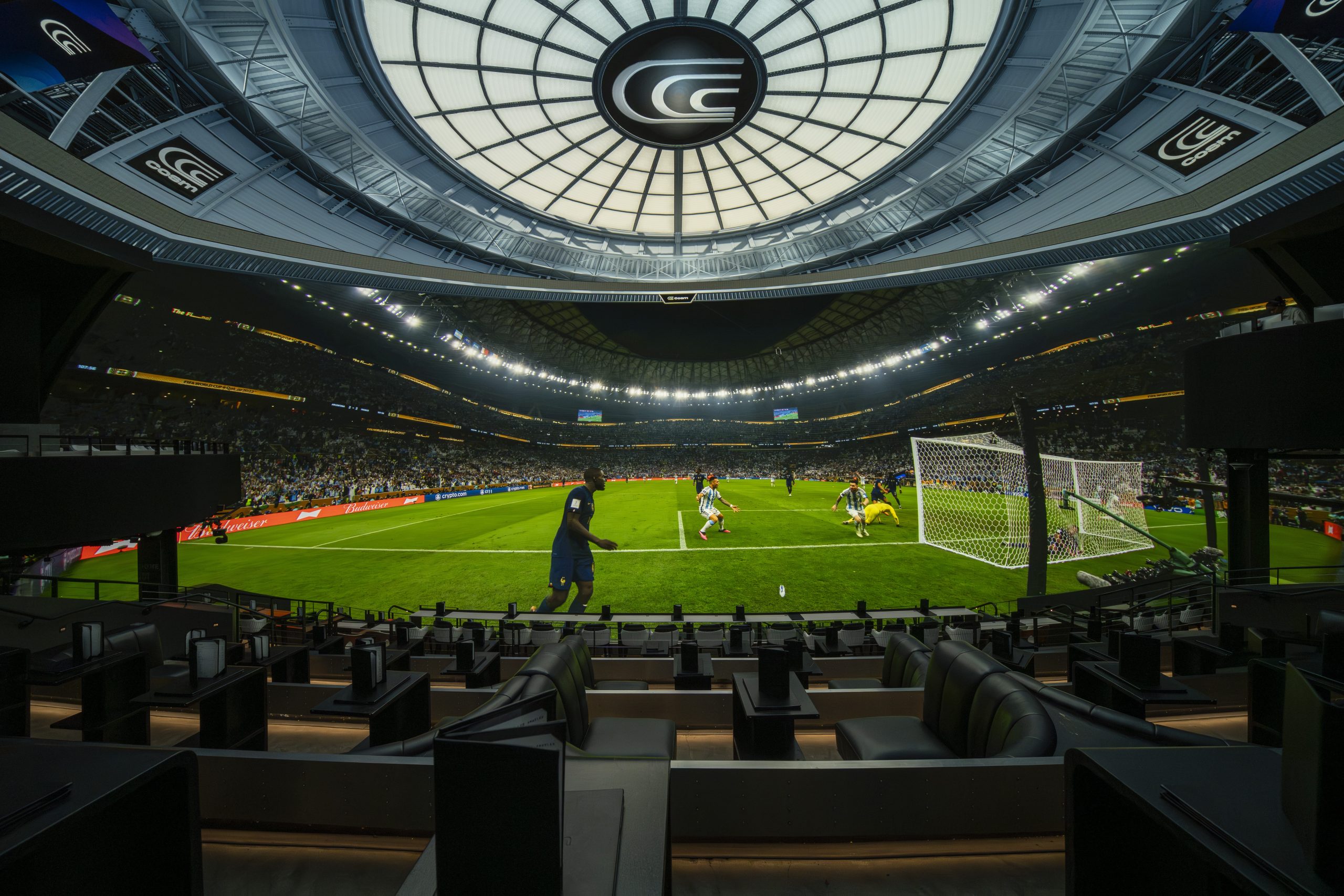
Photo: FOX Sports
A New Era of Elite Sports Consumption
Luxury sports hospitality has entered a new phase in 2026, where access to major global events is no longer defined by simple premium seating but by fully immersive lifestyle ecosystems. The introduction of an exclusive World Cup hospitality package priced at approximately 4 million signals how far the premium sports experience market has evolved.
This offering is not centered on watching a match. It is designed as a complete environment where sport, travel, privacy, entertainment, and elite networking converge into a single seamless experience.
Beyond Tickets and Into Full Scale Experiences
Traditional VIP tickets once represented the peak of sports luxury. Private suites and premium lounges defined the upper tier of event access. However, modern ultra wealthy consumers are demanding far more comprehensive experiences that extend beyond stadium walls.
The new hospitality model integrates accommodation, private transport, curated cultural experiences, and controlled access to exclusive social environments. Every detail is structured to remove friction and maximize comfort while preserving exclusivity.
Private Stadium Access and Controlled Viewing Environments
At the core of this luxury package is a highly controlled viewing experience inside and around the stadium. Guests are positioned in private viewing environments that prioritize comfort, visibility, and discretion.
Rather than shared luxury boxes, the experience often includes individually tailored seating arrangements, dedicated service teams, and restricted access zones that ensure minimal crowd interaction. The goal is to recreate the energy of live sport while maintaining total privacy.
Luxury Travel Designed Around the Tournament
The hospitality experience extends far beyond the stadium itself. Guests are offered coordinated international travel arrangements that follow the tournament schedule. This includes private aviation coordination, luxury ground transport, and pre arranged entry into host cities.
Travel routes are designed to eliminate logistical stress. Each movement between destinations is managed as part of a broader curated itinerary, ensuring continuity of comfort and exclusivity throughout the event period.
High End Accommodation as a Central Feature
Accommodation is a defining component of the overall package. Instead of standard luxury hotels, guests are placed in fully serviced private residences or ultra premium suites located in key host cities.
These living spaces are designed to function as temporary private estates, offering personalized staff, private security, wellness facilities, and entertainment zones. The emphasis is on creating a home like environment with maximum privacy and elite services.
Curated Social and Networking Environments
One of the most valuable aspects of ultra luxury sports hospitality is access to curated social environments. These settings bring together high net worth individuals, business leaders, investors, and cultural figures in controlled and highly selective spaces.
The intention is not casual interaction but structured networking opportunities that often lead to business collaborations, investment discussions, and long term relationships. Every event is designed with exclusivity and intention.
Personalized Concierge and Real Time Service Systems
The modern ultra luxury guest expects real time personalization. Dedicated concierge teams manage every aspect of the experience, from dining preferences to last minute itinerary changes.
Advanced service systems are increasingly supported by intelligent technologies that anticipate guest needs. Whether it is arranging private dining with specific culinary preferences or adjusting travel schedules instantly, the system is built around absolute responsiveness.
Luxury Dining and Cultural Immersion
Culinary experiences are a major part of the hospitality offering. Guests are provided access to private chefs, exclusive dining venues, and curated menus inspired by both local and international cuisines.
In addition to dining, cultural immersion experiences are integrated into the itinerary. These may include private museum access, behind the scenes cultural tours, and invitations to elite social gatherings within host cities.
Security and Privacy as Core Priorities
For ultra wealthy individuals, security is as important as comfort. The hospitality package includes advanced personal security arrangements, private transport protection, and controlled access environments.
Privacy is carefully maintained at every stage. From discreet entry points to restricted communication channels, the entire experience is engineered to ensure that guests can move freely without public exposure.
The Economic Impact of Ultra Luxury Sports Packages
These high value hospitality offerings are not only reshaping consumer behavior but also generating significant economic activity. Host cities benefit from increased spending in hospitality, aviation, real estate, and luxury retail sectors.
Local economies experience a temporary surge in demand driven by affluent visitors who require premium services across multiple industries. This creates a ripple effect that extends far beyond the stadium environment.
Redefining the Meaning of Sporting Prestige
The introduction of multi million level hospitality packages reflects a broader transformation in how elite audiences engage with global sports. Prestige is no longer defined solely by attendance but by the exclusivity, personalization, and scale of the experience.
As global sporting events continue to expand their commercial and cultural reach, ultra luxury offerings are becoming an essential part of the ecosystem. They represent a fusion of sport, travel, business, and lifestyle at the highest possible level.
The Future of Elite Sports Hospitality
Looking ahead, the demand for immersive luxury sports experiences is expected to grow further as wealth becomes more global and mobile. Future packages are likely to integrate even more advanced personalization, technology driven customization, and cross event global access models.
The 4 million World Cup hospitality concept is not an isolated product. It is a signal of where the entire industry is heading, toward fully curated lifestyle ecosystems built around the world’s most prestigious sporting stages.


Subscribe to unlock premium content
Sed at tellus, pharetra lacus, aenean risus non nisl ultricies commodo diam aliquet arcu enim eu leo porttitor habitasse adipiscing porttitor varius ultricies facilisis viverra lacus neque.
A comprehensive guide on Agile development

10 Productivity tools that are worth checking out
Top 7 Must have management tools for productivity

A comprehensive guide on Agile development
10 Productivity tools that are worth checking out
A comprehensive guide on Agile development