

Exclusive Members Only Clubs Expand Worldwide as Affluent Consumers Seek Private Networking Spaces
By
Maya K.
Last updated:
June 9, 2026
First Published:
June 9, 2026

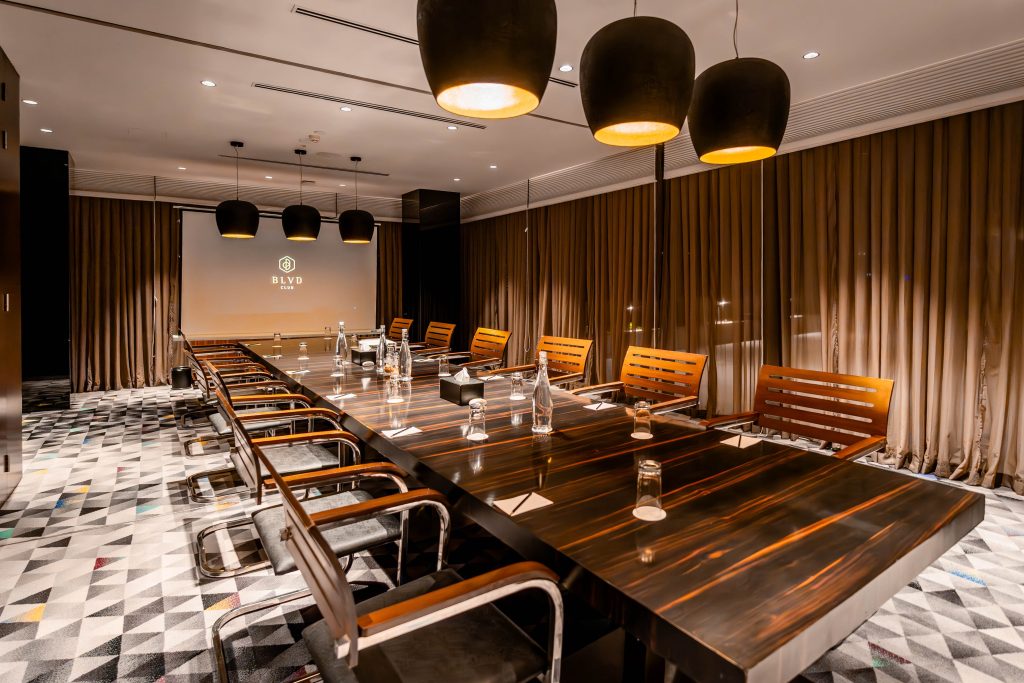
Photo: Luxebook India
A New Wave of Private Social Infrastructure
Exclusive private clubs are expanding across major global cities as wealthy individuals increasingly seek controlled environments for networking and relationship building. These spaces are no longer limited to traditional social gatherings. They are evolving into structured ecosystems where business leaders, investors, and creators interact in highly curated settings.
Rising Demand for Controlled Social Environments
Affluent consumers are placing greater value on privacy and selectivity in their social lives. Public spaces and open networking events are being replaced by invitation based environments that prioritize trust, discretion, and exclusivity. This shift reflects a broader desire for meaningful and high quality connections rather than large scale social exposure.
Expansion Across Global Wealth Centers
Private clubs are rapidly growing in cities known for high concentrations of wealth and business activity. Urban hubs with strong financial services sectors and international business communities are seeing a surge in new club openings. These locations are becoming central points for elite networking and private collaboration.
Networking as a Strategic Asset
For many high net worth individuals, networking is no longer a casual activity. It is treated as a strategic asset that directly influences business opportunities and investment access. Private clubs provide a structured environment where members can form long term professional relationships in a trusted setting.
Integration of Business and Lifestyle Spaces
Modern private clubs are blending business functionality with luxury lifestyle amenities. Members often gain access to meeting rooms, dining experiences, wellness facilities, and cultural programming within the same environment. This integration allows individuals to combine productivity with leisure in a seamless way.
Curated Membership Models
Membership selection has become increasingly rigorous. Clubs are adopting curated admission processes that evaluate professional background, influence, and social alignment. This selective approach ensures that communities remain highly compatible and focused on shared values and goals.
Influence of Global Wealth Growth
The expansion of private clubs is closely linked to the rise in global wealth creation. As more individuals reach high income and high net worth levels, demand for exclusive environments has increased. This has encouraged the development of new club concepts tailored to emerging affluent demographics.
Digital Connectivity Enhancing Private Communities
Although these clubs are physical spaces, digital platforms are enhancing member interaction. Private applications and online portals allow members to connect, share opportunities, and organize events. This hybrid model strengthens engagement beyond physical locations.
Corporate and Entrepreneurial Engagement
Entrepreneurs and corporate leaders are increasingly using private clubs as extensions of their business networks. Deal discussions, partnership formation, and informal advisory conversations often take place within these environments. This has made clubs valuable hubs for early stage opportunity discovery.
Cultural and Intellectual Programming Growth
Private clubs are also expanding their cultural offerings. Many now host curated talks, art exhibitions, and intellectual discussions featuring global experts. These programs add depth to the member experience and encourage long term engagement within the community.
Exclusivity as a Defining Value
Exclusivity remains the central principle driving the popularity of private clubs. Members are drawn to environments where access is limited and interactions are carefully curated. This sense of exclusivity enhances the perceived value of membership and strengthens community identity.
The Future of Elite Networking Spaces
As global wealth continues to grow, private clubs are expected to become even more sophisticated and internationally connected. These spaces are likely to evolve into global networks of interconnected communities, offering members access to opportunities, influence, and relationships across multiple regions.



Subscribe to unlock premium content
Sed at tellus, pharetra lacus, aenean risus non nisl ultricies commodo diam aliquet arcu enim eu leo porttitor habitasse adipiscing porttitor varius ultricies facilisis viverra lacus neque.
A comprehensive guide on Agile development

10 Productivity tools that are worth checking out
Top 7 Must have management tools for productivity

A comprehensive guide on Agile development
10 Productivity tools that are worth checking out
A comprehensive guide on Agile development