

The Next Generation of Wealth Takes Control as Trillions in Luxury Property Change Hands
By
Sophie Moore
Last updated:
June 9, 2026
First Published:
June 9, 2026


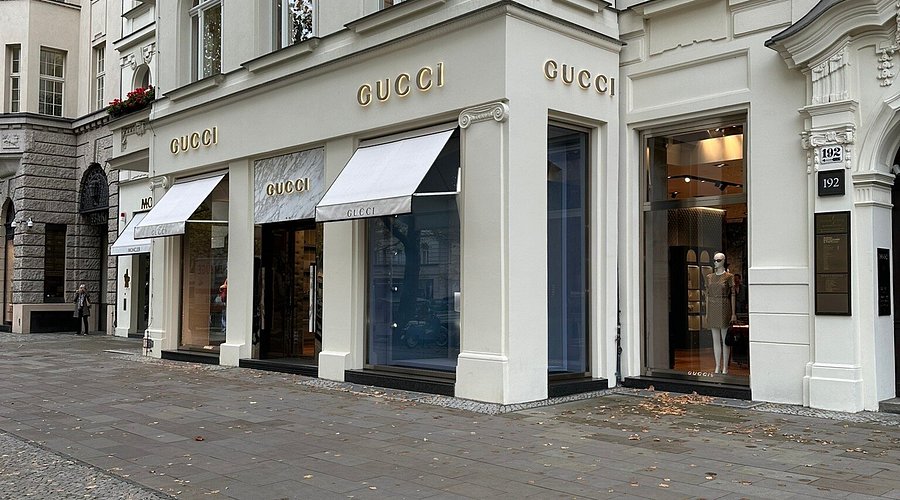
Photo: Haute Living
A Major Generational Shift in Global Wealth
The global wealth landscape is undergoing a major transformation as significant portions of luxury property holdings begin transferring from older generations to younger heirs. This shift is not only changing ownership structures but also redefining how high value real estate is managed, used, and expanded across international markets.
Rising Influence of Younger Wealth Holders
Younger inheritors are taking a more active role in managing large property portfolios. Unlike traditional approaches that focused primarily on preservation, the new generation is showing greater interest in optimization, modernization, and strategic expansion. This shift is influencing renovation patterns, property usage, and investment decisions.
Global Scale of Wealth Transfer
The scale of intergenerational wealth transfer in luxury real estate is substantial, involving high value residential properties, vacation estates, and prime urban holdings across multiple continents. As assets move between generations, ownership structures are becoming more diversified and globally distributed.
Changing Preferences in Property Use
New wealth holders are redefining how luxury properties are utilized. Many are converting legacy estates into multifunctional spaces that combine private living, hospitality, wellness, and work environments. This reflects a broader lifestyle shift toward flexibility and hybrid property usage.
Increased Professional Management of Estates
There is a growing trend toward professional management of private real estate portfolios. Family offices and dedicated asset managers are increasingly involved in overseeing maintenance, leasing strategies, and long term property optimization for affluent families.
Technology Driven Real Estate Management
Digital tools and property management platforms are becoming essential in overseeing complex real estate portfolios. From remote monitoring systems to AI assisted valuation tools, technology is enabling more efficient decision making and better asset tracking across global holdings.
Diversification Across Global Markets
Younger wealth holders are expanding property portfolios into multiple international markets. This diversification strategy reduces geographic risk while increasing exposure to emerging luxury destinations. It also reflects a more global mindset compared to previous generations.
Luxury Property as a Lifestyle Asset
For the next generation of wealthy individuals, luxury real estate is increasingly viewed as a lifestyle asset rather than a purely financial holding. Properties are selected based on lifestyle integration, design quality, and experiential value rather than just location prestige.
Sustainability and Modern Design Priorities
Environmental considerations are playing a larger role in property decisions. Energy efficient designs, sustainable materials, and eco conscious developments are becoming more attractive to younger buyers who prioritize long term environmental responsibility alongside luxury living.
Influence of Global Mobility
High mobility lifestyles are influencing how inherited properties are used. Many younger owners split time across multiple residences, leading to more dynamic usage patterns. Properties are often designed or renovated to support short term stays and high flexibility living.
Expansion of Luxury Development Opportunities
As ownership changes hands, developers are identifying new opportunities to redevelop or reposition luxury properties. This includes modernization projects, redevelopment of legacy estates, and integration of smart home technologies into older properties.
Long Term Outlook for Luxury Real Estate Transition
The ongoing generational wealth transfer is expected to continue shaping luxury real estate markets for decades. As younger owners become more influential, their preferences will redefine design standards, investment strategies, and global property trends in the luxury segment.



Subscribe to unlock premium content
Sed at tellus, pharetra lacus, aenean risus non nisl ultricies commodo diam aliquet arcu enim eu leo porttitor habitasse adipiscing porttitor varius ultricies facilisis viverra lacus neque.
A comprehensive guide on Agile development

10 Productivity tools that are worth checking out

Top 7 Must have management tools for productivity

A comprehensive guide on Agile development
10 Productivity tools that are worth checking out
A comprehensive guide on Agile development