
Luxury Travel Enters a New Era as Wealthy Families Expand Global Lifestyle Portfolios
By
John Carter
Last updated:
June 9, 2026
First Published:
June 9, 2026

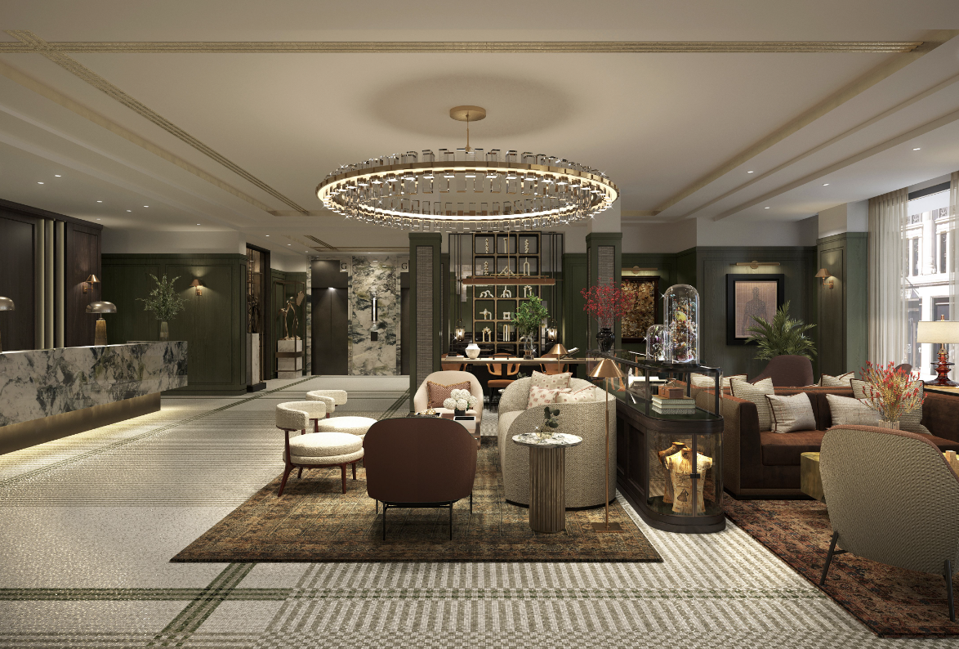
Photo: Forbes
The Transformation of Luxury Travel Behavior
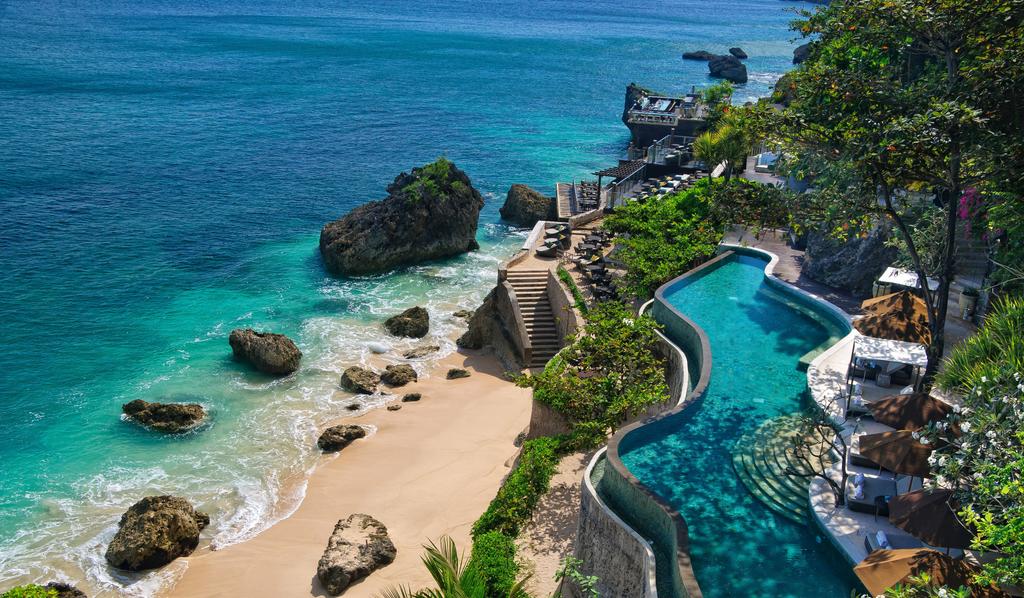
Luxury travel in 2026 is no longer defined by isolated vacations. Wealthy families are adopting a continuous travel lifestyle that integrates multiple destinations into their yearly routines. Instead of single trips, they are building structured travel portfolios that combine leisure, business, wellness, and cultural exploration across different regions.
Rise of Multi Destination Living
A growing number of affluent households are no longer tied to one primary residence. They are spending extended periods across several countries, rotating between private villas, branded residences, and luxury serviced apartments. This shift reflects a broader desire for flexibility and global presence rather than fixed location living.
Private Aviation Becomes Central to Mobility
Private aviation is playing a major role in this new travel era. High net worth individuals are increasingly relying on private aircraft to maintain control over schedules, privacy, and comfort. The ability to travel on demand between continents has become a core part of modern luxury lifestyle planning.
Experiential Wealth Over Material Ownership
Wealthy travelers are placing greater emphasis on experiences rather than physical possessions. Exclusive cultural events, private museum access, curated culinary journeys, and remote destination retreats are becoming more valuable than traditional luxury goods. This reflects a shift toward experience driven wealth consumption.
Expansion of Luxury Hospitality Ecosystems
Luxury hospitality brands are evolving into full service lifestyle ecosystems. Hotels and resort groups are offering private residences, membership programs, and long stay luxury solutions that allow guests to move seamlessly between global properties. This creates continuity in service and personalization across destinations.
Wellness Driven Travel Growth
Wellness focused travel has become a central priority for affluent families. Retreats centered on health optimization, longevity programs, and mental well being are experiencing significant demand. Travelers are increasingly seeking destinations that combine relaxation with advanced wellness services.
Digital Nomad Style Wealth Living
A new category of wealthy individuals is embracing location independent lifestyles. Entrepreneurs and investors are structuring their businesses in ways that allow them to work remotely while traveling across global hubs. This has created a hybrid model between leisure and professional mobility.
Rise of Private and Exclusive Access Travel
Exclusivity has become a defining feature of luxury travel. Wealthy families are seeking access to private islands, invitation only resorts, and closed cultural experiences. These offerings provide privacy and personalization that cannot be found in mainstream luxury tourism.
Influence of Global Wealth Expansion
The growth of global wealth is directly fueling the expansion of luxury travel. As more individuals enter the high net worth category, demand for premium travel services continues to rise. This has encouraged travel providers to innovate and expand offerings tailored to elite clients.
Sustainability Expectations Among Elite Travelers
Environmental awareness is becoming more prominent among affluent travelers. Many wealthy families are now prioritizing sustainability in their travel choices, including carbon conscious aviation options and eco integrated luxury resorts. This reflects a gradual alignment between luxury consumption and environmental responsibility.
Future Outlook for Luxury Travel Portfolios
Luxury travel is expected to become even more structured and investment like in nature. Wealthy families are likely to continue building global lifestyle portfolios that integrate travel, residence, and experience into a unified system. This evolution signals a long term transformation in how global affluence defines mobility and leisure.

Subscribe to unlock premium content
Sed at tellus, pharetra lacus, aenean risus non nisl ultricies commodo diam aliquet arcu enim eu leo porttitor habitasse adipiscing porttitor varius ultricies facilisis viverra lacus neque.
A comprehensive guide on Agile development

10 Productivity tools that are worth checking out

Top 7 Must have management tools for productivity

A comprehensive guide on Agile development
10 Productivity tools that are worth checking out
A comprehensive guide on Agile development