

Hotspots for the Super Rich Revealed as Luxury Housing Markets Prepare for Record Demand
By
Sophie Moore
Last updated:
June 9, 2026
First Published:
June 9, 2026

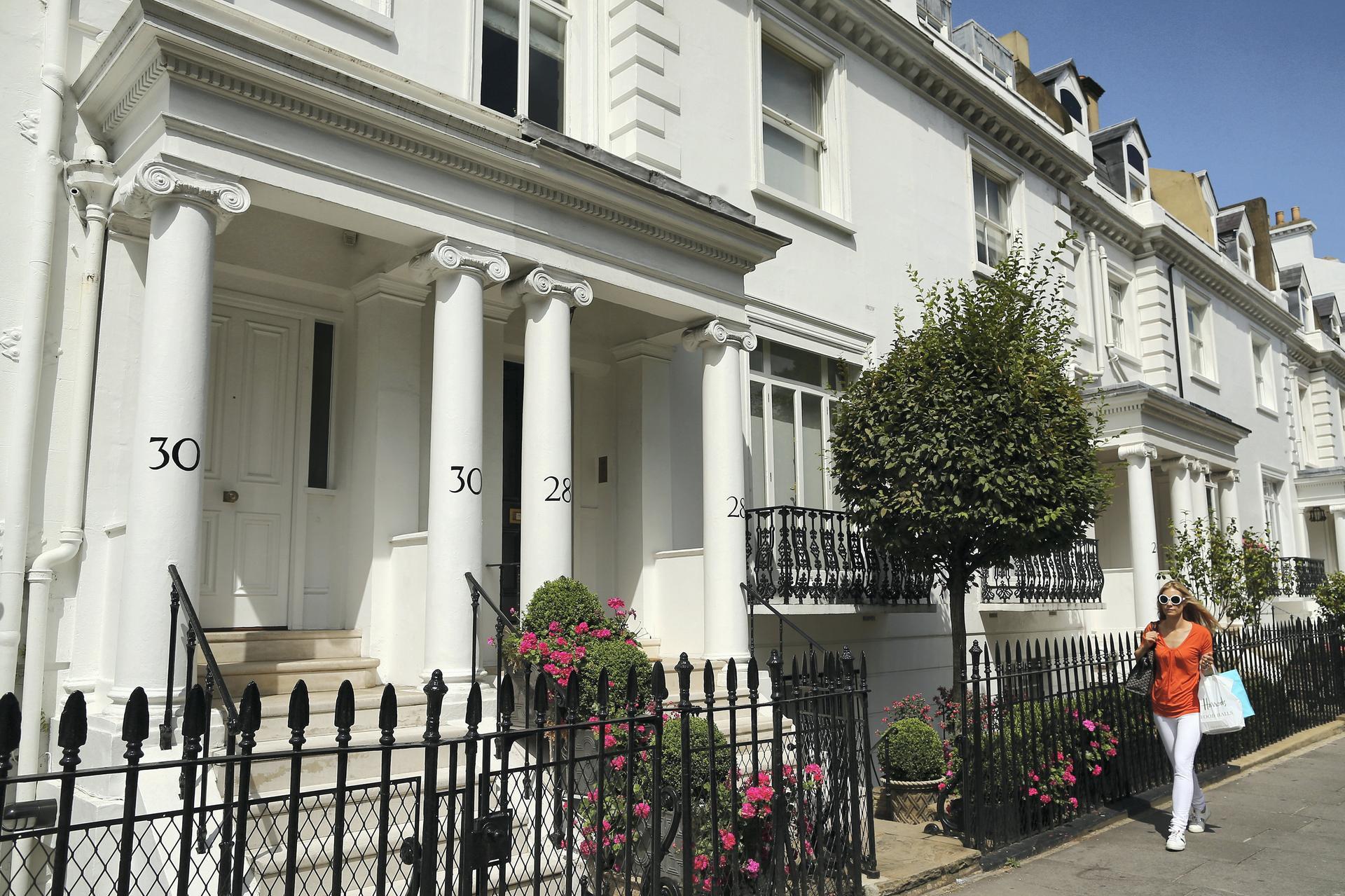
Photo: The National News
A Redrawing of Global Luxury Real Estate Demand
Luxury housing markets are entering a phase of intensified demand as global wealth continues to concentrate in select high performing cities and exclusive enclaves. In 2026, the geography of ultra prime real estate is being reshaped by mobility, tax considerations, lifestyle priorities, and geopolitical stability.
Emergence of New Global Wealth Hotspots
Beyond traditional luxury capitals, new destinations are gaining prominence among ultra wealthy buyers. Cities and coastal regions offering political stability, strong infrastructure, and high quality living standards are increasingly attracting high net worth individuals seeking long term residences.
Traditional Luxury Markets Maintain Strong Dominance
Established markets such as London, New York, Dubai, Singapore, and Hong Kong continue to hold strong positions in global luxury housing. These cities benefit from deep financial ecosystems, international connectivity, and longstanding prestige that sustains demand across economic cycles.
Lifestyle Driven Relocation Patterns
Relocation decisions among the ultra rich are increasingly influenced by lifestyle considerations. Access to private education, healthcare quality, climate conditions, and cultural offerings all play significant roles in determining where affluent individuals choose to reside.
Tax Optimization and Wealth Preservation Factors
Tax efficiency remains a major factor influencing luxury housing demand. High net worth individuals often evaluate jurisdictions based on long term wealth preservation strategies, leading to increased movement toward regions with favorable tax structures and investor friendly policies.
Rise of Ultra Secure Residential Communities
Security has become a defining feature of luxury housing demand. Gated communities, private estates, and fully managed residential compounds are experiencing strong interest due to their enhanced privacy, surveillance systems, and controlled access environments.
The Role of Global Mobility in Housing Choices
The ability to move freely between multiple residences is shaping how luxury properties are purchased and used. Many wealthy families now maintain portfolios of homes across different continents, enabling seasonal living and flexible global mobility.
Institutional Investment in Prime Residential Assets
Institutional investors and private wealth groups are increasingly active in acquiring luxury residential properties. Their participation is contributing to higher price stability and reinforcing demand in top tier real estate segments.
Limited Supply in Ultra Prime Segments
Supply constraints remain a critical factor driving competition in luxury housing markets. Strict zoning regulations, geographic limitations, and scarcity of prime land ensure that ultra high end properties remain limited in availability, intensifying buyer competition.
Influence of Global Economic Uncertainty
Periods of economic uncertainty often strengthen demand for tangible assets such as luxury real estate. High net worth individuals tend to allocate more capital toward property during volatile cycles, reinforcing demand in stable and prestigious markets.
Expansion of Branded Residences and Luxury Developments
Branded residential projects are expanding rapidly as luxury developers partner with global hospitality and lifestyle brands. These developments offer hotel level services combined with private ownership, appealing strongly to international buyers seeking convenience and prestige.
Future Outlook for Ultra Prime Housing Markets
The outlook for luxury housing remains highly positive as global wealth continues to expand and diversify. With increasing demand from mobile, globally minded investors, ultra prime markets are expected to remain highly competitive, with strong price resilience and sustained long term interest.



Subscribe to unlock premium content
Sed at tellus, pharetra lacus, aenean risus non nisl ultricies commodo diam aliquet arcu enim eu leo porttitor habitasse adipiscing porttitor varius ultricies facilisis viverra lacus neque.
A comprehensive guide on Agile development

10 Productivity tools that are worth checking out

Top 7 Must have management tools for productivity

A comprehensive guide on Agile development
10 Productivity tools that are worth checking out
A comprehensive guide on Agile development