
Ultra Rich Investors Rush Into Prime Real Estate as Global Wealth Migration Accelerates in 2026
By
Maya K.
Last updated:
June 11, 2026
First Published:
June 11, 2026

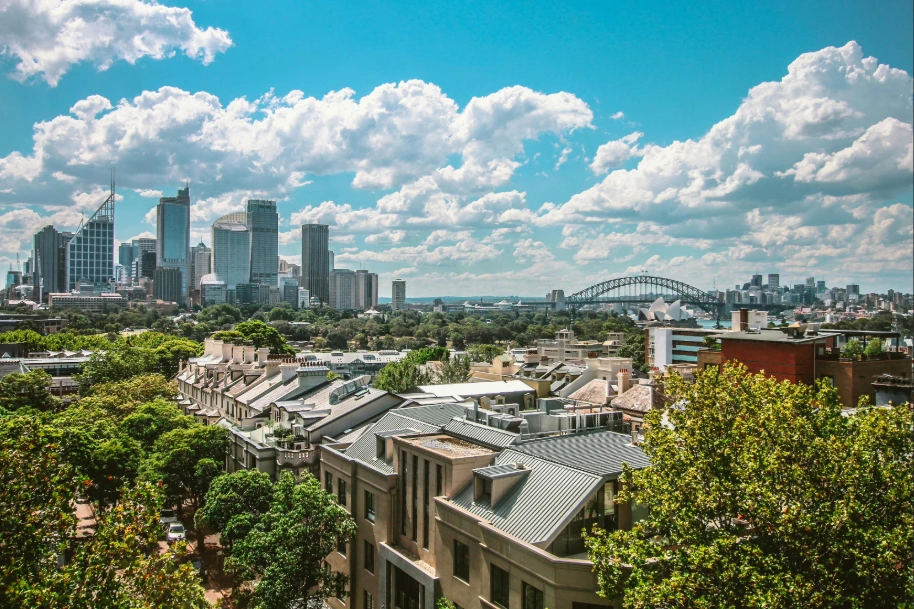
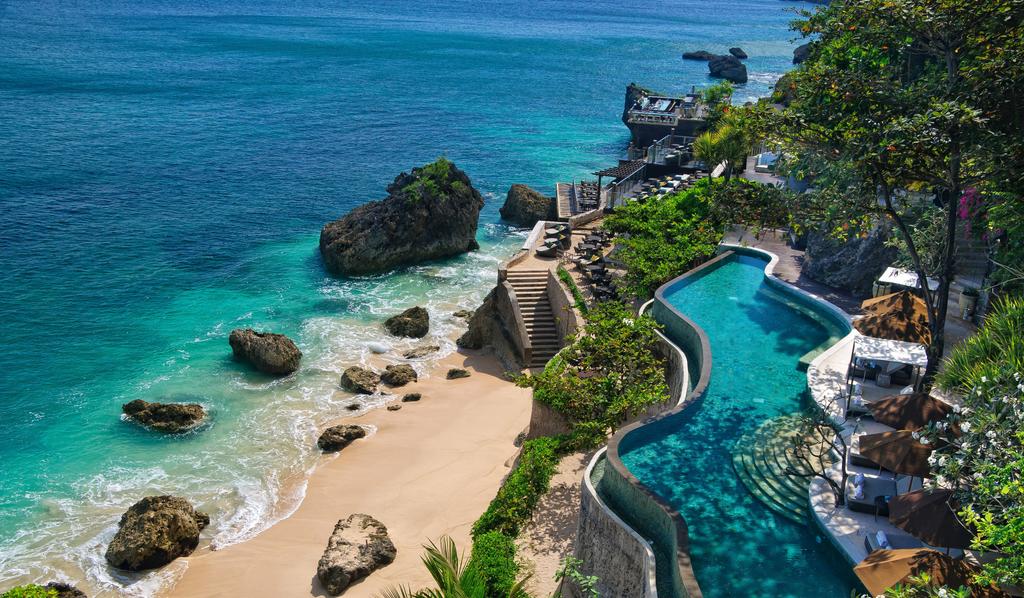
Photo: The Super Prime
A Global Movement of Wealth Takes Shape
The international real estate market is witnessing a remarkable transformation as ultra wealthy individuals continue relocating assets, businesses, and personal residences across borders. Throughout 2026, global wealth migration has become one of the defining trends influencing luxury property markets. Investors with substantial fortunes are increasingly seeking prime real estate in destinations that offer economic stability, attractive tax environments, strong legal protections, and exceptional quality of life.
This movement is not simply about acquiring additional homes. It represents a broader shift in how wealthy individuals view residency, citizenship, and long term wealth preservation. As global uncertainty continues to influence investment decisions, luxury real estate is emerging as one of the most trusted stores of value for affluent families around the world.
Prime Real Estate Remains a Preferred Wealth Asset
Despite the growth of alternative investments, many high net worth individuals continue to view premium real estate as a cornerstone of wealth management. Luxury properties offer a combination of financial security, lifestyle benefits, and prestige that few other assets can match.
Prime residences in globally recognized cities continue attracting buyers who are looking for both personal enjoyment and long term appreciation. Wealthy investors often consider luxury real estate a tangible asset that provides stability during periods of market volatility.
As wealth migration accelerates, competition for elite properties has intensified in several key markets. Buyers are willing to move quickly when premium opportunities become available, particularly in locations known for strong demand and limited inventory.
Lifestyle Factors Influence Buying Decisions
Modern wealth migration is being driven by more than financial considerations. Lifestyle priorities now play a central role in determining where affluent individuals choose to live and invest.
Many wealthy families are prioritizing access to world class healthcare, prestigious educational institutions, personal safety, environmental quality, and cultural experiences. These factors are influencing purchasing decisions just as much as investment potential.
Luxury properties are increasingly viewed as lifestyle assets that support personal wellbeing and family objectives. Buyers are looking for destinations that provide both financial advantages and a superior standard of living.
Demand Grows for Multiple Residences
One of the most notable trends in 2026 is the rise of the multi residence lifestyle. Wealthy individuals are no longer relying on a single primary home. Instead, many are building global property portfolios that allow them to live and work across multiple regions throughout the year.
A family may maintain a city residence for business activities, a coastal property for leisure, and an international home that provides access to another market or jurisdiction. This approach offers flexibility while diversifying lifestyle and investment opportunities.
As a result, luxury developers are creating properties designed specifically for globally mobile buyers who value convenience, security, and seamless international living.
Luxury Developments Continue to Evolve
Developers are adapting rapidly to changing buyer expectations. Modern luxury properties now offer far more than spacious interiors and prestigious addresses. High end buyers increasingly expect advanced technology, wellness amenities, private workspaces, and comprehensive lifestyle services.
Many new developments include private health facilities, concierge services, secure transportation arrangements, and dedicated business environments. These features appeal to wealthy individuals who require both comfort and productivity regardless of where they are located.
The integration of technology has become especially important. Smart home systems, advanced security solutions, and personalized automation are now considered essential components of premium real estate offerings.
Wealth Migration Creates New Property Hotspots
While traditional luxury markets remain strong, wealth migration is also creating opportunities in emerging destinations. Affluent investors are exploring locations that offer attractive residency programs, business friendly environments, and exceptional lifestyle benefits.
These emerging markets are attracting attention from investors who seek alternatives to overcrowded and increasingly expensive traditional luxury hubs. As demand grows, property values in select destinations are experiencing significant appreciation.
Developers and governments are recognizing this opportunity and are actively working to attract international wealth through infrastructure improvements, investment incentives, and luxury development projects.
Family Wealth Preservation Drives Investment
For many ultra wealthy investors, real estate acquisition is closely connected to long term family planning. Luxury properties are often viewed as assets that can be passed from one generation to the next while preserving wealth and creating lasting family legacies.
Prime real estate offers a level of permanence that appeals to families focused on long term stability. Unlike many financial assets that fluctuate significantly in value, exceptional properties often retain strong demand across economic cycles.
This perspective is encouraging wealthy families to acquire landmark residences and trophy assets that hold both financial and emotional significance.
Private Communities Gain Popularity
Exclusive residential communities are becoming increasingly attractive to wealthy buyers. Privacy, security, and access to like minded neighbors are major considerations influencing purchasing decisions.
Many affluent individuals are seeking environments where they can enjoy discretion while benefiting from premium services and amenities. Gated communities, private clubs, and luxury residential compounds continue attracting strong interest.
These developments often provide residents with a comprehensive lifestyle experience that extends beyond traditional home ownership. The result is a growing demand for communities that function almost as self contained luxury ecosystems.
Economic Impact Spreads Across Multiple Industries
The surge in luxury property investment is generating economic benefits that extend well beyond the real estate sector. Construction firms, architects, interior designers, hospitality providers, legal advisors, and wealth management professionals are all benefiting from increased activity.
As wealthy individuals establish residences in new markets, they contribute to local economies through spending, business investments, and job creation. In many regions, luxury real estate development has become a significant economic growth driver.
This interconnected impact demonstrates how wealth migration influences a wide range of industries while reshaping urban development patterns around the world.
Governments Compete for Global Wealth
Recognizing the economic value of attracting affluent residents, governments are increasingly introducing policies designed to appeal to international investors. Residency programs, tax incentives, infrastructure investments, and business friendly regulations are becoming important tools in the competition for global wealth.
Countries that successfully attract high net worth individuals often benefit from increased investment, entrepreneurship, and economic activity. As a result, wealth migration is becoming a strategic consideration for policymakers seeking long term growth.
This competition is likely to intensify as more nations recognize the advantages associated with attracting globally mobile capital.
The Future of Luxury Real Estate
The forces driving wealth migration show little sign of slowing. Technological advances, remote work capabilities, global business opportunities, and changing lifestyle preferences are all contributing to increased mobility among affluent individuals.
Luxury real estate will remain a critical component of wealth management strategies as investors seek stability, flexibility, and lifestyle enhancement. The most desirable properties will continue attracting attention from buyers who view premium real estate as both a financial asset and a personal sanctuary.
As global wealth becomes increasingly mobile, the luxury property market is entering a new era defined by international connectivity, lifestyle optimization, and strategic investment.
A New Geography of Wealth Emerges
The acceleration of wealth migration in 2026 is creating a new map of global prosperity. Capital is flowing toward destinations that combine opportunity, security, and quality of life. Luxury real estate stands at the center of this transformation.
For investors, property developers, and luxury brands alike, understanding these evolving patterns will be essential. The movement of wealth across borders is reshaping markets, creating opportunities, and redefining what it means to live a truly global lifestyle in the modern age.


Subscribe to unlock premium content
Sed at tellus, pharetra lacus, aenean risus non nisl ultricies commodo diam aliquet arcu enim eu leo porttitor habitasse adipiscing porttitor varius ultricies facilisis viverra lacus neque.
A comprehensive guide on Agile development

10 Productivity tools that are worth checking out

Top 7 Must have management tools for productivity

A comprehensive guide on Agile development
10 Productivity tools that are worth checking out
A comprehensive guide on Agile development